
-
Poppy Seeds - Iceland
Regular price $5.95 CADRegular priceUnit price per -
Poppy Seeds - Black Swan
Regular price $4.95 CADRegular priceUnit price per -
Poppy Seeds - Peony Lavender Purple
Regular price $5.95 CADRegular priceUnit price per -
Poppy Seeds - Peony Black
Regular price $5.95 CADRegular priceUnit price per -
Poppy Seeds - Amazing Grey
Regular price $5.95 CADRegular priceUnit price per -
Poppy Seeds - Shirley Double
Regular price $5.95 CADRegular priceUnit price per -
Poppy Seeds - California Ballerina Mix
Regular price $4.95 CADRegular priceUnit price per -
Poppy Seeds - Pandora
Regular price $5.95 CADRegular priceUnit price per -

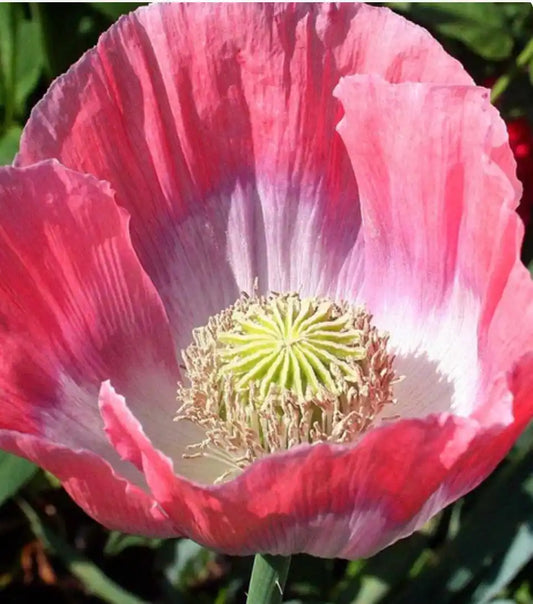 Returning Soon!
Poppy Seeds - Giganthemum
Regular price $5.95 CADRegular priceUnit price per -
Poppy Seeds - Bridal Silk White
Regular price $5.95 CADRegular priceUnit price per -
Poppy Seeds - Mother of Pearl
Regular price $5.95 CADRegular priceUnit price per -
Poppy Seeds - California XL Jelly Beans
Regular price $6.95 CADRegular priceUnit price per -
Poppy Seeds - Peony Frosted Salmon
Regular price $5.95 CADRegular priceUnit price per -
Poppy Seeds - Hungarian Blue
Regular price $3.95 CADRegular priceUnit price per -
Poppy Seeds - Rose Feathers
Regular price $5.95 CADRegular priceUnit price per -
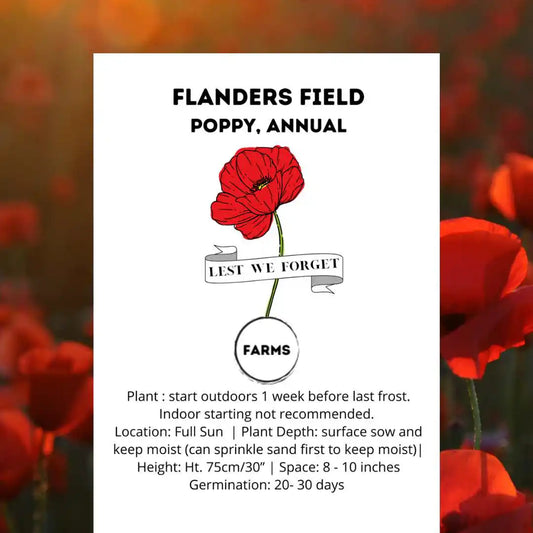
Poppy Seeds - Red Flanders Fields Fundraiser
Regular price $5.95 CADRegular priceUnit price per -
Poppy Seeds - Pizzicato
Regular price $7.95 CADRegular priceUnit price per -
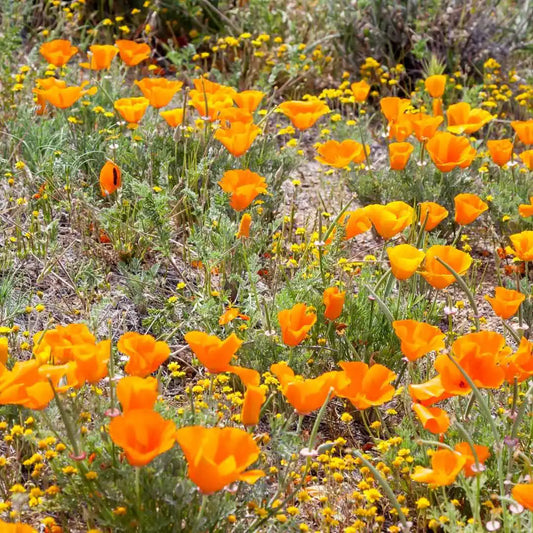
Poppy Seeds - California Orange
Regular price $3.95 CADRegular priceUnit price per -
Poppy Seeds - Iceland Champagne Bubbles Mix
Regular price $8.95 CADRegular priceUnit price per -
Poppy Seeds - California Thai Silk Pink Champagne
Regular price $5.95 CADRegular priceUnit price per -
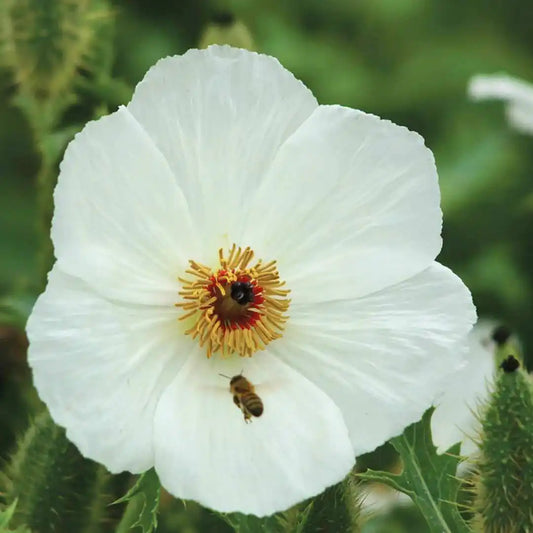
Poppy Seeds - Prickly White
Regular price $4.95 CADRegular priceUnit price per

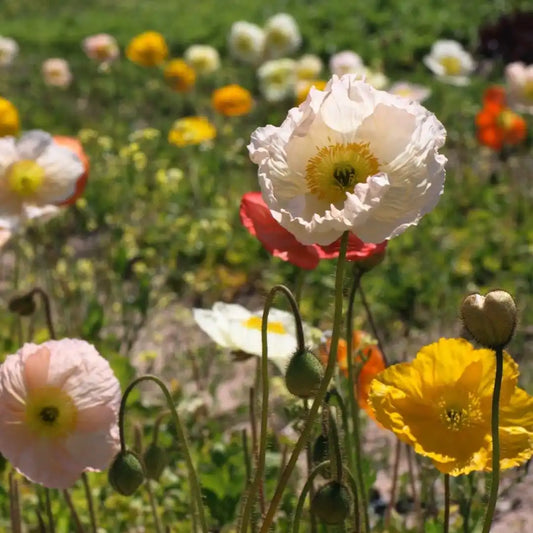


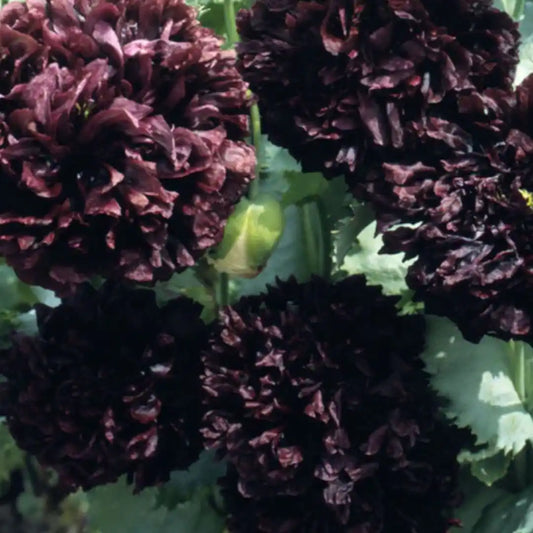


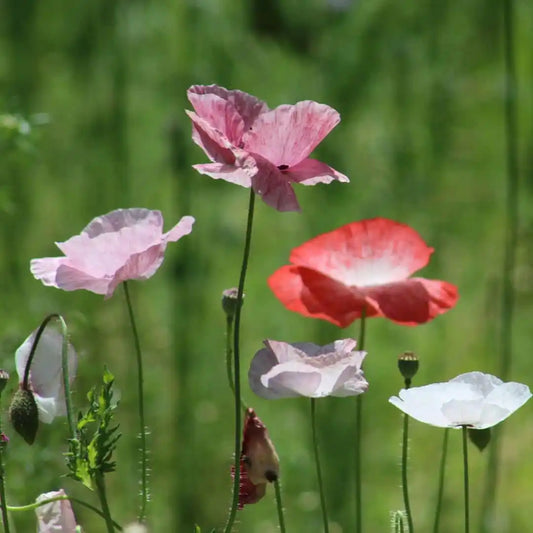













Collection: Poppy Seeds
Poppy Seeds for Colourful, Easy-Growing Flowers
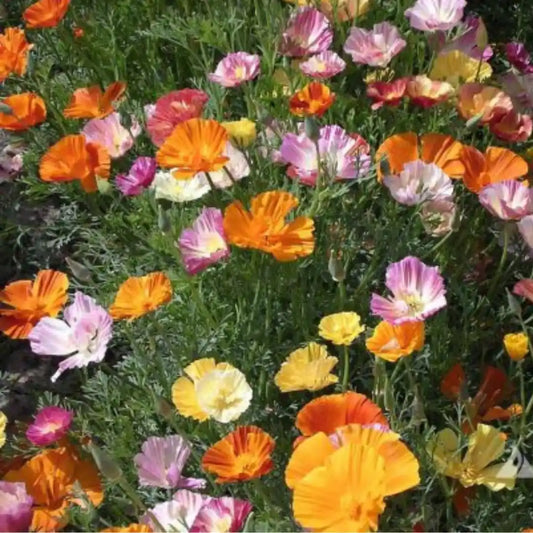
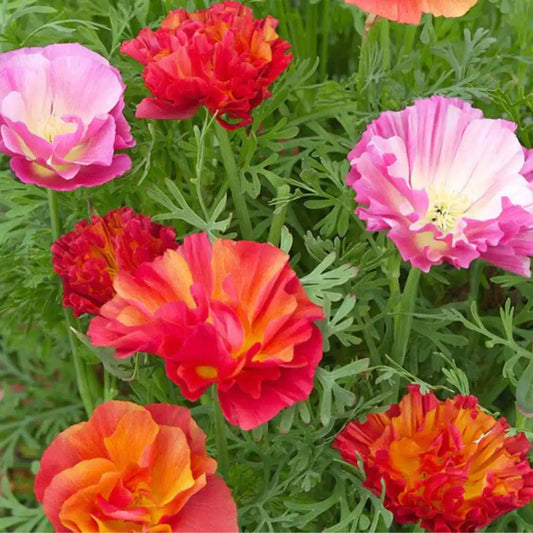
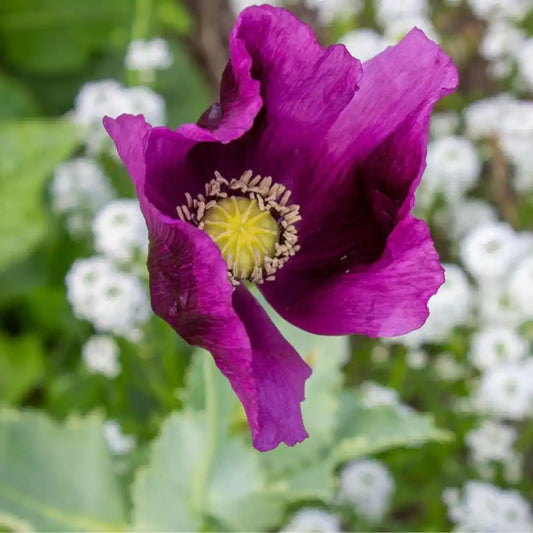
Poppies are loved for their delicate petals, distinctive seed pods and wide range of colours, from classic red and white to soft pastels, lavender, pink, peach, grey and nearly black. Many poppy varieties are well suited to direct sowing and can create beautiful displays in cottage gardens, wildflower plantings, borders and cut-flower beds.
Growing poppies from seed is often the best way to establish them because many varieties prefer minimal root disturbance. Their seeds are tiny, so they are usually sown close to the soil surface and kept evenly moist until germination.
Browse the poppy seeds below, or explore our full flower seed collection for more annual and perennial flowers for Canadian gardens.
Poppy Growing Information
| Growing Detail | General Information |
|---|---|
| Common Name | Poppy |
| Plant Type | Annual, biennial or perennial depending on species |
| Sun | Full sun |
| Sowing Method | Usually direct sow outdoors |
| Seed Depth | Surface sow or cover very lightly, depending on species |
| Germination | Approximately 7–21 days under suitable conditions |
| Bloom Period | Late spring through summer, depending on variety and sowing time |
| Best Uses | Cottage gardens, borders, wildflower gardens, cut flowers and dried seed pods |
Why Grow Poppies From Seed?
Poppies are especially well suited to growing from seed because many types develop a taproot and do not enjoy being transplanted once established. Direct sowing allows seedlings to grow where they will mature without unnecessary root disturbance.
They are also a strong choice for gardeners who want high visual impact without complicated maintenance. Once established, many varieties flower freely and can create an informal, natural-looking display.
For more varieties that are suitable for direct sowing, explore our flowers to direct seed collection.
Choosing Poppy Seeds
Poppies come in many different forms, colours and growth habits. Some varieties are grown primarily for delicate single flowers, while others produce dramatic double blooms or distinctive seed pods for dried arrangements.
| Garden Goal | Poppy Type | Example Variety |
|---|---|---|
| Soft neutral tones | Pastel annual poppy | Amazing Grey Poppy |
| Dark dramatic flowers | Dark double poppy | Black Swan Poppy |
| Classic red flowers | Field poppy | Flanders Fields Poppy |
| Soft mixed colours | Iceland poppy | Champagne Bubbles Iceland Poppy |
| Large double blooms | Peony-style poppy | Peony Poppy Seeds |
How to Grow Poppies From Seed
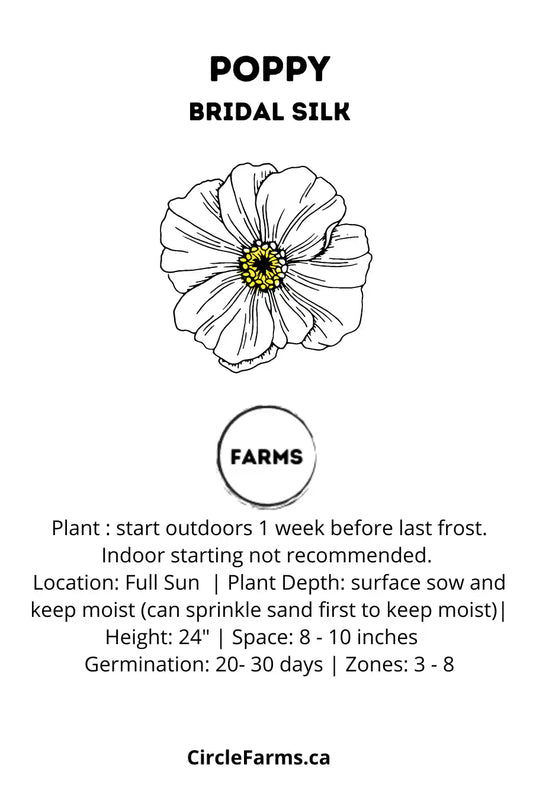
Poppy seeds are very small and should generally be sown on the soil surface or covered only very lightly. Prepare a fine, weed-free seedbed and scatter the seeds evenly over the area.
Press the seeds gently into the soil so they have good contact without being buried too deeply. Keep the surface lightly and consistently moist while germination occurs.
Once seedlings appear, thin them carefully to reduce crowding and improve airflow. Because many poppies dislike root disturbance, thinning is usually preferable to moving established seedlings.
If you are new to starting tiny seeds, our guide to seed germination, temperature, light and timing explains the main environmental factors that affect germination.
When to Plant Poppy Seeds in Canada
Poppies generally prefer cooler growing conditions and can often be sown earlier than many heat-loving summer flowers. Depending on the variety and region, seeds may be planted in early spring or, for some types, in fall for natural cold exposure.
| Planting Method | General Timing |
|---|---|
| Early Spring Sowing | As soon as soil can be worked |
| Fall Sowing | Suitable for some species in regions where winter conditions provide natural cold exposure |
| Succession Sowing | Additional small sowings can help extend the bloom period |
For more flowers that can benefit from cool-season or fall sowing, read our guide to flower seeds to plant in fall for spring germination in Canada.
Do Poppy Seeds Need Cold Stratification?
Cold requirements vary between poppy species. Some poppies germinate readily after spring sowing, while others benefit from a period of cool, moist conditions before temperatures rise.
Fall sowing can provide natural cold exposure in suitable climates. Gardeners should always check the requirements of the specific poppy variety they are growing rather than assuming every type needs the same treatment.
If you are specifically looking for flowers and perennials suited to outdoor cold exposure, explore our direct-seeding perennial seeds.
Annual vs. Perennial Poppies
The word “poppy” describes several different species, and they do not all behave the same way in the garden.
| Type | Growth Habit | Typical Use |
|---|---|---|
| Annual Poppies | Complete their life cycle in one growing season | Cut flowers, cottage gardens and mass plantings |
| Biennial / Short-Lived Types | May flower after a period of cool growth | Naturalized garden areas and borders |
| Perennial Poppies | Return for multiple growing seasons where hardy | Permanent flower beds and perennial gardens |
For more plants that return over multiple seasons, browse our perennial plant seeds.
Poppies for Cut Flowers
Poppies can make striking cut flowers, especially varieties bred for long stems and unusual colours. Their delicate petals and distinctive forms add movement and contrast to bouquets.
Harvest flowers at the appropriate stage for the variety, typically before blooms become fully mature. Poppy stems may have a shorter vase life than some traditional cut flowers, but their visual impact makes them popular in seasonal arrangements.
For additional cut-flower varieties, combine poppies with selections from our zinnia seeds, snapdragon seeds and filler flower seeds.
Poppy Seed Pods for Dried Arrangements
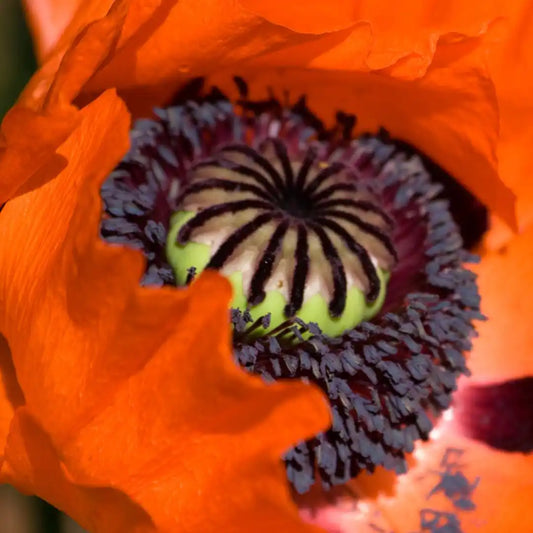
One of the unique features of poppies is the decorative seed pod that develops after flowering. Once mature and dry, these pods can be used in dried bouquets and floral arrangements.
If you want seed pods for decorative use, allow selected flowers to remain on the plant after blooming instead of deadheading every stem. Leave the pods to mature and dry naturally before harvesting.
Gardeners interested in dried flowers may also enjoy our strawflower seed collection, which includes varieties specifically valued for dried arrangements.
Can Poppies Self-Seed?
Many poppies can self-seed when mature seed pods are left in the garden. Seeds may fall naturally onto the soil and germinate when conditions become favourable.
This can create an informal, naturalized display over time. Gardeners who want more control over where poppies grow can remove seed pods before they fully mature.
Poppy Seed FAQs
Are poppies easy to grow from seed?
Yes. Many poppies are relatively easy to grow when they are direct sown into prepared soil and kept evenly moist during germination. Their small seeds should not be planted too deeply.
When should I plant poppy seeds in Canada?
Many poppies can be planted in early spring as soon as the soil is workable. Some varieties can also be sown in fall so winter conditions provide natural cold exposure.
How deep should poppy seeds be planted?
Poppy seeds are very small and are generally surface sown or covered with only a very thin layer of soil. Deep planting can reduce germination.
How long do poppy seeds take to germinate?
Poppy seeds commonly germinate in approximately 7 to 21 days, although timing varies by species, soil temperature and growing conditions.
Do poppy seeds need light to germinate?
Many poppy varieties germinate best when seeds are sown close to the soil surface rather than buried deeply, allowing them exposure to light and suitable temperature conditions.
Should poppies be started indoors?
Direct sowing is usually preferred because many poppies develop sensitive root systems and do not respond well to transplanting. If a specific variety is started indoors, root disturbance should be minimized.
Do poppies come back every year?
It depends on the species. Some poppies are annuals, some are biennial or short-lived, and others are perennial. Annual poppies may also appear again through self-seeding.
Can poppies grow in containers?
Yes, many poppies can grow in containers if the pot is deep enough, drains well and receives plenty of sunlight. Direct sowing into the final container can help avoid transplant shock.
Are poppies good for pollinators?
Poppy flowers can attract bees and other pollinating insects while they are in bloom, especially when grown as part of a diverse flower garden.
Can poppy seed pods be dried?
Yes. Mature poppy seed pods can be allowed to dry on the plant and then harvested for dried arrangements or decorative use.

