
-
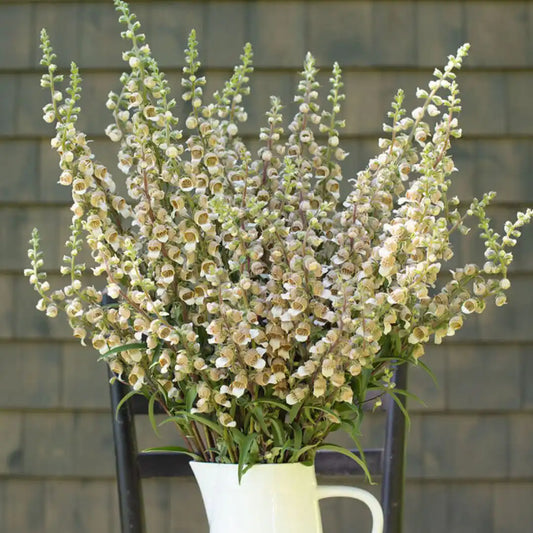
Foxglove Seeds - Cafe Creme
Regular price $8.95 CADRegular priceUnit price per -
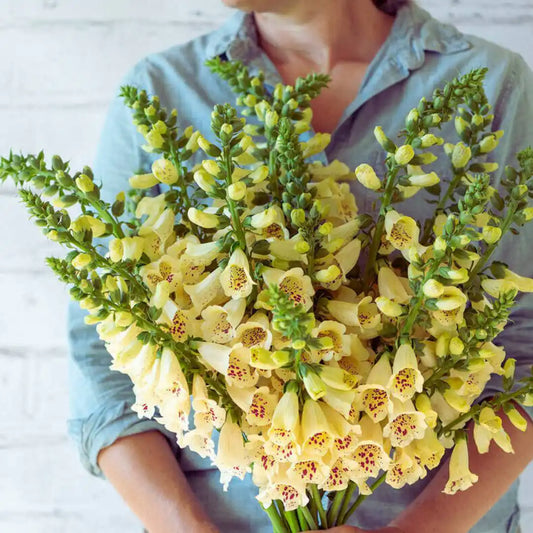
Foxglove Seeds - Camelot Cream (Pelleted)
Regular price $11.95 CADRegular priceUnit price per -
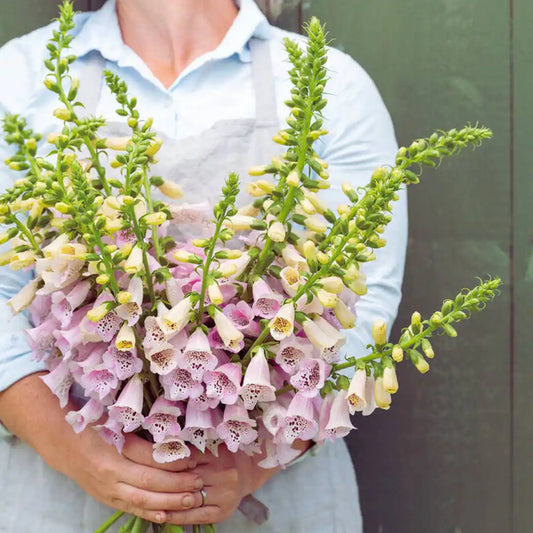
Foxglove Seeds - Camelot Lavender (Pelleted)
Regular price $11.95 CADRegular priceUnit price per -
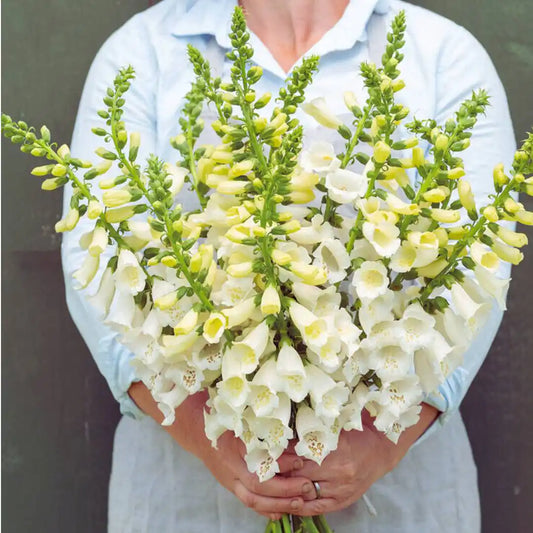
Foxglove Seeds - Camelot White (Pelleted)
Regular price $11.95 CADRegular priceUnit price per -
Foxglove Seeds - Dalmatian Peach (Pelleted)
Regular price $12.95 CADRegular priceUnit price per -
Foxglove Seeds - Pam's Choice
Regular price $6.95 CADRegular priceUnit price per -
Foxglove Seeds - Pink Gin
Regular price $5.95 CADRegular priceUnit price per -
Foxglove Seeds - Purple Pink
Regular price $3.95 CADRegular priceUnit price per








Collection: Foxglove Seeds
Foxglove Seeds for Tall, Colourful Garden Displays
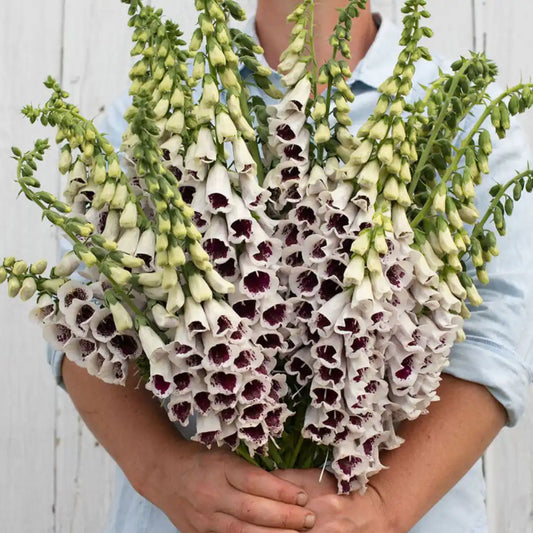
Grow dramatic vertical colour with foxglove seeds. Also known by the botanical name Digitalis, foxgloves produce tall flower spikes covered in tubular blooms ranging from soft cream and peach to lavender, pink, purple and white.
Foxgloves are especially well suited to cottage gardens, woodland-style plantings, partially shaded borders and mixed perennial beds. Their upright growth makes them useful for adding height behind shorter flowers, while their distinctive blooms bring colour and structure to the garden from late spring into summer.
Explore the Circle Farms selection of foxglove and Digitalis varieties, including soft neutral colours, traditional pinks and purples, and modern pelleted varieties. For even more garden colour, browse our complete Flower Seeds collection.
Why Grow Foxgloves From Seed?
Growing foxgloves from seed makes it possible to establish larger groups of plants throughout borders and naturalized areas while choosing from a wider range of flower colours and varieties.
Many foxgloves are biennial or short-lived perennial plants. They typically establish a leafy rosette during their first growing season before producing tall flowering stems during the following season. Once established, many varieties can also self-seed when mature flower stalks are left in place.
This growth habit makes foxgloves particularly effective in informal gardens where plants are allowed to move naturally through beds over time.
Foxglove Growing Information
| Growing Detail | Information |
|---|---|
| Common Name | Foxglove |
| Botanical Name | Digitalis |
| Plant Type | Biennial or short-lived perennial, depending on variety |
| Flower Form | Tall spikes of tubular, bell-shaped flowers |
| Flower Colours | Pink, purple, lavender, peach, cream and white |
| Sun Exposure | Part shade to full sun in cooler climates |
| Soil | Rich, moist and well-draining soil |
| Seed Depth | Surface sow or cover very lightly |
| Best Uses | Cottage gardens, woodland gardens, borders and naturalized plantings |
How to Grow Foxglove From Seed
Foxglove seeds are very small and benefit from light during germination, so they should be surface sown or covered only very lightly.
Prepare a fine, moist growing medium and scatter the seeds across the surface. Press them gently into the soil to ensure good contact without burying them deeply. Maintain even moisture while the seeds germinate.
Once seedlings are large enough to handle, thin or transplant them carefully. Young foxglove plants initially develop low rosettes of foliage before producing their characteristic tall flower spikes.
Starting Foxglove Seeds Indoors
Foxgloves can be started indoors in trays or small containers before transplanting outside.
Fill containers with a fine seed-starting mix and sow the seeds directly on the surface. Press them gently into place and keep the growing medium consistently moist without saturating it.
Once seedlings have developed several true leaves, provide adequate spacing and strong light. Harden plants off gradually before moving them into their permanent outdoor location.
Direct Sowing Foxglove Seeds
Foxglove seeds can also be sown directly into prepared garden soil.
Choose a location with suitable moisture and light conditions, remove competing weeds and loosen the upper layer of soil. Scatter the seeds across the surface, press them lightly into place and water carefully.
Direct sowing works particularly well when creating informal cottage gardens or naturalized plantings where groups of foxgloves can establish over time.
Do Foxgloves Prefer Sun or Shade?
Foxgloves generally perform very well in part shade, particularly in locations where they receive morning sunlight but are protected from intense afternoon heat.
In cooler Canadian climates, many varieties can also tolerate more direct sunlight when adequate soil moisture is available. Hot, exposed locations may require more frequent watering to prevent the soil from drying too quickly.
If you are planning a garden with limited direct sunlight, explore additional varieties in our Part Sun Plants collection.
Soil and Water Requirements
Foxgloves grow best in fertile, well-draining soil that retains moderate moisture.
Keep young seedlings consistently moist while their root systems become established. Mature plants generally appreciate regular moisture but should not remain in permanently waterlogged soil.
Adding compost or other organic matter before planting can improve both soil structure and moisture retention. A light layer of mulch can also help reduce moisture loss during warm weather.
Foxgloves for Cottage and Woodland Gardens
The tall, architectural growth of foxgloves makes them particularly valuable in cottage-style gardens.
Plant them toward the middle or back of mixed borders where their flower spikes can rise above lower-growing plants. Their softer colours pair naturally with columbines, delphiniums, forget-me-nots and other traditional cottage-garden flowers.
Foxgloves are also well suited to woodland-inspired gardens, particularly along partially shaded edges where the soil remains moderately moist.
For a soft neutral foxglove, explore Cafe Creme Foxglove Seeds, or add warmer colour with Pink Gin Foxglove Seeds.
Do Foxgloves Attract Pollinators?
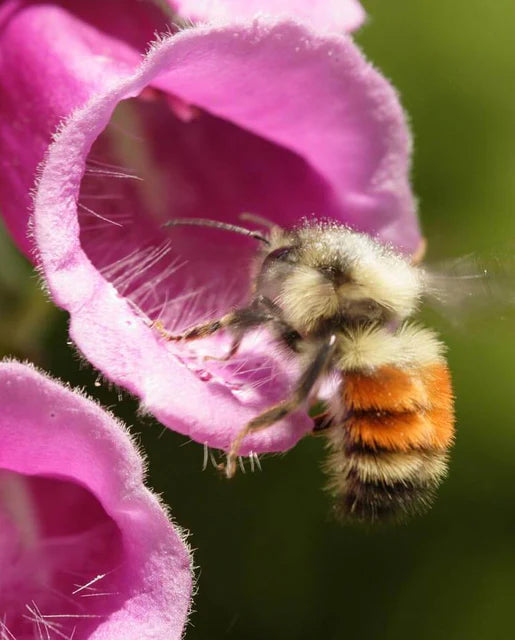
Foxglove flowers are particularly recognizable for their long, tubular shape. These flowers can provide nectar for visiting bees and other garden pollinators during the flowering season.
Growing foxgloves alongside other flowering plants with different bloom shapes and flowering periods can help create a more diverse garden throughout the season.
Explore more varieties selected for pollinator-friendly gardens in our Pollinator Plants collection.
Do Foxgloves Come Back Every Year?
Many common foxgloves are biennial plants. They typically spend their first year producing foliage before flowering during their second growing season.
Although individual plants may not live indefinitely, foxgloves can readily self-seed when mature flower stalks are allowed to develop seed. New seedlings can then appear around established plants, creating the impression of a returning perennial display.
If you would like foxgloves to naturalize, leave some finished flower stalks in place long enough for seed to mature. Remove unwanted seedlings if plants begin spreading outside their intended growing area.
Are Foxgloves Safe to Grow?
Foxgloves are ornamental plants, but all parts of the plant contain naturally occurring compounds that can be toxic if ingested.
Do not consume foxglove plants or seeds. Consider garden placement carefully in areas frequently used by young children or pets, and wash your hands after extensive handling.
Quick Foxglove Growing Tips
- Surface sow foxglove seeds because light supports germination.
- Keep the seed-starting medium evenly moist while seedlings establish.
- Grow in part shade or sun in cooler climates.
- Choose fertile, well-draining soil that retains moderate moisture.
- Allow enough space for mature plants and good airflow.
- Expect many biennial varieties to flower during their second growing season.
- Leave selected flower stalks to mature if you want plants to self-seed.
- Do not ingest any part of the foxglove plant.
Foxglove Seed FAQs
Are foxglove and Digitalis the same plant?
Yes. Foxglove is the common name for plants belonging to the botanical genus Digitalis. You may therefore see both foxglove seeds and Digitalis seeds used

