
-
Sunflower Seeds - Autumn Beauty
Regular price $5.95 CADRegular priceUnit price per -
Sunflower Seeds - Claret Red F1
Regular price $5.95 CADRegular priceUnit price per -

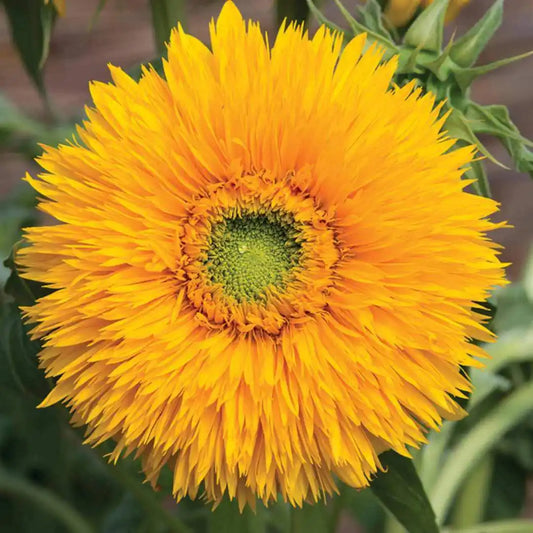 Returning Soon!
Sunflower Seeds - Double Sunking
Regular price $5.95 CADRegular priceUnit price per -
Sunflower Seeds - Earthwalker
Regular price $4.95 CADRegular priceUnit price per -
Sunflower Seeds - Mammoth Grey Stripe
Regular price $3.95 CADRegular priceUnit price per -
Sunflower Seeds - Maximillian (Perennial)
Regular price $6.95 CADRegular priceUnit price per -
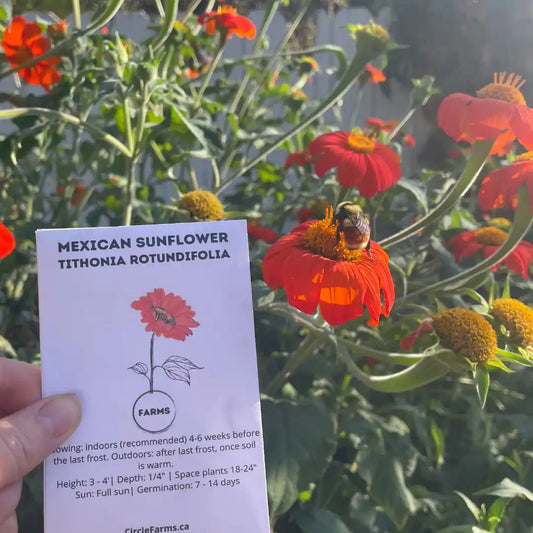
Sunflower Seeds - Mexican
Regular price $4.95 CADRegular priceUnit price per -
Sunflower Seeds - Procut Peach F1
Regular price $7.95 CADRegular priceUnit price per -
Sunflower Seeds - Procut Peach Lite
Regular price $7.95 CADRegular priceUnit price per -
Sunflower Seeds - Procut Plum F1
Regular price $7.95 CADRegular priceUnit price per -
Sunflower Seeds - Procut Red F1
Regular price $7.95 CADRegular priceUnit price per -
Sunflower Seeds - Procut White Lite F1
Regular price $7.95 CADRegular priceUnit price per -
Sunflower Seeds - Procut White Nite F1
Regular price $7.95 CADRegular priceUnit price per -
 Returning Soon!
Sunflower Seeds - Strawberry Blonde
Regular price $8.95 CADRegular priceUnit price per -
Sunflower Seeds - Sunfill Green
Regular price $7.95 CADRegular priceUnit price per -
Sunflower Seeds - Sunfill Purple
Regular price $7.95 CADRegular priceUnit price per -
Sunflower Seeds - Sunrich Lime
Regular price $7.95 CADRegular priceUnit price per -
Sunflower Seeds - Teddy Bear Dwarf
Regular price $3.95 CADRegular priceUnit price per














Collection: Sunflower Seeds - To Plant
Sunflower Seeds for Canadian Gardens
Grow bright summer colour, striking cut flowers, and pollinator-friendly blooms with our collection of sunflower seeds. Sunflowers are fast-growing, sun-loving plants known for their bold flower heads, sturdy stems, and ability to bring height and movement to garden beds, borders, vegetable gardens, and naturalized planting areas.
Our sunflower seed collection includes classic golden varieties, rich red and burgundy blooms, soft peach and cream-coloured flowers, compact dwarf sunflowers, towering statement plants, and professional-style cut-flower varieties. Whether you want cheerful flowers for a small garden, tall plants for privacy, blooms for bouquets, or seed heads that attract birds, there is a sunflower variety for almost every sunny growing space.
Most garden sunflowers belong to the species Helianthus annuus and complete their life cycle in one growing season. They are easy to direct sow, grow quickly in warm weather, and perform well across many regions of Canada when planted after the final spring frost.
Browse the sunflower varieties below, or explore our complete Flower Seeds collection for more annual and perennial blooms.
Sunflower Growing Profile
| Feature | General Growing Information |
|---|---|
| Common Name | Sunflower |
| Botanical Name | Helianthus annuus for most annual varieties |
| Plant Type | Primarily warm-season annual flower |
| Sun Requirements | Full sun, ideally 6–8 or more hours daily |
| Typical Germination Time | Approximately 7–14 days |
| Typical Sowing Depth | About ½–1 inch deep, depending on the variety |
| Typical Plant Spacing | Approximately 6–24 inches apart, depending on mature size |
| Bloom Season | Summer through early fall |
| Preferred Soil | Well-draining soil with moderate fertility |
| Best Uses | Cut flowers, pollinator gardens, borders, screens, bird gardens, and ornamental beds |
Choosing the Best Sunflower Seeds
The best sunflower seeds for your garden depend on the amount of space available and how you plan to use the flowers. Some varieties produce a single strong stem and uniform bloom, while others branch naturally and produce multiple flowers over a longer period.
Tall Sunflower Varieties
Tall sunflowers create dramatic vertical interest and can be planted along fences, at the back of garden beds, or in rows to form a temporary summer screen. Large varieties may need protection from strong wind, especially when grown in exposed areas.
Mammoth Grey Stripe Sunflower Seeds are a strong choice for gardeners seeking the classic tall sunflower appearance and substantial seed heads.
Dwarf Sunflower Seeds
Dwarf sunflowers are better suited to containers, raised beds, front borders, patios, and smaller gardens. Despite their compact size, many dwarf varieties still produce full, colourful blooms.
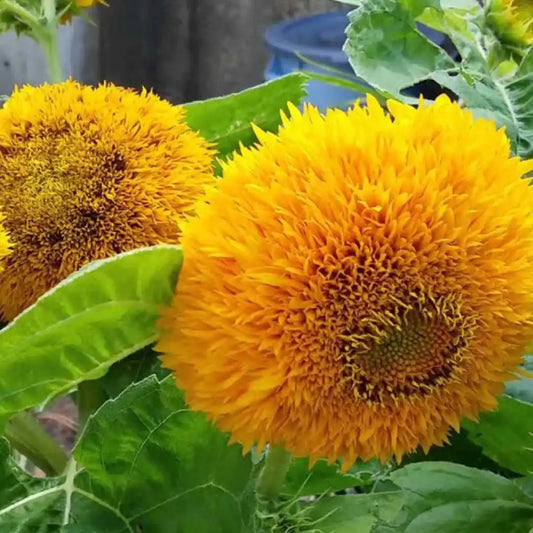
Teddy Bear Dwarf Sunflower Seeds produce compact plants with fluffy, densely petalled golden flowers that work well in smaller spaces.
Sunflowers for Cut Flowers
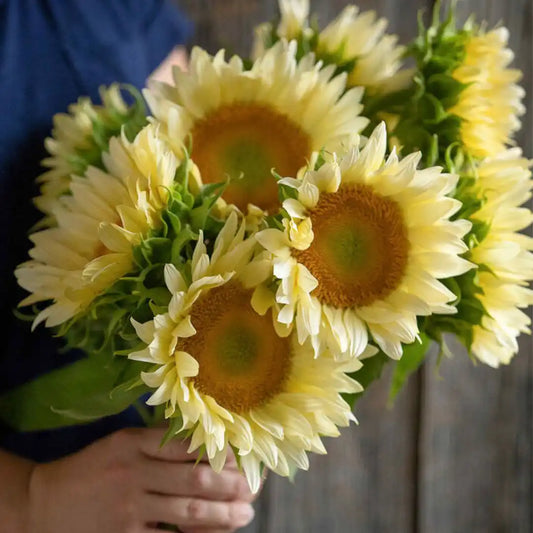
Cut-flower sunflower varieties are selected for qualities such as straight stems, dependable bloom size, attractive colours, and good vase performance. Single-stem varieties usually produce one main flower, while branching types can provide multiple harvests.
For a longer bouquet season, sow small batches of sunflower seeds every 7–14 days rather than planting the entire packet at once. This succession-planting method spreads flowering over several weeks.
Branching Sunflowers
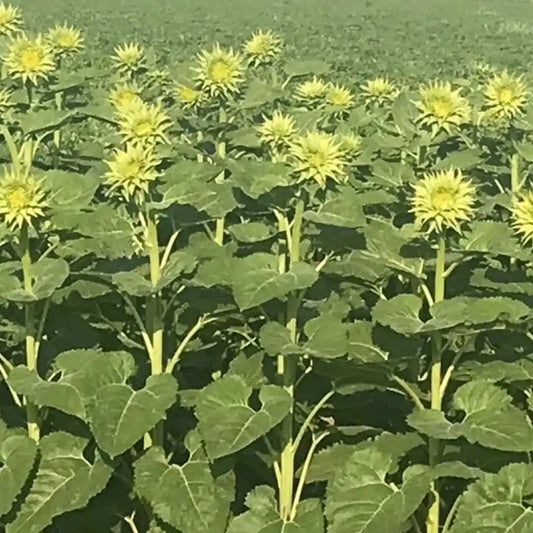
Branching varieties produce multiple stems and blooms from one plant. They generally require more space than single-stem sunflowers but can provide a longer display in garden beds and pollinator plantings.
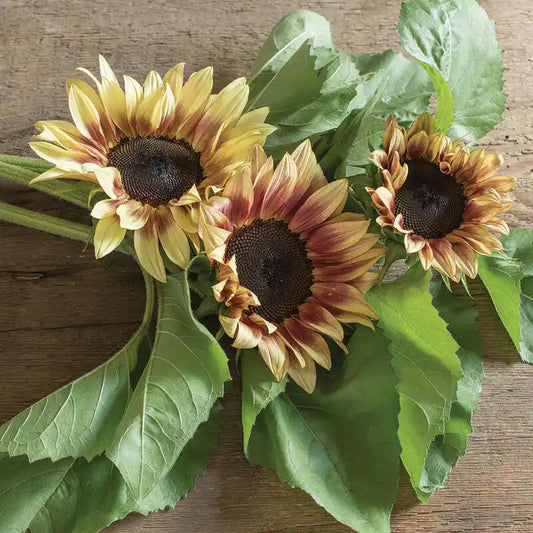
Autumn Beauty Sunflower Seeds produce a mixture of warm seasonal shades and work especially well in informal borders, cutting gardens, and naturalized plantings.
Unusual Sunflower Colours
Sunflowers are available in far more than traditional golden yellow. Depending on the variety, flowers may appear in shades of burgundy, copper, peach, cream, lime green, plum, red, or blended bi-colour tones.
Varieties such as Claret Red Sunflower, ProCut Plum Sunflower, and Strawberry Blonde Sunflower can add more complex colour palettes to bouquets and ornamental gardens.
How to Grow Sunflowers From Seed
Sunflower seeds are generally easiest to direct sow outdoors after the danger of frost has passed and the soil has begun to warm. Sunflowers develop strong taproots and usually perform best when they are allowed to establish where they will mature.
Select a planting location that receives at least 6–8 hours of direct sunlight per day. Loosen the soil and remove weeds before sowing. Plant the seeds according to the packet instructions, typically about ½–1 inch deep.
Keep the soil consistently moist during germination, but avoid keeping it waterlogged. Once the seedlings are established, water deeply when the upper layer of soil begins to dry.
Step-by-Step Sunflower Planting Instructions
- Wait until the risk of frost has passed.
- Choose a location with full sun.
- Loosen the soil and remove competing weeds.
- Sow sunflower seeds approximately ½–1 inch deep.
- Follow the individual packet instructions for spacing.
- Water gently after planting.
- Keep the soil evenly moist until seedlings emerge.
- Thin crowded seedlings once they are established.
- Protect young plants from slugs, birds, and other garden pests where necessary.
When to Plant Sunflower Seeds in Canada
Plant sunflower seeds outdoors after the final expected frost in your area. Exact timing varies considerably across Canada, but planting commonly takes place from late spring into early summer once the soil is workable and warming.
Gardeners in colder regions can wait until outdoor conditions are stable rather than planting into cold, wet soil. In warmer regions, sunflower seeds can often be succession sown several times through late spring and early summer.
For region-specific planting information, visit our growing pages for British Columbia, Alberta, Saskatchewan, Manitoba, or Ontario.
Can You Start Sunflower Seeds Indoors?
Sunflowers can be started indoors, but they should not remain in small pots for long. Their quickly developing roots can become restricted, and older seedlings may experience transplant shock.
When indoor starting is necessary because of a short growing season, sow the seeds in individual biodegradable or deep pots approximately 2–4 weeks before the expected final frost. Provide strong light and transplant the seedlings carefully without disturbing their roots.
Harden indoor-grown seedlings off gradually before planting them outside. Direct sowing remains the simplest option for most gardeners.
Sunflower Seed Spacing
Spacing depends on the sunflower variety and the type of bloom you want to produce. Always follow the instructions included with the individual seed packet.
| Sunflower Type | General Spacing | Best Use |
|---|---|---|
| Dwarf varieties | Approximately 6–12 inches | Containers, front borders, and small gardens |
| Single-stem cut flowers | Approximately 4–9 inches | Smaller bouquet-sized flowers |
| Branching varieties | Approximately 12–24 inches | Multiple blooms and garden displays |
| Giant sunflowers | Approximately 18–24 inches or more | Tall plants and large seed heads |
Closer spacing can result in smaller flowers and thinner stems, which may be desirable for cut-flower production. Wider spacing allows branching varieties and giant sunflowers to develop larger plants and flower heads.
Sunlight, Soil, and Water Requirements
Sunlight
Sunflowers grow best in full sun. Plants receiving insufficient light may develop weaker stems, lean toward available sunlight, and produce smaller flowers.
Soil
Choose well-draining soil and loosen compacted ground before planting. Sunflowers can grow in a range of soil types, but they generally perform best in soil containing organic matter without excessive nitrogen.
Water
Water consistently while the seeds germinate and during early plant development. Established plants develop deeper roots and can tolerate short dry periods, but regular deep watering supports stronger stems and better flowering.
Water near the base of the plant rather than repeatedly wetting the foliage. Mulch can help conserve moisture and suppress competing weeds.
Do Sunflowers Need Fertilizer?
Sunflowers planted in reasonably fertile garden soil may need little additional fertilizer. Before planting, compost or well-aged organic matter can be worked into poor soil to improve structure and nutrient availability.
Avoid overusing high-nitrogen fertilizer. Excess nitrogen may create very tall, leafy plants with weaker stems or delayed flowering.
If your soil is known to be nutrient deficient, apply a balanced garden fertilizer according to its label instructions. Learn more about feeding garden plants in our Organic Fertilizer Guide.
Growing Sunflowers in Containers
Dwarf and compact sunflowers are the best choices for containers. Choose a pot with drainage holes and enough depth to support the plant’s root system. Larger or branching varieties need substantial containers and may require staking.
Use fresh, well-draining potting mix and place the container in the sunniest available location. Container-grown sunflowers generally need more frequent watering than plants growing directly in garden soil.
Browse more space-saving options in our Container Garden Compact Plants collection.
Sunflowers for Pollinators and Birds
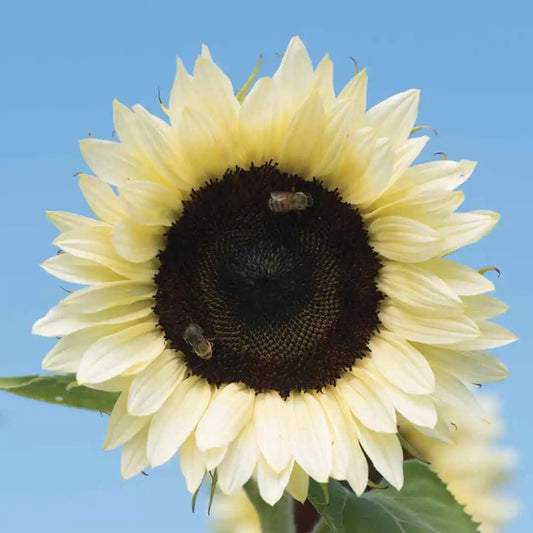
Open-pollinated sunflower blooms can provide pollen and nectar for bees and other beneficial insects. Later in the season, mature seed heads can become a food source for birds.
To support wildlife, allow selected flowers to remain on the plant after the petals fade. Once the seeds mature, birds may feed directly from the flower heads.
Some cut-flower sunflower hybrids are pollenless, which helps prevent pollen from dropping onto tables and clothing. Gardeners planting specifically for pollinators should include pollen-producing varieties alongside any pollenless cut-flower selections.
Discover more bee- and butterfly-friendly flowers in our Pollinator Plants collection.
How to Harvest Sunflowers for Bouquets
Harvest cut-flower sunflowers when the petals are beginning to lift away from the centre and before the flower is fully open. Cut the stems early in the morning or during a cool part of the day using clean garden shears.
Remove leaves that would sit below the waterline and place the stems into clean water promptly. Refresh the vase water regularly to extend the display.
Branching sunflowers may continue producing side shoots after the first flowers are cut. Regular harvesting can encourage the plant to direct energy toward remaining buds.
How to Harvest Sunflower Seeds
To harvest mature sunflower seeds, leave the flower head on the plant after blooming. Allow the back of the head to turn yellow or brown and wait for the seeds to become full and firm.
Protect ripening heads with breathable mesh or paper where birds are likely to remove the seeds before harvest. Once mature, cut the flower head with a section of stem attached and allow it to finish drying in a sheltered, ventilated location.
Rub or brush the dry seeds from the head. Store fully dried seeds in a cool, dry place. Seeds intended for eating should only be collected from varieties grown and handled for that purpose.
Common Sunflower Growing Problems
| Problem | Possible Cause | What to Do |
|---|---|---|
| Seeds do not germinate | Cold soil, excess moisture, pests, or old seed | Wait for warmer soil, avoid overwatering, and protect the planting area |
| Seedlings disappear | Birds, rodents, slugs, or other pests | Use temporary netting or another suitable garden barrier |
| Plants lean or fall | Insufficient sunlight, wind exposure, or weak stems | Provide full sun, support tall plants, and avoid excessive nitrogen |
| Few flowers develop | Too much shade, crowding, or excess nitrogen | Improve sunlight, spacing, and fertilizer balance |
| Leaves wilt | Dry soil, root damage, or extreme heat | Water deeply and consistently while checking soil moisture |
Quick Sunflower Planting Instructions
- Plant after the final spring frost.
- Choose a location receiving full sun.
- Sow seeds approximately ½–1 inch deep.
- Follow the variety-specific spacing instructions.
- Keep the soil moist during germination.
- Thin seedlings if they emerge too closely together.
- Water deeply as the plants establish.
- Support tall varieties in exposed locations.
- Succession sow every 7–14 days for an extended cut-flower harvest.
- Leave selected mature seed heads for birds or seed collection.
Sunflower Seeds FAQs
When should I plant sunflower seeds?
Plant sunflower seeds outdoors after the final expected frost, once the soil has begun to warm. In many Canadian regions, this falls between late spring and early summer.
How long do sunflower seeds take to germinate?
Sunflower seeds commonly germinate in approximately 7–14 days. Germination speed depends on soil warmth, moisture, planting depth, and the individual variety.
How deep should sunflower seeds be planted?
Most sunflower seeds are planted approximately ½–1 inch deep. Follow the packet instructions because ideal planting depth can vary by seed size and variety.
Do sunflower seeds need to be soaked before planting?
No. Sunflower seeds can be planted directly without soaking. Consistent soil moisture after planting is generally enough to support germination.
Can sunflower seeds be planted directly in the ground?
Yes. Direct sowing is usually the easiest and most reliable way to grow sunflowers because the plants develop strong taproots and may not respond well to root disturbance.
Do sunflowers come back every year?
Most commonly grown sunflowers are annuals and complete their life cycle in one season. They may occasionally self-seed. Perennial sunflower species, including Maximilian sunflower, can return in suitable growing conditions.
How much sun do sunflowers need?
Sunflowers grow best with at least 6–8 hours of direct sunlight per day. More sunlight generally supports stronger stems and better flower production.
Can sunflowers grow in pots?
Yes. Dwarf and compact varieties grow especially well in pots. Use a container with drainage holes, quality potting mix, full sun, and enough space for the mature plant.
Are sunflower seeds easy to grow?
Yes. Sunflowers are considered beginner-friendly because the seeds are large, easy to handle, quick to germinate, and suitable for direct sowing.
Do sunflowers attract bees?
Many pollen-producing sunflower varieties attract bees and other pollinators. Some cut-flower hybrids are pollenless, so check the specific product description when selecting seeds for a pollinator garden.
How tall do sunflowers grow?
Mature height varies widely. Dwarf sunflowers may remain around 1–3 feet tall, while giant varieties can grow 8 feet or taller under favourable conditions.
Can I plant sunflower seeds throughout the summer?
Sunflowers can be succession sown into early summer as long as the selected variety has enough frost-free days remaining to reach maturity.
Explore More Flower Seeds
Pair sunflowers with other easy-to-grow annual flowers for a colourful cutting garden, pollinator patch, or summer border:
Browse all Flower Seeds or discover varieties suitable for naturalized and wildlife-friendly spaces in our Pollinator Plants collection.

