
-
Lavender Seeds - Dwarf Munstead
Regular price $4.25 CADRegular priceUnit price per -
Lavender Seeds - Dwarf Munstead Mix (Organic)
Regular price $4.95 CADRegular priceUnit price per

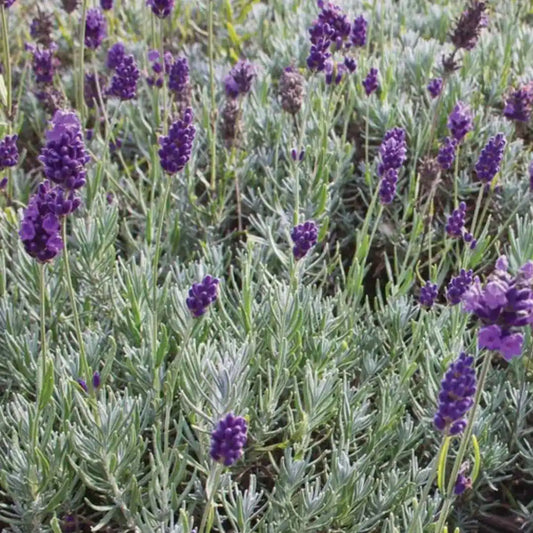

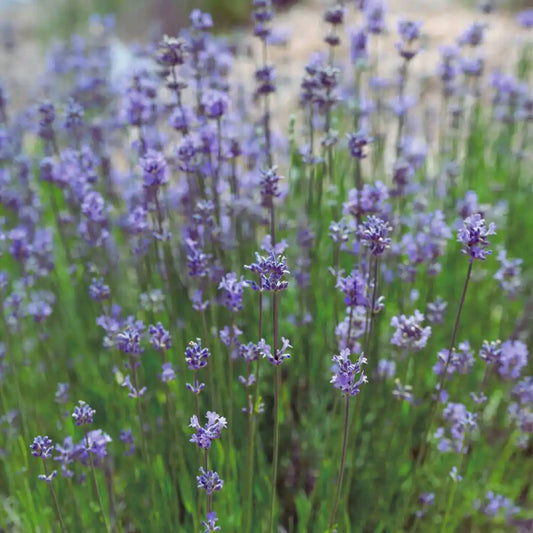
Collection: Lavender Seeds
Lavender Seeds for Fragrant, Long-Lived Garden Plants
Lavender is prized for its fragrance, silvery foliage, purple flower spikes and ability to attract pollinators. Once established, lavender can become a long-lived feature in sunny garden beds, borders, herb gardens and containers.
Growing lavender from seed takes more patience than starting many annual flowers, but it gives gardeners access to a wider range of varieties and can be an economical way to establish multiple plants. Lavender seeds often benefit from cool stratification and should be started well ahead of the outdoor planting season.
Browse the lavender seeds below, or explore our wider herb seed collection and perennial plant seeds for more long-term garden favourites.
Lavender Growing Information
| Growing Detail | General Information |
|---|---|
| Common Name | Lavender |
| Botanical Genus | Lavandula |
| Plant Type | Perennial herb / flowering shrub, depending on species and climate |
| Sun | Full sun |
| Soil | Well-draining, relatively lean soil |
| Seed Starting | Usually started indoors well before spring transplanting |
| Cold Stratification | Often beneficial, depending on variety |
| Germination | Often 14–30+ days after suitable pretreatment and sowing |
| Best Uses | Borders, herb gardens, pollinator gardens, containers, dried flowers and fragrance gardens |
Why Grow Lavender From Seed?
Lavender is slower to establish from seed than many annual flowers, but the payoff is a perennial plant that can return for years when grown in suitable conditions. Starting from seed is especially useful when you want to grow several plants for borders, pathways or larger herb gardens.
Lavender also offers more than ornamental value. Its flowers attract bees and other pollinators, while the aromatic foliage and blooms make it popular in herb gardens and dried arrangements.
For more long-lived flowering plants, explore our perennial plant seed collection.
Choosing Lavender Seeds
Different lavender varieties can vary in mature size, cold tolerance, fragrance and flower colour. For Canadian gardeners, hardiness should be one of the most important considerations when choosing a variety.
| Garden Goal | What to Look For | Example Variety |
|---|---|---|
| Compact plants | Smaller English lavender selections | Dwarf Munstead Lavender |
| Classic fragrant lavender | Traditional English lavender types | Munstead Lavender Mix |
| Cold-climate perennial garden | Hardier lavender varieties with good drainage and winter protection | English lavender types |
Do Lavender Seeds Need Cold Stratification?
Lavender seeds can be slow and irregular to germinate. A period of cool, moist conditions before sowing can help improve germination for many varieties.
A common approach is to place seeds in a lightly moist medium in the refrigerator for several weeks before sowing. The goal is to expose the seeds to a controlled cool period that mimics seasonal conditions.
Not every lavender variety responds exactly the same way, so always follow the specific instructions for the seed you are growing.
For a broader explanation of how temperature and timing affect germination, read our guide to seed germination, temperature, light and timing.
How to Grow Lavender From Seed
After any recommended cold treatment, sow lavender seeds into a fine, well-draining seed-starting mix. Seeds should generally be placed near the surface and only lightly covered.
Keep the growing medium evenly moist but never waterlogged. Lavender seedlings are sensitive to excessive moisture, and consistently saturated soil can lead to poor growth or damping off.
Provide bright light as soon as seedlings emerge. Because lavender grows relatively slowly at first, seedlings should be kept in good light and gradually moved into larger containers as they develop.
Once outdoor conditions are suitable, harden plants off gradually before transplanting them into their permanent location.
When to Start Lavender Seeds in Canada
Lavender should generally be started earlier than fast-growing annual flowers because germination and early growth can take time. In many Canadian regions, starting the process in winter gives seedlings enough time to develop before spring or early-summer transplanting.
| Growing Stage | General Timing |
|---|---|
| Cold Stratification | Several weeks before sowing, when recommended for the variety |
| Start Indoors | Often 10–12+ weeks before the intended outdoor transplant date |
| Harden Off | Gradually over approximately 7–14 days |
| Transplant Outdoors | Once severe frost risk has passed and plants are well established |
Growing Lavender in Canadian Gardens
Lavender performs best in a sunny location with excellent drainage. Cold winters can be less damaging than wet winter soil, so choosing the right planting location is especially important in Canadian climates.
Avoid planting lavender in low areas where water collects. Raised beds, slopes and well-draining garden soils can help prevent excess moisture around the roots.
If you are selecting perennial plants for your climate, our guide to annual vs. perennial plants for Canadian gardeners explains the key differences in how these plants behave across the seasons.
Lavender for Pollinator Gardens
Lavender flowers are highly attractive to bees and can provide both fragrance and pollinator value in sunny garden spaces. Planting several lavender plants together can create a concentrated flowering area that is easy for pollinators to find.
For a more diverse pollinator planting, explore our pollinator plant seeds and wildflower seeds.
Growing Lavender in Containers
Lavender can grow very well in containers as long as drainage is excellent. Choose a pot with generous drainage holes and use a free-draining growing medium.
Containers are especially useful in regions where gardeners want more control over winter moisture or where garden soil stays too wet. Potted lavender can also be positioned on sunny patios, balconies and entrances where its fragrance can be enjoyed up close.
For more varieties suited to smaller growing spaces, browse our container garden and compact plant seeds.
Lavender for Dried Flowers
Lavender is one of the classic plants for drying because the flower stems retain both their appearance and fragrance after harvest. Stems are usually cut as the flower spikes begin opening and then bundled and dried in a warm, well-ventilated location away from direct sunlight.
Dried lavender can be used in bouquets, wreaths and other decorative arrangements.
If dried flowers are a major part of your garden plan, explore our strawflower seeds and statice seeds for additional varieties that dry exceptionally well.
Lavender Seed FAQs
Is lavender hard to grow from seed?
Lavender is slower and somewhat less predictable from seed than many annual flowers, but it can be successfully grown when gardeners provide appropriate cold treatment, moisture, warmth and light.
Do lavender seeds need cold stratification?
Many lavender varieties benefit from cold stratification before sowing. This involves exposing the seeds to cool, moist conditions for several weeks to help improve germination.
How long do lavender seeds take to germinate?
Lavender seeds often take approximately 14 to 30 days or longer to germinate. Germination can be irregular, so some seedlings may emerge significantly later than others.
When should I start lavender seeds in Canada?
Lavender is usually started indoors well ahead of spring, often around 10 to 12 weeks or more before transplanting. If the seeds require stratification, that process needs to begin even earlier.
Does lavender come back every year?
Many lavender varieties are perennial and can return for multiple years when they are hardy in the local climate and planted in well-draining soil. Winter hardiness depends on the species, variety and growing conditions.
Does lavender need full sun?
Yes. Lavender performs best in full sun, ideally receiving at least 6 to 8 hours of direct sunlight each day.
Can lavender grow in containers?
Yes. Lavender is well suited to containers when the pot has excellent drainage and receives plenty of sunlight.
How often should lavender be watered?
Young plants need consistent moisture while becoming established, but mature lavender prefers soil that is allowed to dry somewhat between waterings. Overwatering is generally a greater risk than underwatering.
Is lavender good for bees?
Yes. Lavender flowers are highly attractive to bees and can be a valuable addition to a diverse pollinator garden.
Can lavender be dried?
Yes. Lavender is commonly harvested and dried for bouquets and decorative use. Cutting stems as the flowers begin to open helps preserve their colour and fragrance.

