
-
Calendula Seeds - Orange Flash
Regular price $4.95 CADRegular priceUnit price per -
Calendula Seeds - Double Lemon
Regular price $4.95 CADRegular priceUnit price per -

 Returning Soon!
Calendula Seeds - Farm Mix
Regular price $3.95 CADRegular priceUnit price per

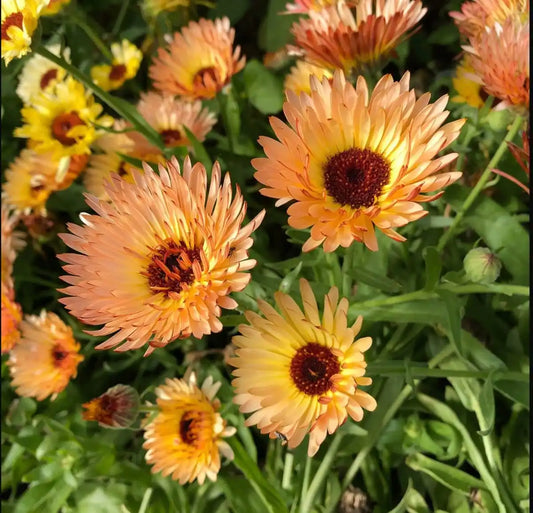

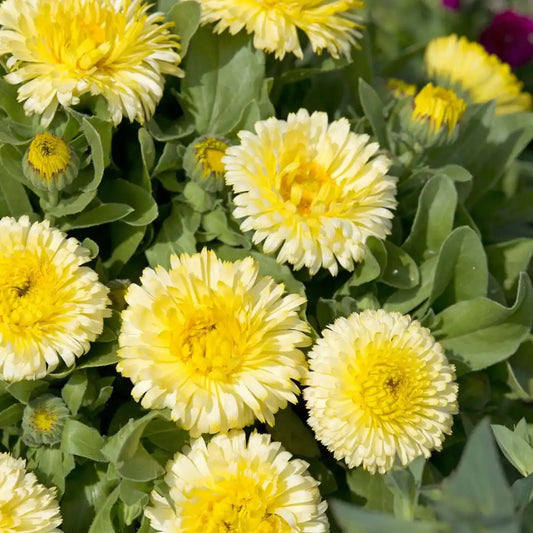


Collection: Calendula Seeds
Calendula Seeds for Colourful, Easy-Growing Flowers
Calendula is one of the easiest flowers to grow from seed, producing cheerful blooms in shades of yellow, gold, orange, cream and apricot. Also known as pot marigold, calendula is a cool-season annual that grows quickly, flowers generously and works beautifully in garden beds, borders, pollinator gardens and cut-flower plantings.
Calendula seeds are a great choice for beginner gardeners because they are simple to sow, fast to establish and tolerant of cooler spring and fall conditions. Many varieties can be direct sown outdoors, while gardeners who want an earlier start can also begin calendula indoors before transplanting.
Browse the calendula seeds below, or explore our wider flower seed collection for more annual and perennial varieties suited to Canadian gardens.
Calendula Growing Information
| Growing Detail | General Information |
|---|---|
| Common Name | Calendula, Pot Marigold |
| Botanical Name | Calendula officinalis |
| Plant Type | Cool-season annual |
| Sun | Full sun to light partial shade |
| Sowing Method | Direct sow outdoors or start indoors |
| Seed Depth | Approximately 6–12 mm (¼–½ inch) |
| Germination | Approximately 7–14 days |
| Bloom Period | Late spring through fall, depending on sowing time and climate |
| Best Uses | Garden beds, borders, pollinator gardens, cut flowers and containers |
Why Grow Calendula From Seed?
Calendula grows quickly from seed and can begin flowering relatively early in the season. Its tolerance for cooler temperatures makes it especially useful in Canadian gardens, where many warm-season annual flowers must wait until later in spring before they can be planted outside.
Calendula is also valuable for gardeners who want a long flowering season. Succession sowing can help extend bloom production, while regular deadheading encourages plants to continue producing fresh flowers.
For more flowers that are well suited to being sown directly outdoors, explore our flowers to direct seed collection.
Choosing Calendula Seeds
Calendula varieties differ in flower colour, size, petal form and overall appearance. Some produce classic golden-orange blooms, while others offer softer cream, peach, lemon and antique tones that work especially well in cut-flower gardens.
| Garden Goal | Recommended Type | Example Variety |
|---|---|---|
| Warm orange colour | Classic calendula | Orange Flash Calendula |
| Mixed garden colour | Colour blend | Calendula Farm Mix |
| Soft yellow blooms | Lemon-toned calendula | Double Lemon Calendula |
How to Grow Calendula From Seed
Calendula seeds can be started directly outdoors once the soil can be worked in spring, or started indoors several weeks before transplanting. Sow the curved seeds approximately 6–12 mm deep and keep the soil evenly moist while they germinate.
Once seedlings are established, thin or transplant them so each plant has enough room for airflow and branching. Calendula prefers fertile, well-drained soil but is generally adaptable and easy to manage in ordinary garden conditions.
If you are new to starting seeds, our guide to seed germination, temperature, light and timing explains the most important factors that influence successful germination.
When to Plant Calendula in Canada
Calendula performs especially well during cooler parts of the growing season. In many Canadian regions, it can be sown in spring before more heat-loving annual flowers are ready to go outside.
| Planting Method | General Timing |
|---|---|
| Direct Sow Outdoors | Early to mid-spring once soil is workable |
| Start Indoors | Approximately 4–6 weeks before transplanting |
| Succession Sow | Every few weeks for a longer flowering period |
| Late-Season Sowing | Possible in regions with mild autumn conditions |
Because frost dates and growing seasons vary across the country, gardeners should adjust sowing times for their local region rather than relying on a single national planting date.
Calendula for Cut Flowers
Calendula can be a useful addition to a cut-flower garden because the plants produce abundant blooms and respond well to regular harvesting. Flowers are often strongest when cut while they are fresh and fully coloured but before they begin to decline.
For a more diverse cutting garden, pair calendula with annuals from our zinnia seed collection, cosmos seeds or snapdragon seeds.
Calendula for Pollinator Gardens
Calendula flowers can attract beneficial insects and pollinators while adding colour to vegetable beds, borders and mixed flower gardens. Their long bloom period can help provide floral resources across a broader portion of the growing season.
If you are planning a garden specifically for bees, butterflies and other pollinators, explore our pollinator plant seeds collection or read our backyard pollinator corridor guide.
Growing Calendula in Containers
Calendula can also grow successfully in containers, making it a practical choice for patios, balconies and smaller gardens. Use a container with drainage holes, place it in a sunny location and water whenever the top layer of soil begins to dry.
Compact calendula varieties can be mixed with herbs and other annual flowers in larger containers for a colourful edible-garden or cottage-garden effect.
For more varieties suited to limited spaces, browse our container garden and compact plant seeds.
Calendula Seed FAQs
Is calendula easy to grow from seed?
Yes. Calendula is generally considered an easy annual to grow from seed. It germinates relatively quickly, tolerates cooler temperatures and can often be direct sown outdoors.
When should I plant calendula seeds in Canada?
Calendula can usually be sown in early spring once the soil is workable. Gardeners can also start seeds indoors several weeks earlier or succession sow throughout the cooler parts of the growing season.
Does calendula prefer sun or shade?
Calendula performs best in full sun but can tolerate some light partial shade. In very warm regions, a little afternoon shade may help plants continue flowering during hot periods.
How long do calendula seeds take to germinate?
Calendula seeds typically germinate in about 7 to 14 days when kept evenly moist and provided with suitable temperatures.
Can calendula be direct sown?
Yes. Calendula is well suited to direct sowing and can be planted outdoors in spring once garden soil is workable.
Does calendula come back every year?
Calendula is usually grown as an annual. However, plants may self-seed under suitable conditions, which can result in volunteer seedlings appearing in future seasons.
Is calendula good for pollinators?
Calendula flowers can attract bees and other beneficial insects, especially when grown alongside a diverse range of flowering plants.
Can calendula grow in containers?
Yes. Calendula grows well in containers as long as the pot has good drainage, sufficient soil volume and adequate sunlight.
Should calendula be deadheaded?
Regular deadheading can encourage continued flower production and prevent plants from directing energy into seed development too early in the season.
Can calendula tolerate frost?
Calendula tolerates cool weather better than many summer annuals and may survive light frost, but prolonged or severe freezing conditions can damage the plants.

