
-
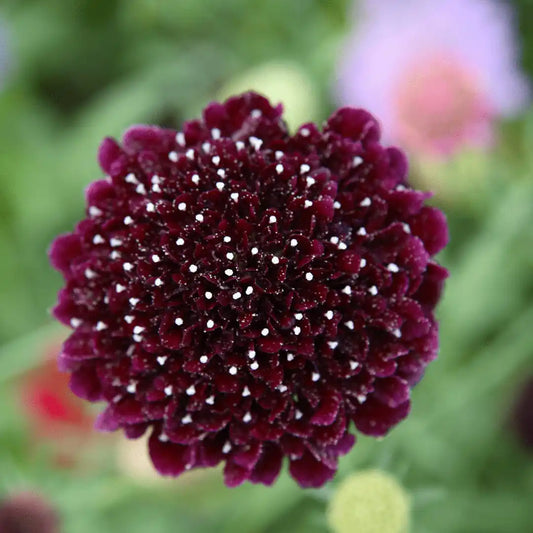
Scabiosa Seeds - Black Knight
Regular price $5.95 CADRegular priceUnit price per -
Scabiosa Seeds - Fata Morgana
Regular price $5.95 CADRegular priceUnit price per -
Scabiosa Seeds - Fire King
Regular price $5.95 CADRegular priceUnit price per -
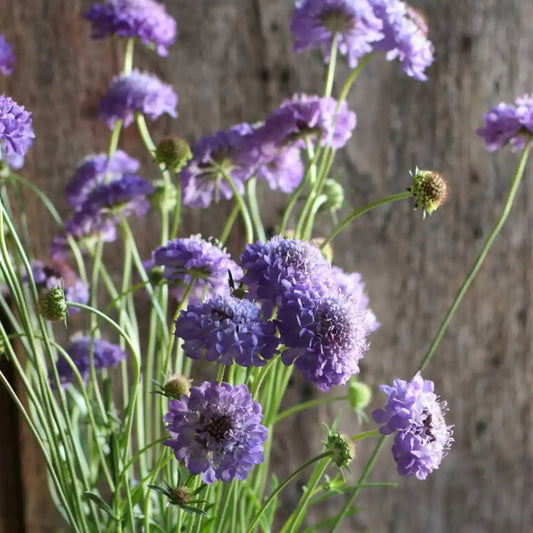
Scabiosa Seeds - Oxford Blue
Regular price $5.95 CADRegular priceUnit price per -
Scabiosa Seeds - Pincushion Formula Mix
Regular price $5.95 CADRegular priceUnit price per -
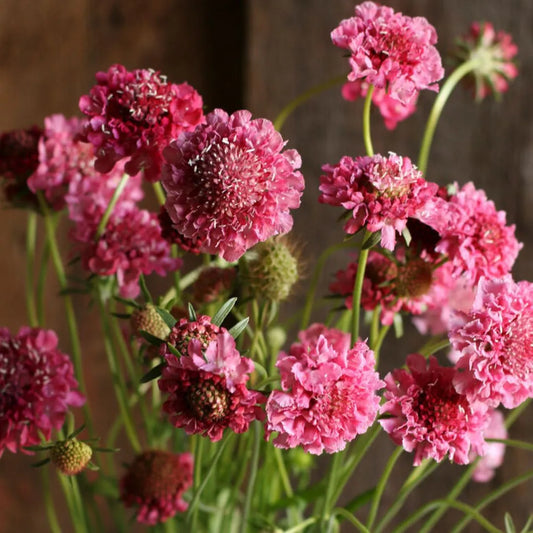
Scabiosa Seeds - Salmon Rose
Regular price $5.95 CADRegular priceUnit price per -
Scabiosa Seeds - Snowmaiden
Regular price $5.95 CADRegular priceUnit price per -
Scabiosa Seeds - Starflower (Ping Pong)
Regular price $5.95 CADRegular priceUnit price per -
Scabiosa Seeds - Triple Berry Mix
Regular price $5.95 CADRegular priceUnit price per







Collection: Scabiosa Pincushion Seeds
Scabiosa Seeds – Pincushion Flowers for Cutting Gardens
Grow elegant, long-stemmed blooms with Scabiosa seeds, commonly known as Pincushion Flowers. Scabiosa produces distinctive rounded flower heads with delicate petals surrounding raised centres, giving each bloom its characteristic pincushion-like appearance.
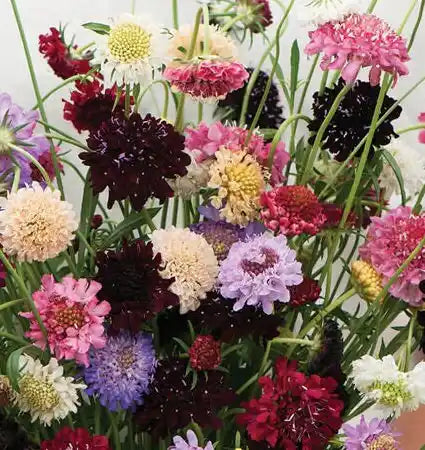
Available in colours ranging from deep burgundy and blue to soft pink, cream and white, Scabiosa is especially popular in cutting gardens, cottage-style borders and mixed flower beds. The long stems and unusual flower form add texture to fresh bouquets, while selected varieties also produce decorative seed heads that can be used in dried arrangements.
Scabiosa flowers can also attract bees and butterflies throughout the summer, making them useful for gardeners who want to combine cut-flower production with a more pollinator-friendly planting.
Scabiosa Growing Information
| Growing Detail | General Information |
|---|---|
| Common Name | Pincushion Flower |
| Botanical Name | Scabiosa |
| Plant Type | Varies by variety; many garden Scabiosa varieties are grown as annual flowers |
| Flower Colours | Burgundy, blue, pink, salmon, cream, white and mixed shades |
| Sun Exposure | Full sun |
| Soil | Rich, well-draining soil |
| Indoor Sowing | Approximately 6–8 weeks before the last frost |
| Outdoor Sowing | Direct sow once the soil has warmed |
| Water | Keep evenly moist while seedlings establish |
| Flowering Season | Typically midsummer into fall, depending on variety and conditions |
| Best Uses | Cutting gardens, bouquets, borders, pollinator gardens and dried arrangements |
What Is Scabiosa?
Scabiosa is a flowering plant best known for its distinctive pincushion-shaped blooms. The flower heads combine a raised centre with an outer ring of soft petals, creating a textured appearance that stands out from more traditional daisy-shaped garden flowers.
The plants are particularly popular among cut-flower growers because many varieties produce long stems and continue flowering when blooms are harvested regularly.
Scabiosa is available in an unusually broad colour palette. Gardeners can grow everything from nearly black burgundy flowers to pale cream, white, pink and blue varieties within the same general flower form.
How to Grow Scabiosa From Seed
Scabiosa seeds can be started indoors approximately 6–8 weeks before the last frost or sown directly outdoors once the soil has warmed.
Choose a sunny growing location with rich, well-draining soil. Keep the growing medium consistently moist while seeds germinate and young plants become established, while avoiding permanently saturated conditions.
Once seedlings are large enough to handle, thin or transplant them to provide sufficient room for airflow and stem development.
Starting Scabiosa Seeds Indoors
Starting Scabiosa indoors gives plants a head start before the outdoor growing season begins.
Fill trays or cells with a quality seed-starting mix and sow according to the depth recommended for the individual variety. Maintain even moisture and provide strong light once seedlings emerge.
Before transplanting, gradually harden young plants off by exposing them to outdoor conditions over several days.
Direct Sowing Scabiosa
Scabiosa can also be direct sown once outdoor soil has warmed and seasonal conditions are suitable.
Prepare a weed-free seedbed with loose, well-draining soil. Sow the seeds according to the instructions for the individual variety and maintain moisture until seedlings are established.
Direct sowing can work particularly well for gardeners growing larger groups of Scabiosa throughout cutting beds or informal flower borders.
How Much Sun Does Scabiosa Need?
Scabiosa performs best in full sun.
A bright growing location encourages strong stems and abundant flower production. Plants grown in excessive shade may stretch toward available light and generally produce fewer blooms.
For cutting gardens, choose an open location where plants receive consistent sunlight while still having sufficient airflow between stems.
Soil and Water Requirements
Scabiosa grows best in rich soil that drains freely.
Keep the soil moderately moist while seedlings are establishing. Once plants are actively growing, water as needed while avoiding constantly saturated soil around the roots.
Adding compost before planting can improve ordinary garden soil and provide nutrients without requiring excessive fertilizer.
Scabiosa for Cut Flower Gardens
Scabiosa is especially valuable as a cut flower because its shape contrasts with larger focal blooms such as zinnias, sunflowers and dahlias.
The rounded flower heads add texture while the slender stems create movement throughout an arrangement. Regular harvesting can also encourage plants to continue producing flowers during the growing season.
For one of the darkest varieties in the collection, grow Black Knight Scabiosa Seeds. Its deep burgundy colouring works particularly well in dramatic summer and autumn bouquets.
White Scabiosa for Soft Garden Palettes
White Scabiosa can provide a softer contrast in both gardens and floral arrangements. Pale flowers are particularly useful for neutral, pastel and wedding-inspired colour palettes.
For a clean white Scabiosa variety, explore Snowmaiden Scabiosa Seeds.
Pairing light and dark Scabiosa varieties within the same cutting bed can create dramatically different bouquet combinations from plants with similar growth habits.
Scabiosa Seed Heads for Dried Arrangements
Scabiosa can provide interest beyond its fresh flowers. Certain varieties are grown specifically for the decorative seed heads that remain after flowering.
These textured seed heads can be harvested and dried for arrangements, providing a different form from conventional dried flowers.
Starflower Scabiosa, also known as Ping Pong Scabiosa, is particularly useful for gardeners interested in decorative seed heads and dried-flower arrangements.
Dark Flowers for Dramatic Cutting Gardens
Deep-coloured Scabiosa varieties can be used to create contrast against lighter pink, cream, white and apricot flowers.
Black Knight's dark burgundy blooms are especially effective in moody flower borders and sophisticated cut-flower palettes.
If you enjoy growing unusually dark flowers, explore more varieties in our Black Flower Seeds collection.
Is Scabiosa Good for Pollinators?
Yes. Scabiosa flowers can attract bees, butterflies and other visiting pollinators during their summer flowering period.
Planting Scabiosa alongside flowers with different bloom shapes and flowering periods can create a more diverse source of nectar and pollen throughout the growing season.
For ideas on connecting individual plantings into a more useful habitat, read our guide to creating a backyard pollinator corridor.
How to Keep Scabiosa Flowering
Regular deadheading is one of the simplest ways to encourage continued Scabiosa flower production.
Remove faded flowers before the plant invests significant energy into seed development. For plants grown as cut flowers, regular harvesting naturally performs much of the same function.
If you want decorative seed heads for drying, allow selected blooms to mature instead of deadheading every stem.
Scabiosa in Containers
Scabiosa can also be grown in containers as long as the plants receive adequate sunlight and drainage.
Choose containers with drainage holes and use a loose potting mix. Because containers can dry faster than garden beds, monitor moisture carefully during warm and windy weather.
Compact arrangements can combine Scabiosa with lower-growing flowers, while taller varieties may perform best in larger containers where their stems have adequate support.
Quick Scabiosa Growing Tips
- Start seeds indoors approximately 6–8 weeks before the last frost.
- Alternatively, direct sow after the soil has warmed.
- Choose a location in full sun.
- Plant in rich, well-draining soil.
- Maintain consistent moisture while seedlings establish.
- Thin young plants to provide good airflow and room for strong stems.
- Harvest flowers regularly when growing Scabiosa for bouquets.
- Deadhead faded flowers to encourage continued blooming.
- Allow selected flowers to mature if decorative seed heads are desired.
Scabiosa Seed FAQs
Is Scabiosa the same as Pincushion Flower?
Yes. Pincushion Flower is a common name for Scabiosa and refers to the distinctive raised centres of the flowers.
When should I start Scabiosa seeds?
Scabiosa can be started indoors approximately 6–8 weeks before the last frost or direct sown outdoors after the soil has warmed.
Does Scabiosa need full sun?
Yes. Scabiosa performs best in a sunny growing location with well-draining soil.
Is Scabiosa good for cut flowers?
Yes. Scabiosa is widely grown in cutting gardens because of its distinctive flowers, long stems and ability to add texture to mixed bouquets.
Does Scabiosa attract pollinators?
Yes. Scabiosa flowers can attract bees and butterflies, making them useful additions to mixed pollinator plantings.
Can Scabiosa be used as a dried flower?
Some varieties are especially useful for drying. Starflower or Ping Pong Scabiosa is grown for its decorative seed heads, which can be harvested for dried arrangements.
How can I encourage Scabiosa to keep blooming?
Regularly harvest fresh flowers or deadhead faded blooms. Removing spent flowers encourages plants to continue directing energy toward new flower production.
Can Scabiosa grow in containers?
Yes. Scabiosa can grow successfully in containers provided the plants receive full sun, good drainage and consistent moisture.
Explore Different Scabiosa Colours and Forms
Scabiosa can bring very different looks to the garden depending on the variety you choose. Grow Black Knight Scabiosa for deep burgundy blooms, Snowmaiden Scabiosa for a clean white palette, or Starflower Scabiosa for distinctive dried seed heads.

