
-
Ornamental Grass - Bunny Tail
Regular price $4.95 CADRegular priceUnit price per -

 Returning Soon!
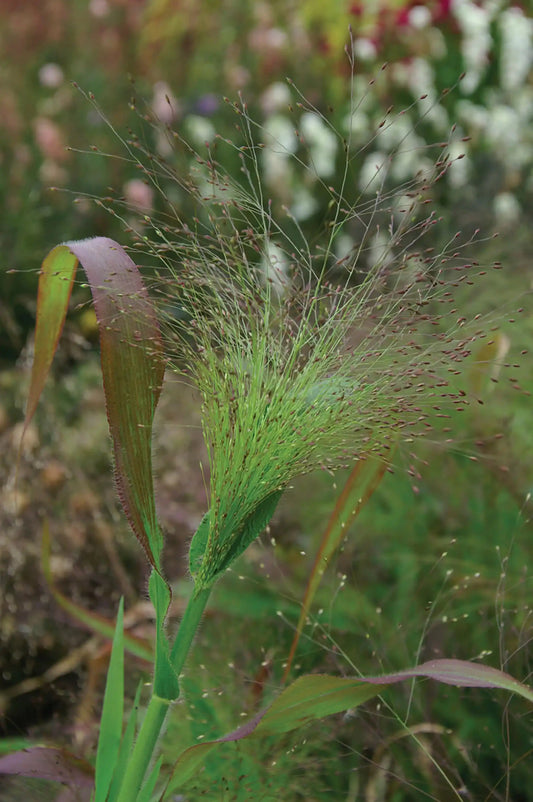
Ornamental Grass - Panicum / Sprinkles (Frosted Explosion)
Regular price $3.95 CADRegular priceUnit price per -

 Returning Soon!
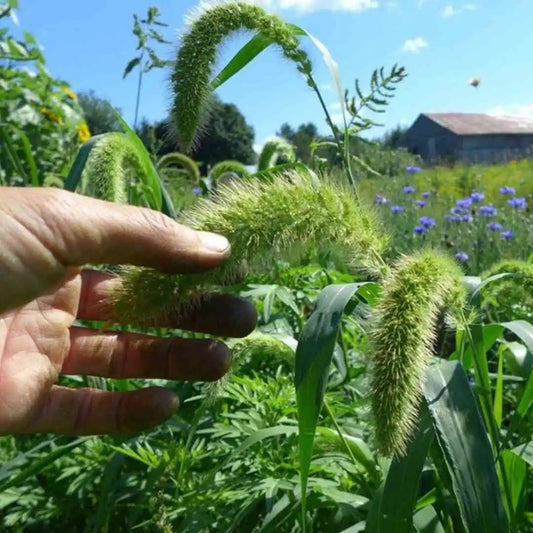
Ornamental Grass - Millet - Lime
Regular price $4.95 CADRegular priceUnit price per -
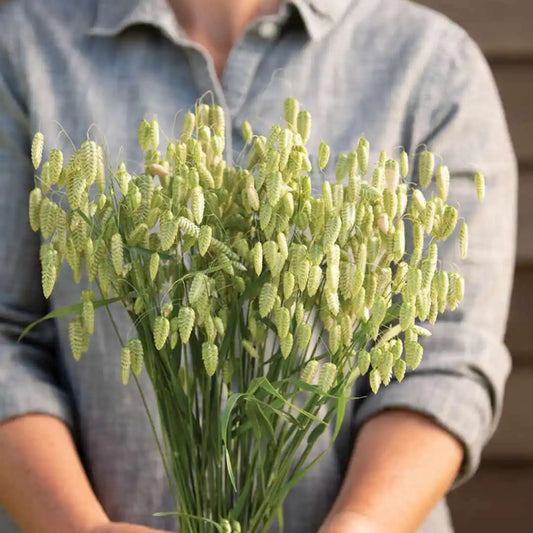
Ornamental Grass - Greater Quaking
Regular price $4.95 CADRegular priceUnit price per -
Ornamental Grass - Feathertop
Regular price $7.95 CADRegular priceUnit price per -

 Back Next Year
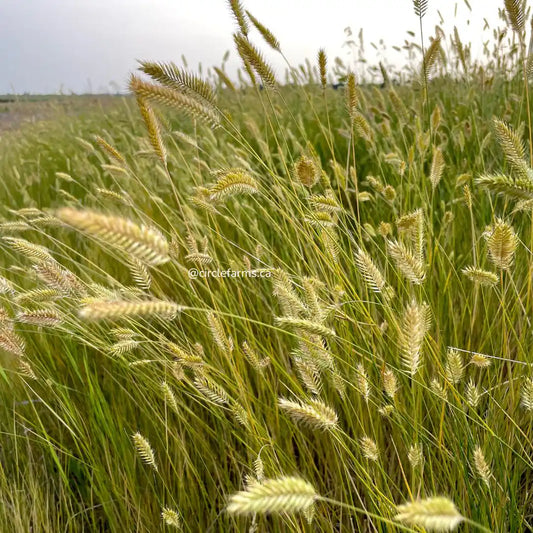
Ornamental Grass - Crested Wheatgrass
Regular price $4.95 CADRegular priceUnit price per -
Ornamental Grass - Millet - Violet
Regular price $4.95 CADRegular priceUnit price per -
 Returning Soon!
Ornamental Grass - Northern Sea Oats
Regular price $6.95 CADRegular priceUnit price per





Collection: Ornamental Grasses
Ornamental Grass Seeds for Canadian Gardens
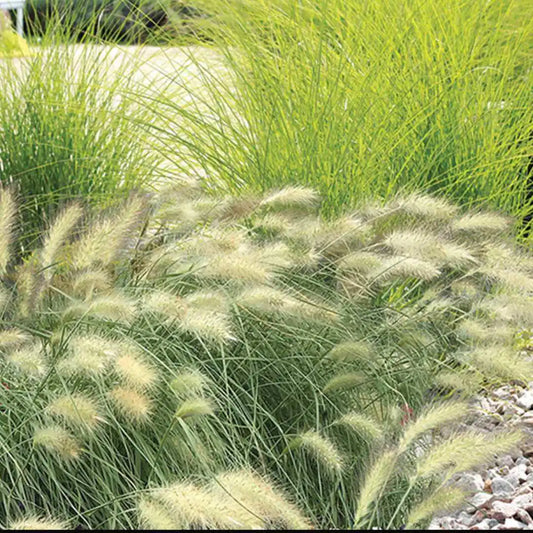
Add movement, texture, height, and year-round interest to garden beds and floral arrangements with our collection of ornamental grasses. These distinctive plants produce flowing foliage, feathery plumes, dangling seed heads, fuzzy spikes, and architectural forms that contrast beautifully with traditional garden flowers.
Growing ornamental grass seeds gives gardeners access to compact annual grasses for containers, tall millet varieties for dramatic borders, delicate grasses for fresh and dried bouquets, and hardy perennial grasses for longer-term landscape plantings.
Our ornamental grasses include soft Bunny Tail Grass, airy Frosted Explosion Panicum, colourful ornamental millet, Greater Quaking Grass, Feathertop, Crested Wheatgrass, and Northern Sea Oats. Some varieties complete their life cycle in one growing season, while others can return for multiple years when suited to the local climate.
Browse the varieties below, explore more bouquet textures in our Filler Flower Seeds collection, or discover additional long-lived plants in our Perennial Plant Seeds collection.
Ornamental Grasses Growing Profile
| Growing Detail | General Information |
|---|---|
| Plant Type | Annual or perennial, depending on the variety |
| Primary Features | Textured foliage, plumes, spikes, panicles, and decorative seed heads |
| Typical Sun Requirements | Full sun for most varieties; selected grasses tolerate part shade |
| Indoor Sowing | Often 4–8 weeks before the final frost, depending on the variety |
| Direct Sowing | After frost for warm-season annuals or according to the individual packet |
| Preferred Soil | Generally well-draining soil; fertility and moisture needs vary |
| Typical Uses | Garden borders, containers, screens, naturalistic plantings, fresh bouquets, and dried arrangements |
| Maintenance | Usually low once established, though annual and perennial care differs |
Why Grow Ornamental Grasses?
Flowers provide colour, but ornamental grasses contribute qualities that flowers alone often cannot. Their narrow foliage, flexible stems, and textured seed heads introduce movement whenever the wind passes through the garden.
Depending on the variety, ornamental grasses can be used to:
- Add vertical structure behind shorter flowers
- Soften the edges of formal garden beds
- Create movement in naturalistic or meadow-style plantings
- Provide green, bronze, lime, purple, gold, or straw-coloured foliage
- Produce textural stems for bouquets
- Create material for dried flowers and craft projects
- Fill containers with lightweight, flowing foliage
- Add seed heads that remain attractive into fall and winter
- Provide seeds or shelter for birds and other wildlife
Educational guides from Penn State Extension on cool-season ornamental grasses and warm-season ornamental grasses explain how grass growth, flowering time, and landscape performance can vary by species.
Choosing the Best Ornamental Grass Seeds
The best ornamental grass depends on whether you want a compact container plant, a tall garden accent, a perennial landscape grass, or stems for floral design. Mature height, hardiness, sunlight, moisture, and growth habit should all be considered before planting.
Bunny Tail Grass
Bunny Tail Ornamental Grass, botanically known as Lagurus ovatus, produces soft, rounded plumes that resemble small rabbit tails. Its compact growth makes it suitable for containers, border edges, children’s gardens, and small cutting beds.
The fuzzy seed heads are especially popular for dried arrangements and craft projects. Harvest them while they are clean and fully formed, then hang the stems in a dry, ventilated location.
Frosted Explosion Panicum
Frosted Explosion Panicum produces fine, airy seed heads that create a shimmering cloud above slender foliage. Its open branching form adds movement and visual softness to bouquets without hiding larger flowers.
This variety can also be used in mixed borders and containers where its delicate texture contrasts with broad leaves and substantial blooms.
Lime Ornamental Millet
Lime Millet Ornamental Grass produces long, fuzzy, light-green spikes on tall plants. Reaching approximately 150 cm under suitable conditions, it creates strong height in garden beds and substantial stems for floral arrangements.
Its green flower spikes work as textural filler alongside colourful zinnias, asters, sunflowers, and dahlias. Mature seed heads may also attract seed-eating birds.
Greater Quaking Grass
Greater Quaking Grass, or Briza maxima, develops dangling seed heads that move and tremble on fine stems. The seed heads begin green and mature toward a golden straw colour.
This annual grass is particularly useful for delicate floral designs. Its narrow stems and nodding seed heads create movement without adding excessive weight to an arrangement.
Feathertop Ornamental Grass
Feathertop Ornamental Grass produces soft, airy plumes that resemble fine feathers. It grows to approximately 60 cm and can be planted in garden borders, containers, or dedicated cutting rows.
The neutral colouring and fluffy texture combine well with bright, pastel, or monochromatic flower palettes. Plants perform in full sun and may also tolerate some partial shade.
Crested Wheatgrass
Crested Wheatgrass, botanically known as Agropyron cristatum, is a hardy perennial grass selected for drought tolerance, low maintenance, and adaptability to relatively poor soil.
Unlike annual bouquet grasses, this variety is better suited to longer-term landscapes, prairie-inspired plantings, erosion-control projects, and naturalized garden areas. Because it is not native to Canada, gardeners should manage it carefully and prevent unwanted spread into surrounding natural habitats.
Northern Sea Oats
Northern Sea Oats, also called River Oats or Wood Oats, produces flat, dangling seed heads that resemble small oat clusters. They begin green and gradually develop bronze tones as the season advances.
This species tolerates more shade than many ornamental grasses and can be used in woodland edges, part-shade gardens, naturalized beds, and floral arrangements. Its mature seed heads may self-sow, so unwanted seedlings should be removed where spreading is not desired.
Annual vs. Perennial Ornamental Grasses
| Feature | Annual Ornamental Grasses | Perennial Ornamental Grasses |
|---|---|---|
| Life Cycle | Germinate, grow, flower, and produce seed in one season | Can return for multiple years when hardy in the local climate |
| Best Uses | Cut flowers, seasonal containers, annual borders, and dried arrangements | Permanent beds, screens, erosion control, and naturalistic landscapes |
| Planting | Usually replanted from seed each spring | Often slower to establish but remains in place longer |
| Winter Care | Plants generally die after frost | Foliage may remain standing before being cut back in spring |
| Seed Production | May self-sow if mature heads are left in place | May spread by seed, clumping growth, or underground structures depending on species |
Bunny Tail, Greater Quaking Grass, and ornamental millet are generally grown as annuals in Canadian gardens. Crested Wheatgrass and Northern Sea Oats are perennial in suitable regions, though winter survival depends on the species, local zone, soil drainage, and exposure.
Warm-Season vs. Cool-Season Grasses
Ornamental grasses can also be categorized by when they produce their strongest growth.
Cool-season grasses begin active growth during cool spring weather and may flower earlier in the year. They can slow down during intense summer heat and resume growth when temperatures moderate.
Warm-season grasses remain relatively slow during cool spring conditions before growing rapidly as the soil and air become warmer. They often produce their most decorative flower or seed heads from midsummer into fall.
Understanding this difference helps gardeners avoid assuming a warm-season grass has failed simply because it remains small during early spring.
How to Grow Ornamental Grass From Seed
Growing methods vary significantly by species, so always follow the directions included with the individual seed packet. Some ornamental grasses germinate rapidly in warm soil, while perennial species may require more time or a cool treatment before germination.
A general indoor seed-starting method includes:
- Fill clean containers with moist seed-starting mix.
- Sow seeds at the depth recommended for the variety.
- Keep the mix evenly moist without saturating it.
- Provide suitable warmth during germination.
- Move seedlings beneath strong light after emergence.
- Maintain airflow around the young plants.
- Transplant into larger cells if roots become crowded.
- Harden seedlings off before permanent outdoor planting.
Starting Ornamental Grass Seeds Indoors
Annual ornamental grasses are commonly started indoors approximately 4–6 weeks before the final expected frost. This gives them a head start while avoiding the stretched growth that can result from starting too early.
Provide bright overhead light once seedlings emerge. Weak indoor light can cause grasses to become thin, pale, and unable to support mature seed heads.
Perennial grasses may grow more slowly and may not reach full ornamental size during their first season. Their initial year is often devoted to developing roots and establishing a stable clump.
Direct Sowing Ornamental Grass Seeds
Many annual grasses can be direct sown after frost danger has passed. Prepare a loose, weed-free bed and sow according to the packet’s recommended depth and spacing.
Keep the upper soil consistently moist until seedlings establish. Small grass seedlings can resemble ordinary lawn grass or weeds, so mark the planting area carefully.
Succession sowing selected annual varieties every few weeks can extend the harvest period for fresh bouquet stems.
Sunlight and Soil Requirements
Most ornamental grasses produce their strongest stems, best colouring, and most abundant seed heads in full sun. Plants grown with insufficient light may stretch or lean.
Northern Sea Oats and selected other species tolerate part shade, making them useful where sun-loving ornamental millet would not perform as well.
Soil requirements vary, but good drainage is important for most varieties. Annual grasses usually grow well in average garden soil, while some drought-tolerant perennial grasses prefer leaner conditions and may become weak in heavily fertilized ground.
Watering and Fertilizing
Keep newly planted seeds and transplants consistently moist while roots become established. Once mature, drought tolerance varies by species.
Container-grown grasses require more frequent watering because the limited soil volume can dry rapidly. Check pots regularly during hot or windy weather.
Use fertilizer conservatively. Excessive nitrogen can cause tall grasses to develop soft growth that bends or falls. Compost added before planting is often enough for annual varieties in reasonably fertile soil.
Growing Ornamental Grasses in Containers
Compact ornamental grasses can add height and movement to patio pots, balcony gardens, window boxes, and seasonal mixed containers.
Bunny Tail Grass and Feathertop are especially useful in containers because their smaller size is easier to manage. Taller millet varieties require larger, heavier pots that provide enough root space and resist tipping in wind.
Use a container with drainage holes and quality potting mix. Pair grasses with trailing flowers, compact annuals, or foliage plants, but leave enough room for each plant to reach its mature width.
Ornamental Grasses for Cut Flowers
Grass stems introduce movement and texture into arrangements. They can serve as neutral filler, create a loose garden style, or provide strong architectural lines.
Useful cutting varieties include:
- Bunny Tail Grass for soft rounded plumes
- Frosted Explosion for airy branching texture
- Lime Millet for substantial fuzzy spikes
- Greater Quaking Grass for delicate dangling seed heads
- Feathertop for soft feathery plumes
- Northern Sea Oats for flat oat-like seed clusters
Harvest stems during a cool part of the day after the seed heads have developed their characteristic form. Remove lower foliage and place fresh stems into clean water promptly.
Drying Ornamental Grasses
Many ornamental grasses retain their shape after drying. Harvest before the seed heads become brittle or begin shedding heavily.
Tie the stems into small bundles and hang them upside down in a dark, dry, well-ventilated location. Large bundles can trap moisture, so keep them loose enough for air to circulate.
Dried grasses can be used in wreaths, seasonal arrangements, dried bouquets, and botanical craft projects. Explore additional materials in our Flower Seeds collection.
Managing Self-Seeding and Spread
Some ornamental grasses self-sow when mature seed heads remain outdoors. Self-seeding may be welcome in a naturalistic garden but undesirable in a formal bed or near natural habitats.
To limit spreading:
- Harvest seed heads before seeds mature.
- Remove unwanted seedlings while they are small.
- Grow potentially spreading varieties in managed containers.
- Avoid disposing of mature seed heads in open natural areas.
- Research local recommendations before planting non-native perennial grasses.
Common Ornamental Grass Problems
| Problem | Possible Cause | Recommended Action |
|---|---|---|
| Seeds do not germinate | Incorrect temperature, depth, moisture, or required seed treatment | Review the packet and maintain appropriate conditions |
| Seedlings are thin and weak | Insufficient light or overcrowding | Increase light and thin crowded seedlings |
| Tall stems fall over | Wind, excess nitrogen, shade, or inadequate spacing | Improve sunlight, reduce fertilizer, and add support |
| Few seed heads form | Too much shade, immaturity, or unsuitable growing conditions | Confirm the variety’s light and maturity requirements |
| Perennial grass does not return | Unsuitable hardiness, wet winter soil, or weak establishment | Check the zone and improve drainage |
| Grass spreads beyond its bed | Self-seeding or a spreading root system | Remove seed heads and unwanted growth promptly |
Quick Ornamental Grass Planting Instructions
- Choose a variety suited to your climate and intended use.
- Check whether it is annual or perennial.
- Start indoors or direct sow according to the packet.
- Provide strong light after germination.
- Harden indoor-grown seedlings off gradually.
- Plant most varieties in full sun and well-draining soil.
- Water consistently while plants establish.
- Avoid excessive nitrogen fertilizer.
- Harvest seed heads for fresh or dried arrangements.
- Remove mature heads when self-seeding is not desired.
Ornamental Grasses FAQs
Can ornamental grasses be grown from seed?
Yes. Many annual and perennial ornamental grasses can be grown from seed. Germination speed, seed treatment, and time to maturity vary significantly by species.
When should ornamental grass seeds be planted?
Warm-season annual grasses are generally started indoors several weeks before the final frost or direct sown afterward. Cool-season and perennial grasses may have different requirements.
Do ornamental grasses come back every year?
Perennial ornamental grasses can return when hardy in the local climate. Annual grasses complete their life cycle in one season and must be replanted unless they self-sow.
Do ornamental grasses need full sun?
Most produce their strongest growth in full sun. Northern Sea Oats and selected other varieties tolerate partial shade.
Can ornamental grasses grow in pots?
Yes. Compact grasses work particularly well in containers. Tall varieties require large, stable pots with adequate drainage.
Which ornamental grasses are best for dried flowers?
Bunny Tail, Greater Quaking Grass, Feathertop, millet, and Northern Sea Oats all produce decorative seed heads that can be dried.
Do ornamental grasses need a lot of water?
Water needs vary. Young plants require consistent moisture, while many established perennial grasses tolerate dry conditions. Container plants dry faster than garden-grown grasses.
Should ornamental grasses be cut back?
Annual grasses can be removed after frost. Perennial grasses are often left standing through winter and cut back before new spring growth begins.
Do ornamental grasses spread?
Some form controlled clumps, while others self-seed or spread through underground structures. Research the individual species and manage unwanted growth promptly.
Are ornamental grasses good for bouquets?
Yes. Their seed heads and plumes add texture, height, movement, and neutral colour to fresh and dried floral arrangements.
Buy Ornamental Grass Seeds in Canada
Shop ornamental grass seeds in Canada for containers, mixed borders, naturalistic landscapes, cutting gardens, dried flowers, and seasonal arrangements. Choose compact fuzzy plumes, tall millet spikes, airy panicles, dangling oat-like seed heads, or hardy perennial grasses.
Browse all varieties in this Ornamental Grasses collection, discover more bouquet materials in our Filler Flower Seeds collection, or explore additional specialty plants in our More Seeds collection.

