
-
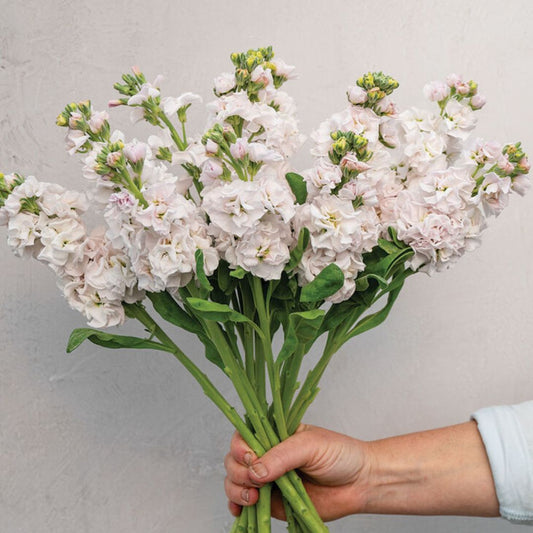
Stock Seeds - Stox Silver
Prix habituel $7.95 CADPrix habituelPrix unitaire par -
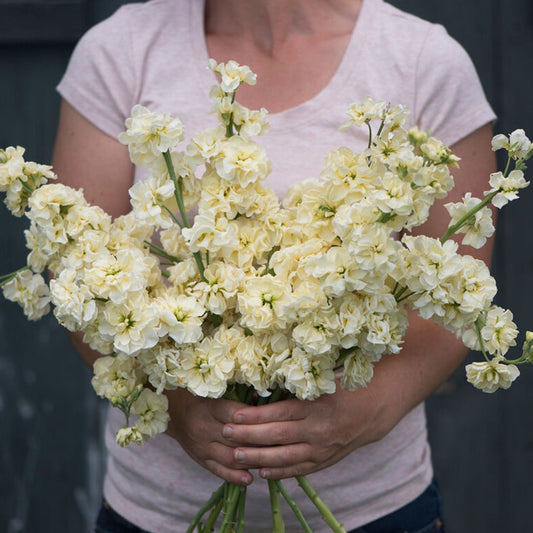
Stock Seeds - Katz Yellow
Prix habituel $7.95 CADPrix habituelPrix unitaire par -
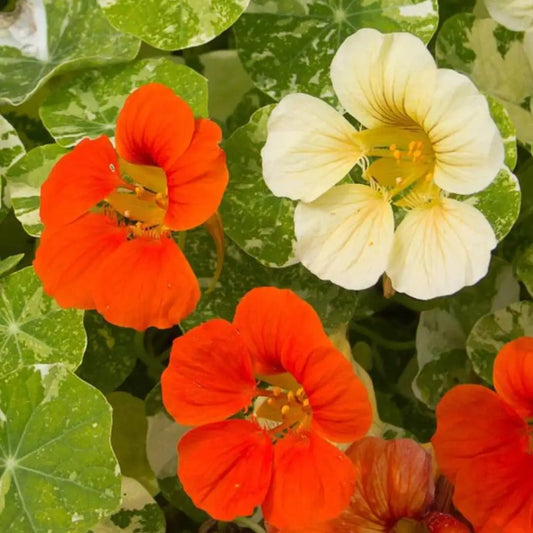
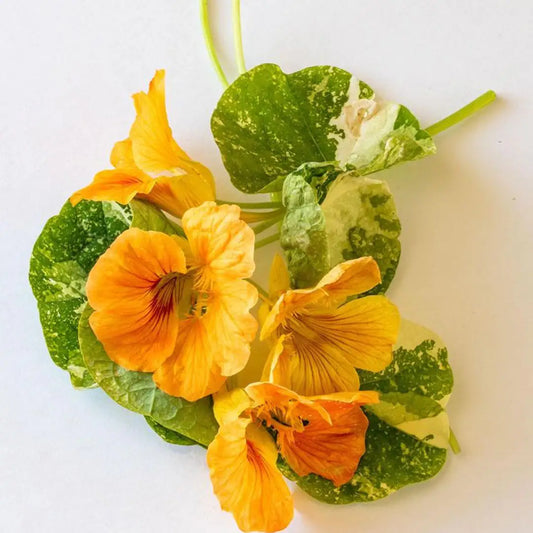
Nasturtium Seeds – Tip Top Alaska Mix
Prix habituel $6.95 CADPrix habituelPrix unitaire par -
Zinnia Seeds - Dwarf Thumbelina Mix
Prix habituel $4.95 CADPrix habituelPrix unitaire par -
Pumpkin Seeds - Pumpkin On A Stick
Prix habituel $4.95 CADPrix habituelPrix unitaire par -
Strawflower Seeds - King-Size Salmon
Prix habituel $4.95 CADPrix habituelPrix unitaire par -
Cleome Seeds - Spider Flower Light Pink
Prix habituel $3.95 CADPrix habituelPrix unitaire par -
Sunflower Seeds - Claret Red F1
Prix habituel $5.95 CADPrix habituelPrix unitaire par -
Ageratum Seeds - Timeless Mix
Prix habituel $7.95 CADPrix habituelPrix unitaire par -
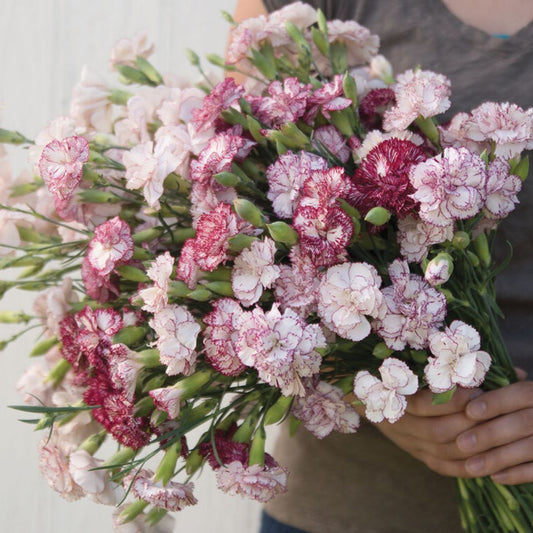
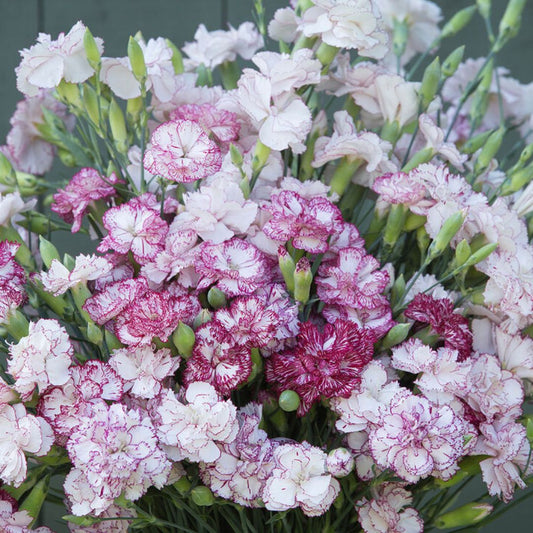
Carnation Seeds - Chabaud Benigna Dianthus
Prix habituel $5.95 CADPrix habituelPrix unitaire par -
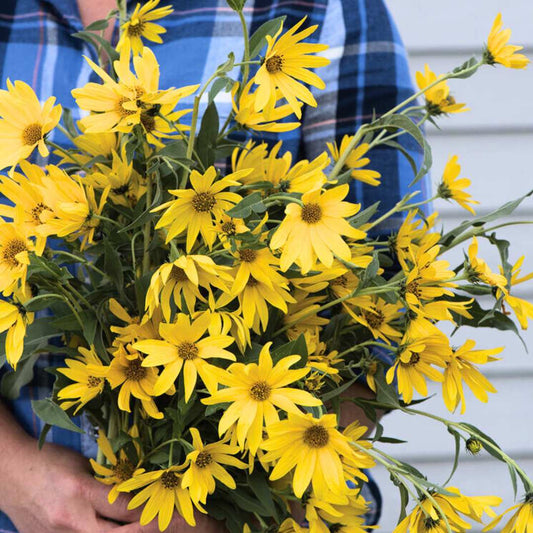
Sunflower Seeds - Maximillian (Perennial)
Prix habituel $6.95 CADPrix habituelPrix unitaire par -
Foxglove Seeds - Camelot Cream (Pelleted)
Prix habituel $11.95 CADPrix habituelPrix unitaire par -
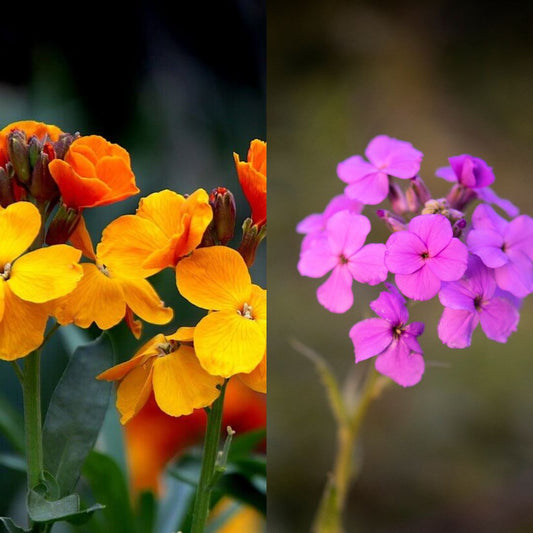
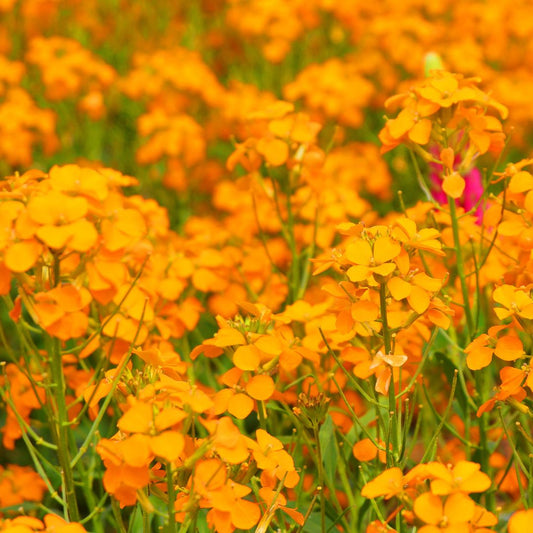
Wallflower Seed Mix
Prix habituel $3.95 CADPrix habituelPrix unitaire par -
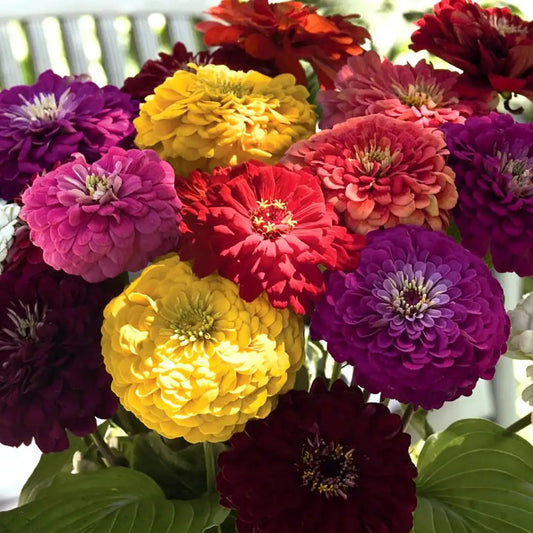
Zinnia Seeds - Benary Giant Elegans & Cactus Mix
Prix habituel $6.95 CADPrix habituelPrix unitaire par -
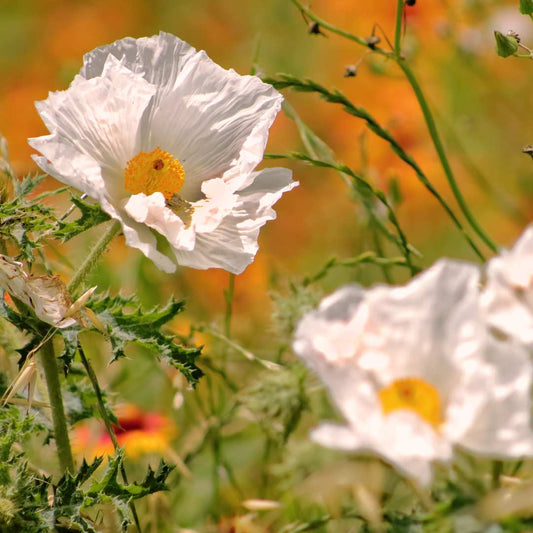
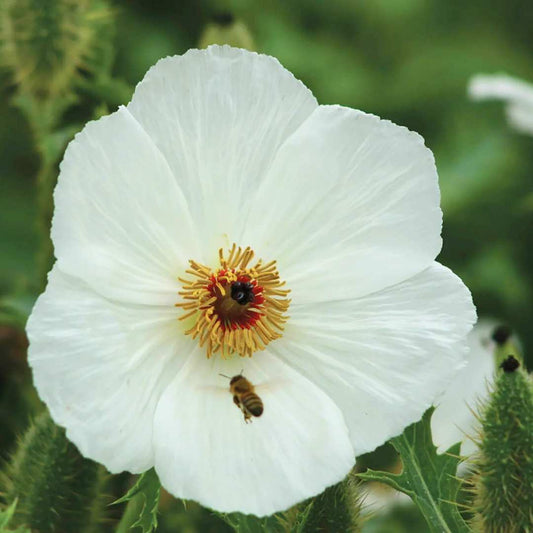
Poppy Seeds - Prickly White
Prix habituel $4.95 CADPrix habituelPrix unitaire par -
Foxglove Seeds - Camelot White (Pelleted)
Prix habituel $11.95 CADPrix habituelPrix unitaire par -
Lupine Seeds - The Governor
Prix habituel $5.95 CADPrix habituelPrix unitaire par -
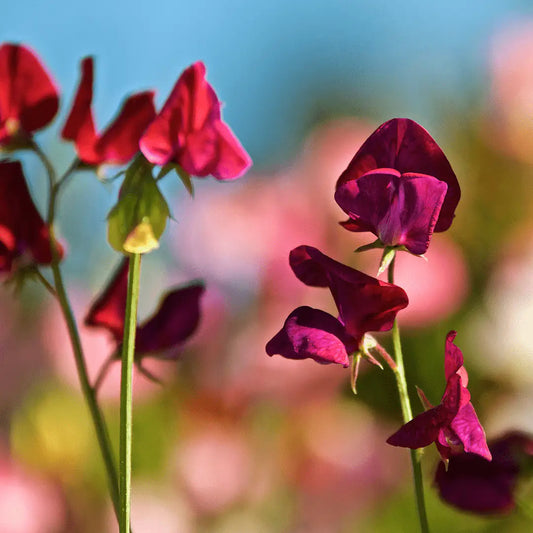
Sweet Pea Seeds - High Scent & Pink Mix
Prix habituel $6.95 CADPrix habituelPrix unitaire par -
Feverfew Seeds - Magic Lime Green (Organic)
Prix habituel $15.95 CADPrix habituelPrix unitaire par -
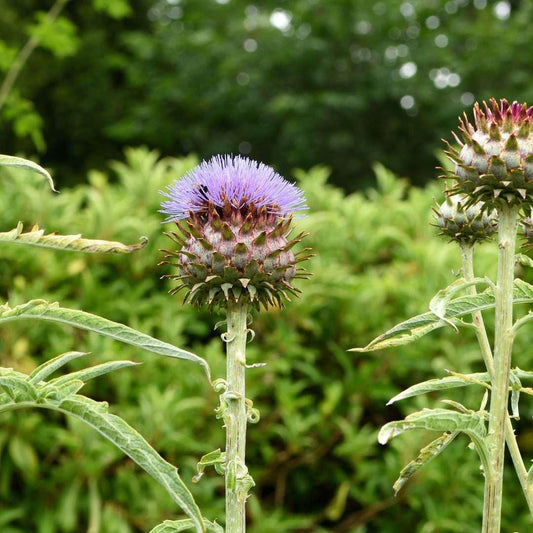
Cardoon Artichoke Thistle
Prix habituel $4.95 CADPrix habituelPrix unitaire par -
Nasturtium Seeds – Tip Top Alaska Salmon
Prix habituel $6.95 CADPrix habituelPrix unitaire par -
Echinacea Seeds - Pale Purple (Narrow Leaf)
Prix habituel $4.95 CADPrix habituelPrix unitaire par -
Lupine Seeds - Russell's Blue
Prix habituel $5.95 CADPrix habituelPrix unitaire par -
Nasturtium Seeds - Whirlybird Mix
Prix habituel $6.95 CADPrix habituelPrix unitaire par

















Collection: Flower Seeds
Flower Seeds for Canadian Gardens
Grow a garden filled with colour, fragrance, pollinators, and flowers for cutting with our collection of flower seeds. Circle Farms offers annual, perennial, heirloom, open-pollinated, native, and specialty flower varieties selected for gardens across Canada.
Starting flowers from seed gives you access to far more colours, shapes, heights, and growing habits than purchasing established plants alone. Choose fast-growing annuals for colour this season, hardy perennials that can return in future years, climbing flowers for fences and arches, compact plants for containers, or productive varieties for bouquets.
Our flower seeds in Canada include familiar garden favourites such as sunflowers, zinnias, cosmos, marigolds, sweet peas, poppies, calendula, asters, snapdragons, rudbeckia, yarrow, and many more. Whether you are creating your first flower bed or planning a dedicated cutting garden, you can select varieties suited to your available sunlight, climate, space, and growing goals.
Browse the flower seed varieties below, explore our Heirloom Flower Seeds, or discover flowers that can be planted directly outdoors in our Direct-Sow Flower Seeds collection.
Why Grow Flowers From Seed?
Growing flowers from seed is an affordable way to fill a larger area with blooms and experiment with varieties that may not be available as nursery plants. One flower seed pack can produce multiple plants, allowing gardeners to create colourful borders, pollinator patches, cutting beds, containers, or naturalized spaces.
Starting with seed also gives you more control over planting time and variety selection. You can choose flowers based on mature height, bloom colour, fragrance, vase life, pollinator value, or whether the plant is an annual or perennial.
Benefits of growing flowers from seed include:
- Access to a wider selection of colours and uncommon varieties
- The ability to grow many plants from a single flower seed pack
- More choice between annual, perennial, heirloom, and native flowers
- Opportunities to create succession plantings for longer bloom periods
- Varieties selected specifically for bouquets and cutting gardens
- Flowers that provide pollen, nectar, seeds, or shelter for wildlife
- The option to save seed from suitable open-pollinated varieties
Choosing Flower Seeds for Canadian Climates
Canada contains a wide range of climates, from mild coastal regions to short-season Prairie gardens and cold northern growing zones. The best flower seeds for Canada depend on your local frost dates, summer temperatures, sunlight, soil, and winter hardiness zone.
Annual flowers complete their life cycle in one season, so they can often be grown across many Canadian regions as long as they have enough frost-free days to mature. Perennial flowers must also be hardy enough to survive the winter conditions in your location if you expect them to return.
Before selecting a variety, check:
- Your approximate final spring and first fall frost dates
- The number of frost-free growing days in your region
- Whether the location receives full sun, part sun, or shade
- The mature height and width of the plant
- Whether seeds should be started indoors or direct sown
- The plant’s perennial hardiness zone, when applicable
- Whether the variety needs support, staking, or a trellis
For more regional information, read our complete guide to choosing and growing flower seeds in Canada.
Annual Flower Seeds
Annual flower seeds produce plants that germinate, grow, flower, and complete their life cycle within one growing season. Many annuals bloom heavily because their goal is to produce seed before the season ends.
Annuals are useful for filling new garden beds quickly, adding colour around perennials, creating seasonal container displays, and growing flowers for frequent cutting. Some annuals may self-seed, but gardeners should not depend on every variety returning the following year.
Popular annual flowers include:
- Zinnias
- Cosmos
- Sunflowers
- Marigolds
- Sweet peas
- Calendula
- Nasturtiums
- Annual poppies
- Strawflowers
- Bachelor’s buttons
For vivid salmon-pink cut flowers, consider Oklahoma Salmon Zinnia Seeds. Gardeners seeking soft apricot tones can grow Apricotta Cosmos Seeds, while Strawberry Blonde Marigold Seeds produce compact flowers in changing coral, pink, cream, and gold shades.
Perennial Flower Seeds
Perennial flower seeds produce plants capable of living for more than one growing season when the variety is hardy in your climate and receives suitable care. Many perennials spend their first season developing roots and foliage before producing their strongest flower display in later years.
Growing perennials from seed requires more patience than planting fast annuals, but it can be an economical way to establish a long-term flower border, pollinator garden, meadow, or naturalized planting.
Depending on the species, perennial seeds may require cold stratification, light exposure, or a long germination period. Always follow the individual packet instructions rather than treating every flower seed the same way.
Examples of perennial flowers commonly grown from seed include:
- Yarrow
- Rudbeckia
- Echinacea
- Columbine
- Gaillardia
- Liatris
- Milkweed
- Coreopsis
- Lupine
- Hollyhock, which may be biennial or short-lived perennial depending on the variety
Winter survival is never determined by the word “perennial” alone. Confirm the variety’s hardiness zone and compare it with your local conditions before planting.
Fast-Growing Flower Seeds
Gardeners searching for flower seeds that grow fast should choose varieties that germinate readily, tolerate direct sowing, and reach flowering size within a relatively short season.
Cosmos, zinnias, calendula, nasturtiums, bachelor’s buttons, and many sunflowers are popular choices for relatively quick results. Exact bloom time depends on variety, temperature, sunlight, soil, and planting date.
| Flower Type | Why Gardeners Choose It | Common Uses |
|---|---|---|
| Cosmos | Easy direct sowing and a long flowering period | Informal borders, pollinator gardens, and bouquets |
| Zinnias | Fast warm-season growth and repeated blooms after cutting | Cutting gardens, beds, and containers |
| Sunflowers | Large seeds, rapid growth, and strong visual impact | Cut flowers, screens, pollinator plantings, and bird gardens |
| Calendula | Tolerates cool conditions and is beginner friendly | Borders, containers, and cottage gardens |
| Marigolds | Reliable summer colour and good container performance | Edging, raised beds, pots, and mass plantings |
| Nasturtiums | Large seeds and easy direct sowing | Containers, borders, hanging displays, and ground cover |
Best Flower Seeds for Beginner Gardeners
The best beginner varieties are forgiving, germinate reliably, and do not require complicated indoor seed-starting equipment. Large seeds are also easier to handle and place at the correct depth.
Good choices for a first flower garden include:
- Sunflowers: Large seeds and rapid warm-weather growth
- Zinnias: Productive plants with repeated flowers when cut or deadheaded
- Cosmos: Performs well in ordinary soil and flowers over a long period
- Marigolds: Dependable colour for beds and containers
- Calendula: Tolerates cool spring conditions
- Nasturtiums: Easy to direct sow and available in climbing or compact forms
- Bachelor’s buttons: Suitable for informal plantings and pollinator gardens
Browse our Sunflower Seeds and Cosmos Seeds for beginner-friendly options. For a distinctive pale cut flower, explore ProCut White Nite Sunflower Seeds.
Flower Seeds for Cut-Flower Gardens
A cut-flower garden is planted specifically to produce stems for bouquets and arrangements. The best cut flowers generally have strong stems, attractive colours, useful vase life, and the ability to produce multiple blooms.
Cut-and-come-again varieties such as many zinnias, cosmos, snapdragons, and branching sunflowers can produce more flowering stems after harvesting. Single-stem sunflowers produce one primary flower per plant, so succession planting is useful when a continuous harvest is desired.
To create balanced bouquets, combine:
- Focal flowers: Sunflowers, zinnias, dahlias, or large asters
- Spike flowers: Snapdragons, larkspur, or celosia
- Airy flowers: Cosmos or ornamental grasses
- Fragrant flowers: Sweet peas
- Filler flowers: Ammi, dill, statice, or small clustered blooms
Explore our Filler Flower Seeds for textural flowers and foliage that complement larger blooms.
Flower Seeds for Pollinators
Flowers can provide pollen and nectar for bees, butterflies, moths, flies, beetles, hummingbirds, and other pollinators. A diverse planting with overlapping bloom times can provide resources over a longer part of the growing season.
Rather than planting only one flower type, combine several colours, shapes, heights, and flowering periods. Native plants can be especially valuable because they may support pollinators and other wildlife adapted to your local ecosystem.
Good pollinator-garden choices may include:
- Milkweed
- Bee’s friend
- Cosmos
- Sunflowers that produce pollen
- Rudbeckia
- Echinacea
- Yarrow
- Gaillardia
- Calendula
- Native wildflowers appropriate for your region
Browse our Pollinator Plants collection for bee- and butterfly-friendly options. For additional information about supporting Canadian pollinators, visit the Parks Canada guide to planting for pollinators and Health Canada’s pollinator protection information.
How to Choose Flower Seeds for Sun or Shade
Most heavily flowering annuals perform best in full sun, generally meaning at least six hours of direct sunlight per day. Sunflowers, zinnias, cosmos, and many marigolds usually produce their strongest growth and most abundant flowers in sunny locations.
A garden with limited direct sunlight can still support flowers, but the selection should be based on the actual light available. Part-sun locations may suit varieties such as columbine, forget-me-nots, certain poppies, calendula, and some native woodland flowers.
Before purchasing, observe the planting area at several times during the day:
- Full sun: Six or more hours of direct sunlight
- Part sun: Approximately four to six hours of direct sunlight
- Part shade: Limited direct sun, often in the morning or late afternoon
- Full shade: Little or no direct sunlight
Browse our Part-Sun Plants when selecting flowers for areas that receive less than a full day of direct sunlight.
How to Grow Flower Seeds
Because flower species vary widely, the instructions printed on the individual seed packet should always take priority. Some seeds need darkness, while others require light to germinate. Some benefit from cold stratification, and others need warm soil.
The following process works as a general starting point for many garden flowers:
- Choose a variety suited to your climate, light, and available space.
- Check whether it should be started indoors or planted directly outside.
- Prepare loose, well-draining soil and remove competing weeds.
- Sow seeds at the depth listed on the packet.
- Keep the soil consistently moist during germination.
- Provide strong light immediately after indoor seedlings emerge.
- Thin crowded outdoor seedlings to the recommended spacing.
- Harden indoor-grown plants off before transplanting.
- Water newly planted seedlings until their roots become established.
- Deadhead or harvest flowers regularly when appropriate.
Starting Flower Seeds Indoors
Indoor seed starting gives slow-growing and heat-loving flowers a head start before outdoor conditions become warm enough. Fill clean trays or containers with seed-starting mix, sow at the recommended depth, and maintain suitable moisture and temperature.
Once seedlings emerge, provide strong overhead light. A bright window may not supply enough light during late winter, particularly in northern regions. Seedlings that stretch toward light can become thin and weak.
Before moving plants permanently outdoors, harden them off gradually over approximately one week. Begin in a sheltered location and slowly increase exposure to sunlight, wind, and outdoor temperatures.
Direct Sowing Flower Seeds
Direct sowing means planting seeds where the flowers will grow. This method works especially well for varieties that germinate quickly, dislike transplanting, or need little protection from cool conditions.
Prepare the planting area before sowing and keep the surface evenly moist until seedlings become established. Fine seeds can be displaced by forceful watering, so use a gentle spray.
For suitable varieties, visit our Flowers to Direct Seed in Canada collection.
Flower Seed Packs and Garden Planning
A flower seeds pack may contain only a small number of large specialty seeds or hundreds of tiny seeds, depending on the species. Seed count alone does not indicate how much garden space a packet can fill.
Before ordering, consider the germination rate, recommended spacing, mature plant width, and whether you plan to sow extra seeds as insurance. A packet containing 25 large sunflower seeds serves a different purpose from a packet containing hundreds of tiny poppy or alyssum seeds.
When planning a larger flower bed, sketch the space and organize plants by mature height:
- Place tall flowers at the back of borders or in the centre of island beds.
- Use medium-height flowers to create the main body of the planting.
- Add compact flowers along edges and pathways.
- Keep climbing varieties near their trellis or support.
- Leave enough space for airflow and mature plant width.
Succession Planting for More Flowers
Succession planting means sowing several smaller batches instead of planting the entire packet at once. This is especially useful for single-stem sunflowers and other flowers with a concentrated bloom period.
Depending on the variety and length of your growing season, sow another batch every one to three weeks. Later sowings should still have enough frost-free time to reach maturity before autumn.
For cut-and-come-again flowers, regular harvesting may be more important than repeated sowing. Zinnias, cosmos, and branching varieties often continue producing when blooms are removed before they form mature seeds.
Common Flower-Seed Problems
| Problem | Possible Cause | What to Do |
|---|---|---|
| Seeds do not germinate | Incorrect temperature, depth, moisture, or seed treatment | Review the packet and confirm whether light or stratification is required |
| Seedlings become tall and thin | Insufficient indoor light | Move seedlings under stronger overhead lighting |
| Seedlings disappear outdoors | Slugs, birds, rodents, insects, or weather damage | Inspect the area and add suitable temporary protection |
| Plants produce leaves but few flowers | Excess nitrogen, insufficient sun, or overcrowding | Review fertilizer use, sunlight, and spacing |
| Flowering stops early | Heat, drought, or mature seed formation | Water consistently and deadhead varieties that respond to cutting |
| Perennials do not return | Unsuitable hardiness zone, wet winter soil, or immature plants | Confirm the variety’s zone and improve winter drainage where needed |
Flower Seeds FAQs
Where can I buy flower seeds online in Canada?
Canadian gardeners can purchase flower seeds directly from Circle Farms through this online collection. Compare each variety’s growing requirements, mature size, seed count, bloom type, and recommended planting method before ordering.
What are the best flower seeds for beginners?
Sunflowers, cosmos, zinnias, calendula, marigolds, nasturtiums, and bachelor’s buttons are popular beginner choices because many varieties germinate readily and require relatively straightforward care.
What flower seeds grow fast?
Many sunflowers, cosmos, zinnias, calendula, and nasturtiums grow quickly in suitable conditions. Actual time to flowering depends on the specific variety, temperature, sunlight, planting date, and care.
When should flower seeds be planted in Canada?
Planting time depends on the species and your local frost dates. Cool-season flowers may be planted in early spring, while frost-sensitive flowers should be planted after frost danger has passed. Slow-growing varieties can be started indoors several weeks earlier.
Can I plant flower seeds directly outside?
Yes, many flowers can be direct sown. Cosmos, sunflowers, calendula, bachelor’s buttons, nasturtiums, and some poppies are common examples. Check the packet because not every variety uses the same planting method.
What is the difference between annual and perennial flower seeds?
Annuals complete their life cycle in one season. Perennials can live for multiple years when suited to the local hardiness zone and growing conditions.
Do perennial flowers bloom in their first year?
Some do, but many perennial flowers focus on root and foliage growth during their first season and produce a stronger display in the second year.
What flower seeds are best for pollinators?
Choose a diverse mix of native plants and pollen- or nectar-producing flowers with different bloom times. Milkweed, bee’s friend, sunflowers, cosmos, rudbeckia, echinacea, yarrow, and gaillardia are useful options depending on your region.
Can flower seeds grow in containers?
Yes. Compact marigolds, nasturtiums, calendula, dwarf sunflowers, alyssum, and other smaller varieties can grow in containers. Match the pot size to the mature plant and ensure it has drainage holes.
How often should newly planted flower seeds be watered?
Keep the seedbed consistently moist during germination without saturating it. Once seedlings establish deeper roots, water less frequently but more thoroughly according to the needs of the variety and weather.
Can I save seeds from my flowers?
Seeds can be saved from many open-pollinated and heirloom flowers. Hybrids may not reproduce the same characteristics, and varieties growing close together may cross-pollinate.
How should unused flower seeds be stored?
Store seeds in a cool, dry, dark location inside clearly labelled containers. Protect them from humidity, large temperature changes, insects, and rodents.
Buy Flower Seeds in Canada
Shop flower seeds in Canada for annual displays, perennial borders, pollinator gardens, cutting gardens, containers, trellises, and naturalized spaces. Choose varieties based on your climate, sunlight, available growing space, and the kind of garden you want to create.
Explore all flower varieties in this collection, compare traditional options in our Heirloom Flower Seeds collection, or shop Sweet Pea Seeds for fragrant climbing flowers.

