Collection: Tomato Seeds

Seed Tomato Varieties for Canadian Gardens

Grow flavourful tomatoes at home with our collection of seed tomato varieties selected for Canadian vegetable gardens, raised beds, patios, containers, and greenhouses. From sweet cherry tomatoes to substantial beefsteaks and productive paste tomatoes, starting tomatoes from seed gives you access to colours, flavours, shapes, and growing habits that are rarely available as ordinary nursery plants.

Our tomato seed collection includes organic, heirloom, hybrid, indeterminate, and compact varieties. Choose richly flavoured slicing tomatoes for sandwiches, productive cherry tomatoes for snacking, meaty paste tomatoes for sauces, or compact plants designed for containers and limited growing spaces.

Tomatoes require a relatively long growing season, so Canadian gardeners usually start their tomato seeds indoors before spring. With warmth, strong light, proper transplanting, and consistent summer care, even gardeners in cooler climates can enjoy a generous harvest of homegrown tomatoes.

Browse the tomato varieties below or explore our complete Vegetable Seeds collection to plan the rest of your garden.

Tomato Growing Profile

Growing Detail General Information
Common Name Tomato
Botanical Name Solanum lycopersicum
Plant Type Warm-season tender perennial generally grown as an annual
Indoor Sowing Approximately 6–8 weeks before the final expected frost
Typical Germination Time Approximately 5–14 days under warm conditions
Typical Sowing Depth Approximately ¼ inch deep
Sun Requirements Full sun, ideally 6–8 or more hours daily
Preferred Soil Fertile, well-draining soil rich in organic matter
Outdoor Planting After frost danger has passed and nights are consistently mild
Best Uses Fresh eating, salads, sauces, roasting, canning, sandwiches, and snacking

Choosing the Best Tomato Seeds

The best variety depends on your available space, local growing season, preferred flavour, and how you plan to use the harvest. Before selecting a seed tomato variety, consider whether the plant is determinate or indeterminate and whether its fruit is intended primarily for slicing, snacking, sauces, or preserving.

Cherry Tomato Seeds

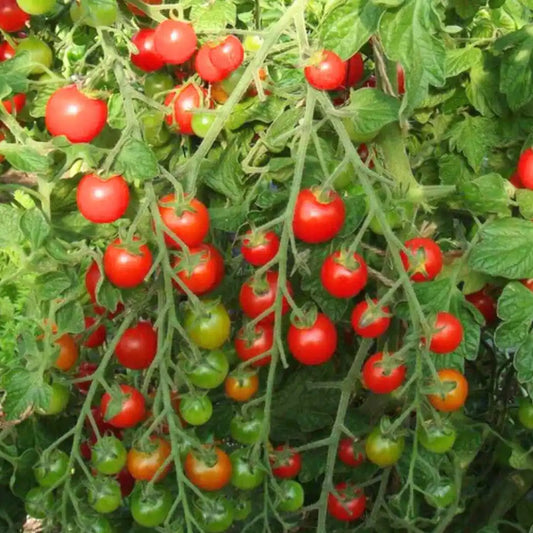
Cherry tomatoes produce small, sweet fruits that are excellent for fresh eating, salads, lunchboxes, and garden snacking. Many cherry varieties are highly productive and continue setting fruit over an extended period.

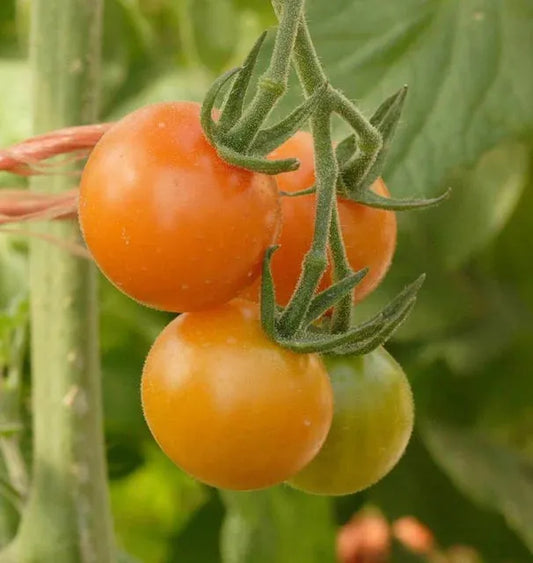
Sweetie Cherry Tomato is an organic variety producing abundant clusters of small red fruits. For intense sweetness and golden-orange colour, consider Sungold Cherry Tomato. Gardeners seeking heavy yields can also grow Sweet Million Cherry Tomato.

Beefsteak and Slicing Tomatoes

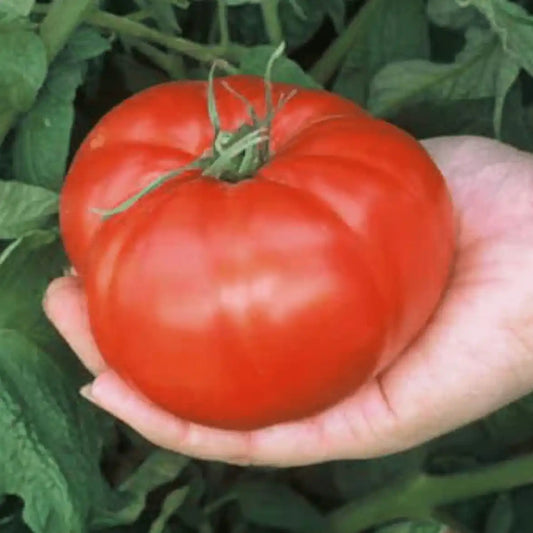
Beefsteak and slicing tomatoes produce larger fruits with substantial flesh. They are popular for sandwiches, burgers, salads, fresh tomato platters, and summer meals where the tomato is the main ingredient.

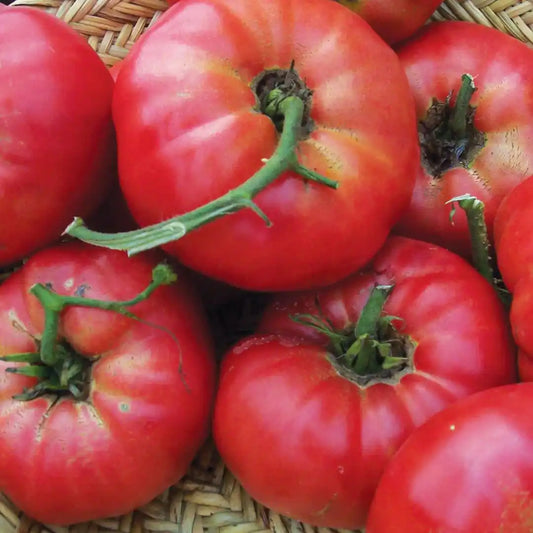
Mortgage Lifter Organic Tomato is a classic heirloom beefsteak variety known for producing large, meaty fruits. Pink Brandywine Tomato offers rich heirloom flavour and large pink fruit, while Yellow Brandywine Tomato brings warm colour and a distinctive flavour to the garden.

Dark and Unusual Tomatoes

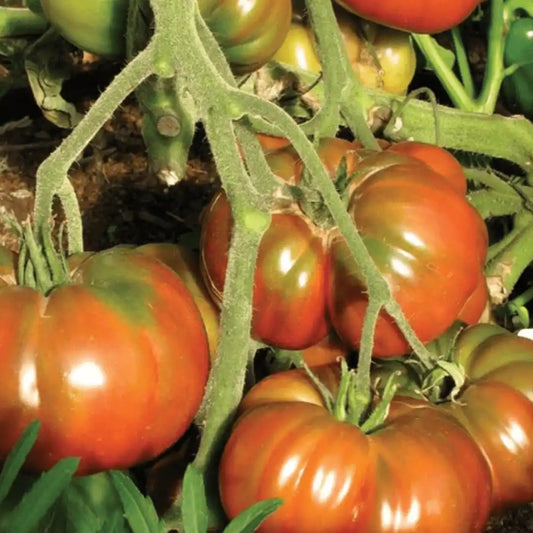
Tomato varieties are available in red, pink, orange, yellow, purple, brown, and near-black shades. Dark-fruited heirlooms are especially valued for their complex appearance and rich flavour.

Black Krim Tomato produces dark, richly coloured fruits that stand out in salads, sandwiches, and mixed tomato dishes.

Paste Tomato Seeds

Paste tomatoes usually contain more flesh and less watery seed pulp than many slicing varieties. Their texture makes them useful for cooking, sauces, tomato paste, roasting, salsa, and preserving.

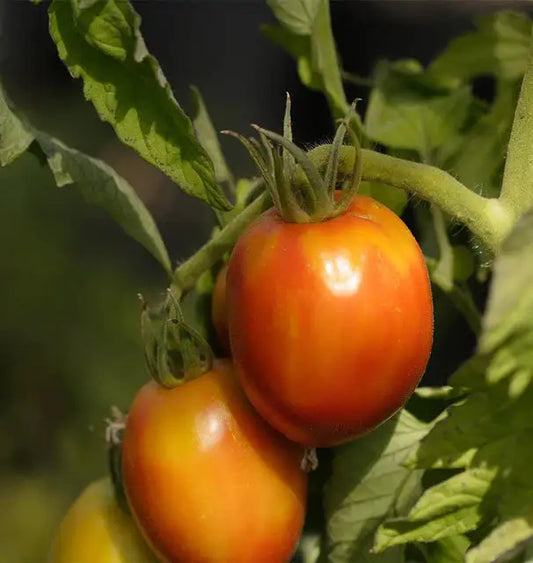
Amish Paste Tomato is a traditional variety grown for meaty fruits suitable for homemade sauces and other cooked tomato recipes.

Compact Tomatoes for Containers

You do not need a large garden to grow tomatoes from seed. Compact varieties can be grown in suitable containers on sunny patios, balconies, decks, and small urban properties.

Red Robin Compact Cherry Tomato develops a naturally smaller plant that is well suited to pots. Browse our Container Garden Compact Plants for more varieties designed for limited spaces.

Determinate vs. Indeterminate Tomatoes

Understanding the growth habit of a tomato plant helps you plan spacing, support, pruning, and harvest timing.

Growth Type Characteristics Best For
Determinate Plants reach a more limited size and tend to ripen much of their crop within a shorter period Containers, smaller gardens, preserving, and concentrated harvests
Indeterminate Vines continue growing, flowering, and producing fruit until cold weather ends the season Extended fresh harvests, trellises, cages, and larger gardens

Indeterminate plants normally need tall cages, stakes, or a trellis. Determinate tomatoes may still benefit from support, particularly when the branches are carrying a heavy crop.

How to Grow Tomatoes From Seed

In most Canadian climates, tomato seeds should be started indoors approximately 6–8 weeks before the final expected frost. Starting too early can produce oversized, root-bound plants before outdoor conditions are safe, while starting too late may shorten the harvest season.

Fill trays or small containers with a clean seed-starting mix. Sow each seed approximately ¼ inch deep and cover it lightly. Moisten the mix without saturating it, then place the containers in a warm location.

Tomato seeds germinate best with consistent warmth. Once seedlings emerge, move them under strong grow lights or into the brightest suitable location available. Insufficient light can cause seedlings to become pale, stretched, and weak.

Seedling Light and Care

Keep young plants close enough to grow lights that they remain compact, while ensuring the leaves do not touch hot bulbs. Rotate trays when natural window light causes seedlings to lean in one direction.

Water when the surface of the growing mix begins to dry. Apply water carefully at soil level and avoid leaving seedlings standing in water. Gentle airflow can help stems develop and reduce excessively damp conditions around the foliage.

Potting Up Tomato Seedlings

Once the seedlings develop true leaves and begin outgrowing their original cells, transplant them into larger containers. Tomatoes can form additional roots along buried portions of their stems, so leggy seedlings may be planted deeper when moved into larger pots.

Handle seedlings by their leaves rather than squeezing the delicate stem. Continue providing strong light as the plants develop.

Hardening Off and Transplanting

Indoor-grown tomatoes must be hardened off before permanent outdoor planting. Move the seedlings outside for short periods in a protected, shaded location, then gradually increase their exposure to sunlight, wind, and outdoor temperatures over approximately one week.

Do not transplant tomatoes solely because the calendar says it is spring. Wait until frost danger has passed, the soil has warmed, and nighttime temperatures are consistently suitable for these heat-loving plants.

Plant seedlings deeply, covering part of the stem while keeping the upper leaves above the soil. Water thoroughly after planting and install cages or stakes early, before the plants become difficult to manage.

Tomato Spacing and Support

Exact spacing depends on the variety, pruning method, support system, and growing environment. Compact plants may fit relatively close together, while vigorous indeterminate tomatoes need more room for airflow and root development.

Avoid crowding tomato plants. Dense growth can reduce sunlight within the canopy, make harvesting difficult, and keep foliage wet for longer periods.

Common support options include:

  • Heavy-duty tomato cages
  • Wooden or metal stakes
  • Vertical string systems
  • Garden trellises
  • Panels secured between strong posts

Secure stems with soft plant ties and leave enough room for continued growth. Check ties throughout the season to ensure they are not cutting into expanding stems.

Watering Tomato Plants

Tomatoes perform best with consistent soil moisture. Large changes between very dry and very wet conditions can stress plants and interfere with fruit development.

Water deeply near the base of the plant rather than applying frequent shallow sprinkles. Deep watering encourages roots to grow farther into the soil. Containers dry more rapidly than garden beds and may require daily attention during hot weather.

A layer of organic mulch can help retain moisture, suppress weeds, and reduce soil splashing onto the lower leaves. Keep mulch slightly away from the main stem.

Feeding Tomatoes

Prepare the planting area with compost or well-aged organic matter. Once plants begin flowering and setting fruit, follow an appropriate tomato or vegetable fertilizer label rather than applying excessive nitrogen.

Too much nitrogen can produce a large amount of leafy growth without a matching increase in flowers or tomatoes. Healthy plants need balanced nutrition, adequate sunlight, consistent water, and suitable soil conditions.

Tomato Growing Stages

Stage What to Expect Recommended Care
Germination Seedlings emerge from warm, moist growing mix Provide warmth and move seedlings into strong light promptly
Seedling Growth True leaves form and roots fill the starting container Water carefully and transplant into larger pots when necessary
Outdoor Establishment Plants adjust to the garden and begin faster growth Water consistently and protect plants from unexpected cold
Flowering Yellow flowers form along the stems Maintain steady moisture and avoid excessive nitrogen
Fruit Development Pollinated flowers develop into green tomatoes Support loaded branches and continue deep watering
Ripening Fruit reaches its mature colour, flavour, and texture Harvest regularly and check plants for damaged fruit

Growing Tomatoes in Containers

Tomatoes can grow successfully in containers when the variety and pot size are properly matched. Compact determinate and dwarf varieties are generally the easiest choices, although larger indeterminate plants can be grown in substantial containers with strong support.

Use a container with drainage holes and quality potting mix. Garden soil alone may compact in a pot and interfere with drainage. Place the container where the plant will receive full sun.

Container-grown tomatoes depend entirely on the gardener for water and nutrients. Check moisture frequently, especially during hot or windy conditions, and fertilize according to the directions for the selected product.

Growing Tomatoes in a Greenhouse

A greenhouse can extend the growing season and protect tomato plants from cool weather and excessive rain. It does not eliminate the need for airflow, pollination, watering, or temperature management.

Ventilate the greenhouse during warm weather and avoid overcrowding plants. Tomato flowers may benefit from gentle movement or vibration when natural pollinator activity is limited inside the structure.

Common Tomato Growing Problems

Problem Possible Cause What to Check
Leggy seedlings Insufficient light or excessive warmth after germination Increase light intensity and keep seedlings close to the light source
Flowers fall without fruit Temperature stress, poor pollination, or inconsistent conditions Review heat, cold, watering, and pollination conditions
Fruit splits Rapid water uptake after the soil becomes very dry Maintain more consistent soil moisture
Heavy foliage with few tomatoes Excessive nitrogen, insufficient sunlight, or immature plants Review fertilizer use and available sunlight
Plants wilt Dry soil, damaged roots, extreme heat, or disease Check soil moisture and inspect the entire plant

When to Harvest Tomatoes

Harvest timing depends on the variety. A ripe tomato normally develops its expected mature colour and begins to soften slightly while remaining firm enough to handle.

Some heirloom varieties retain green shoulders or develop colours different from standard red tomatoes. Review the individual product description so you know what a ripe fruit should look like.

Pick tomatoes by gently twisting the fruit or cutting its stem with clean garden scissors. Harvesting ripe fruit regularly encourages gardeners to notice new problems quickly and prevents tomatoes from becoming overripe on the plant.

Quick Tomato Seed Planting Instructions

  • Start tomato seeds indoors approximately 6–8 weeks before the final frost.
  • Sow seeds about ¼ inch deep in seed-starting mix.
  • Provide consistent warmth during germination.
  • Move seedlings into strong light immediately after emergence.
  • Transplant seedlings into larger pots as they grow.
  • Harden plants off gradually before outdoor planting.
  • Plant outdoors only after frost danger has passed.
  • Choose a location receiving at least 6–8 hours of sunlight.
  • Install cages, stakes, or trellises early.
  • Water deeply and maintain consistent soil moisture.

Tomato Seed FAQs

When should I start tomato seeds in Canada?

Most Canadian gardeners start tomato seeds indoors approximately 6–8 weeks before their local final frost date. The exact date depends on your region and when outdoor conditions usually become warm enough for transplanting.

How deep should tomato seeds be planted?

Tomato seeds are generally sown approximately ¼ inch deep and lightly covered with seed-starting mix.

How long do tomato seeds take to germinate?

Tomato seeds commonly germinate in approximately 5–14 days when the growing mix remains warm and evenly moist. Cooler conditions may slow germination.

Do tomato seeds need light to germinate?

The seeds primarily need warmth and moisture during germination. Once seedlings emerge, they need strong light immediately to support compact, healthy growth.

Can I plant tomato seeds directly outdoors?

Direct sowing is possible in climates with a sufficiently long, warm growing season, but indoor starting is more reliable across most of Canada because tomatoes need time to mature before fall frost.

How many tomato seeds should I plant?

Sow enough seeds to account for germination and the number of mature plants your garden can support. Avoid starting far more plants than you have room to transplant properly.

Can tomatoes grow in pots?

Yes. Compact and dwarf tomato varieties are especially suitable for pots. Use a sufficiently large container with drainage, full sun, quality potting mix, and consistent watering.

What is the easiest tomato to grow from seed?

Cherry tomatoes are often beginner-friendly because many varieties grow vigorously and produce numerous small fruits. The best choice still depends on your available space and growing conditions.

Do tomato plants need cages?

Most tomato plants benefit from support. Indeterminate vines generally require substantial cages, stakes, or trellises, while compact plants may need only modest support.

Can I save seeds from my tomatoes?

Seeds can be saved from open-pollinated and heirloom varieties, although tomatoes may occasionally cross with nearby varieties. Seeds collected from hybrids may not produce plants identical to the parent.

What is the difference between heirloom and hybrid tomatoes?

Heirloom tomatoes are open-pollinated varieties preserved over generations. Hybrids are intentional crosses between selected parent lines and may be bred for specific qualities such as yield, uniformity, or disease resistance.

Why should I grow tomatoes from seed?

Growing from seed provides a broader choice of tomato varieties than buying established plants. It also allows you to select specific flavours, colours, growth habits, harvest uses, and maturity ranges for your garden.

Shop Tomato Seeds in Canada

Explore our collection of seed tomato varieties for fresh eating, sauces, preserving, containers, greenhouses, and traditional vegetable gardens. Combine early, mid-season, cherry, slicing, and paste tomatoes to create a varied harvest throughout the summer.

Complete your warm-season garden with our Pepper Seeds, Cucumber Seeds, and Herb Seeds, or browse all Heirloom Vegetable Seeds available from Circle Farms.