
-

 Épuisé
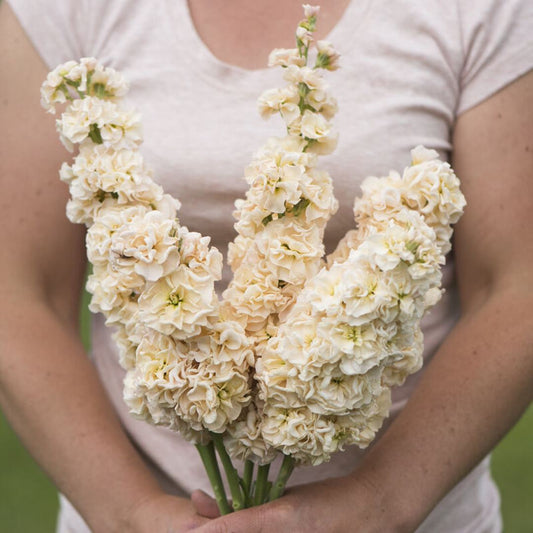
Stock Seeds - Iron Apricot
Prix habituel $7.95 CADPrix habituelPrix unitaire par -
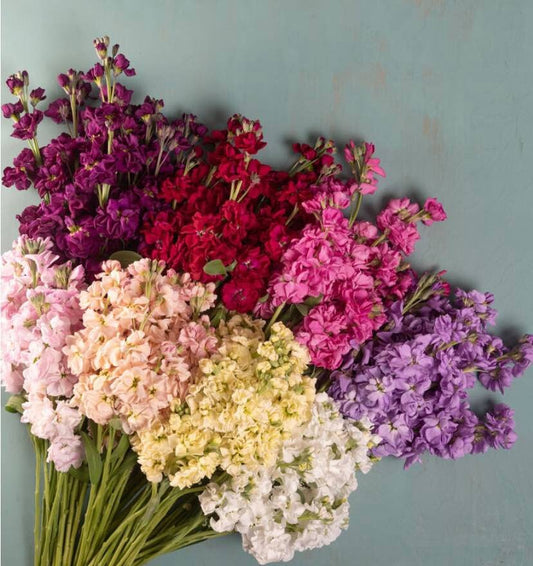
Stock Seeds - Iron Pastel Mix
Prix habituel $7.95 CADPrix habituelPrix unitaire par -
Stock Seeds - Iron Purple
Prix habituel $7.95 CADPrix habituelPrix unitaire par -
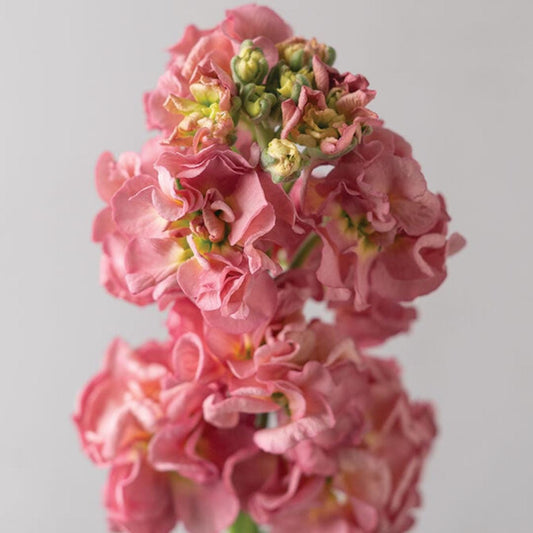
Stock Seeds - Iron Rose
Prix habituel $7.95 CADPrix habituelPrix unitaire par -
Stock Seeds - Iron White
Prix habituel $7.95 CADPrix habituelPrix unitaire par -
Stock Seeds - Katz Cherry Blossom
Prix habituel $7.95 CADPrix habituelPrix unitaire par -
Stock Seeds - Katz Formula Mix
Prix habituel $7.95 CADPrix habituelPrix unitaire par -
Stock Seeds - Katz Yellow
Prix habituel $7.95 CADPrix habituelPrix unitaire par -
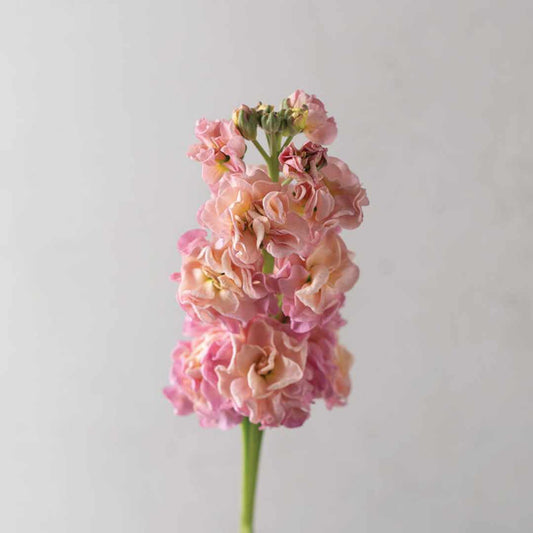
Stock Seeds - Stox Antique Rose
Prix habituel $7.95 CADPrix habituelPrix unitaire par -
Stock Seeds - Stox Champagne
Prix habituel $7.95 CADPrix habituelPrix unitaire par -
Stock Seeds - Stox Deep Rose
Prix habituel $7.95 CADPrix habituelPrix unitaire par -
Stock Seeds - Stox Silver
Prix habituel $7.95 CADPrix habituelPrix unitaire par -
Stock Seeds - Vintage Brown
Prix habituel $7.95 CADPrix habituelPrix unitaire par








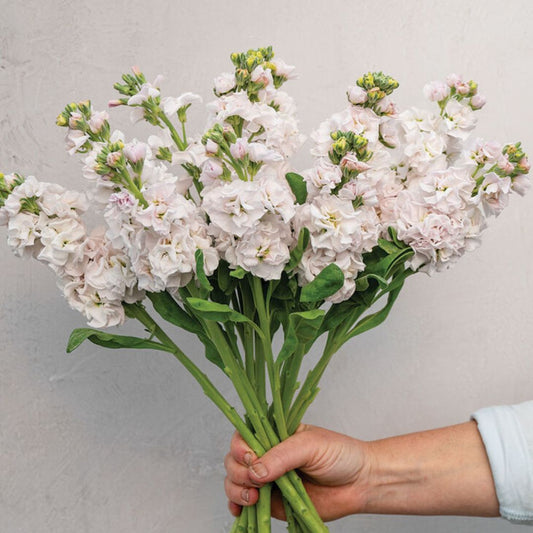

Collection: Stock Seeds
Stock Seeds for Fragrant Cut Flowers
Grow elegant, intensely fragrant flowers with our collection of stock seeds. Stock flowers are treasured for their upright stems, dense clusters of ruffled blooms, and distinctive sweet-spicy fragrance. Their romantic appearance and strong scent make them a favourite for cutting gardens, cottage-style borders, spring displays, wedding flowers, and homegrown bouquets.
Botanically known as Matthiola incana, stock is a cool-season flowering plant that performs best when it can establish and bloom before intense summer heat arrives. The flowers are available in soft apricot, champagne, blush, rose, white, yellow, purple, silver, and antique tones, making it easy to select colours for a coordinated garden or floral-design palette.
Our stock flower seeds include varieties bred for strong stems, uniform growth, desirable flower colours, and dependable cut-flower production. Choose single-colour selections for carefully planned arrangements or mixed stock seeds for a naturally varied display.
Browse the stock varieties below, explore our complete Flower Seeds collection, or add complementary shapes and textures from our Filler Flower Seeds collection.
Stock Flower Growing Profile
| Growing Detail | General Information |
|---|---|
| Common Name | Stock flower, garden stock, or gillyflower |
| Botanical Name | Matthiola incana |
| Plant Type | Cool-season flower commonly grown as an annual |
| Typical Height | Approximately 12–36 inches, depending on the variety |
| Sun Requirements | Full sun; light afternoon shade can help in warm climates |
| Indoor Sowing | Approximately 8–10 weeks before the final expected frost |
| Typical Sowing Depth | Surface sow or cover very lightly, following the packet instructions |
| Typical Germination | Approximately 7–14 days under suitable conditions |
| Preferred Temperature | Cool to mild growing conditions |
| Preferred Soil | Fertile, well-draining soil |
| Primary Bloom Period | Spring through early summer, depending on sowing time and climate |
| Best Uses | Cut flowers, fragrant borders, cottage gardens, bouquets, and wedding arrangements |
What Is a Stock Flower?
Stock is an upright flowering plant in the brassica family. It produces a central stem lined with clustered flowers that may be single or densely double. The blossoms are known for a rich fragrance often described as sweet, spicy, clove-like, or slightly peppery.
Unlike many heat-loving annuals, stock flowers prefer cool weather. They can tolerate mild spring conditions and generally produce their best stems before sustained summer heat. This makes stock valuable for early cutting gardens, especially when gardeners want flowers before warm-season crops such as zinnias and sunflowers reach peak production.
Stock flowers are widely used in floral arrangements because their vertical shape adds height and structure. Their strong fragrance also gives bouquets a sensory quality that many visually striking flowers do not provide.
Choosing the Best Stock Seeds
The best stock seeds depend on your preferred colours, growing environment, and whether you want flowers for garden display or cutting. Most varieties in this collection are designed to produce substantial stems suitable for bouquets.
Iron Series Stock Seeds
Iron Series stock varieties are selected for sturdy stems and reliable performance. Their strong growth makes them useful for cutting gardens where straight, substantial stems are a priority.
Create a soft warm-toned display with Iron Apricot Stock, or choose Iron Rose Stock for richer pink colour. Iron White Stock provides a versatile neutral flower for wedding arrangements, monochromatic gardens, and mixed bouquets.
Gardeners who prefer several coordinated colours in one planting can grow Iron Pastel Mix Stock.
Katz Series Stock Seeds
Katz Series stock is valued for cut-flower production and an appealing range of colours. These varieties can be planted in coordinated rows or combined with contrasting flowers.
Katz Formula Mix Stock offers multiple colours in one seed packet, making it suitable for informal cutting gardens and mixed bouquets.
Stox and Vintage Stock Flowers
Stox and Vintage selections offer sophisticated colours that work especially well in modern floral palettes. Antique rose, champagne, silver, brown, and muted pink tones can be combined with cream, burgundy, pale apricot, or green flowers for layered arrangements.
These less conventional colours are useful for gardeners who want something different from standard bright annual flowers. They also pair well with varieties from our Green Flower Seeds and White Flower Seeds collections.
Single and Double Stock Flowers
Stock plants can produce single or double flowers. Single flowers usually have a simpler, open form with one row of petals. Double stock flowers contain many more petals, creating the dense, ruffled appearance most often associated with florist-quality stock.
Depending on the variety, a packet may produce both single- and double-flowered plants. Some professional growers sort seedlings based on subtle differences in colour or growth, but these traits can be difficult for home gardeners to identify reliably.
Both forms are attractive. Double flowers provide fullness and texture, while single flowers have a lighter appearance and may be more accessible to visiting insects.
What Do Stock Flowers Smell Like?
Stock flowers have a powerful sweet-spicy fragrance. The scent is often compared with cloves, vanilla, cinnamon, or a lightly peppery perfume. Fragrance intensity can vary by variety, temperature, bloom maturity, and time of day.
Plant stock near pathways, entrances, patios, or frequently opened windows where the scent can be appreciated. Cut stems can also perfume an indoor room even when only a few are included in a bouquet.
Gardeners building a fragrance-focused planting can combine stock with varieties from our Sweet Pea Seeds collection. Sweet peas provide climbing growth and delicate stems, while stock creates upright flower spikes.
How to Grow Stock From Seed
Stock flowers benefit from an early indoor start because they grow and bloom best during cool conditions. Begin approximately 8–10 weeks before your final expected spring frost.
Fill clean trays with a fine, moist seed-starting mix. Sow the seeds on the surface or cover them only lightly, following the variety-specific packet instructions. Keep the growing mix evenly moist but not saturated.
Once seedlings emerge, move them under strong light. Stock seedlings prefer cooler growing conditions than many heat-loving annual flowers. Excessive indoor heat can produce weak growth and may reduce overall plant quality.
Provide airflow around the seedlings and water at soil level when possible. Once plants develop several true leaves, transplant them carefully into larger cells or individual containers if needed.
The University of Minnesota Extension’s cutting-garden guide identifies stock as a cool-weather flower that benefits from an early indoor start. Additional botanical and landscape information is available through the North Carolina Extension Gardener Plant Toolbox.
Do Stock Seeds Need Light to Germinate?
Stock seeds are generally surface sown or covered with only a very thin layer of growing mix. The exact recommendation can vary, so the individual packet instructions should take priority.
Press the seeds gently into the moist surface to improve contact. Avoid burying the small seeds deeply, which can make emergence more difficult.
Stock Seed Germination Temperature
Stock seeds generally germinate best under mild rather than excessively hot conditions. Maintain consistent moisture and avoid placing trays in an environment that becomes intensely warm.
After germination, provide bright light and cooler temperatures to help the seedlings remain compact. Warm, dim conditions can cause stretched stems.
Hardening Off and Transplanting Stock
Before planting seedlings permanently outside, gradually harden them off. Begin by placing the trays outdoors in a sheltered location for short periods, then increase their exposure to sunlight, wind, and outdoor temperatures over approximately one week.
Stock tolerates cool conditions better than tender summer annuals, but indoor-grown seedlings still need time to adjust. Avoid moving soft seedlings directly from a protected indoor environment into intense sun or strong wind.
Transplant into fertile, well-draining soil in full sun. In regions with warmer spring weather, light afternoon shade may help protect the plants as temperatures increase.
Space plants according to the individual variety and your intended use. Close spacing may encourage straighter stems for cutting, while wider spacing gives individual garden plants more room to branch.
When to Plant Stock Seeds in Canada
For many Canadian gardeners, stock seeds should be started indoors during late winter and transplanted in early spring. Count backward approximately 8–10 weeks from the expected final frost date in your region.
Because stock prefers cool conditions, it can often be planted outdoors earlier than frost-sensitive flowers. However, planting time should still reflect the condition of the seedlings, local temperatures, and the severity of expected frost.
Gardeners in mild coastal regions may also experiment with late-summer or early-fall sowing for overwintered plants. Winter survival depends on local temperature, drainage, shelter, and the selected variety, so fall planting is less predictable in colder Canadian regions.
Where to Plant Stock Flowers
Choose a location with full sun and fertile soil that drains well. Stock does not perform well when roots remain in saturated ground, particularly during cool weather.
Suitable locations include:
- Dedicated cutting-garden rows
- Sunny cottage-garden borders
- Raised beds with good drainage
- Large patio containers
- Fragrant plantings near pathways
- Formal beds arranged by colour
- Spring gardens paired with bulbs and cool-season annuals
Stock combines well with flowers that bloom during similar cool conditions, including snapdragons, sweet peas, pansies, violas, calendula, and some early poppies. Browse our Snapdragon Seeds for another upright cut flower with a complementary shape.
Watering and Fertilizing Stock Flowers
Keep the soil consistently moist while plants establish, but avoid waterlogged conditions. Water deeply around the base of the plants when the upper soil begins to dry.
Good airflow is important because densely planted foliage can remain damp after rain or overhead watering. Watering early in the day allows moisture on the leaves to dry more quickly.
Prepare poor soil with compost or well-aged organic matter before planting. A balanced flower fertilizer may be used according to its label, but excessive nitrogen can encourage soft leafy growth instead of strong flower stems.
Does Stock Need Support?
Tall stock varieties may benefit from support, particularly in windy locations or when heavy double flowers develop. Strong rain can also cause top-heavy stems to bend.
Horizontal flower netting installed while plants are still small can support an entire cutting row. Small garden plantings may be supported with discreet stakes and soft ties.
Install supports before the plants become tall. Trying to force mature flower stems through netting can break or bend them.
Can Stock Flowers Grow in Containers?
Stock can grow successfully in containers when given enough root space, sunlight, drainage, and consistent water. Select a substantial pot with drainage holes and fill it with quality potting mix.
Compact varieties are easiest to manage in smaller containers, while taller cut-flower stock needs a deeper, heavier pot that will not tip in wind. Several plants can be grouped for a fuller display, but avoid severe crowding.
Container-grown plants dry more quickly than those in garden soil. Check moisture regularly and water thoroughly when the upper layer begins to dry.
Growing Stock for Cut Flowers
Stock is an excellent cut flower because of its long upright stems, densely packed blossoms, and memorable scent. A few stems can add height and fragrance to an arrangement, while a larger group can serve as the main feature.
For a steady supply, sow several smaller batches instead of planting every seed at once. Succession sowing can extend the harvest, although later plantings may produce shorter or lower-quality stems if they mature during hot weather.
Combine stock with:
- Sweet peas for fragrance and movement
- Snapdragons for additional vertical shape
- Persian cress or dill for airy texture
- Early sunflowers for a strong focal flower
- Cosmos for delicate movement
- White or green flowers for neutral arrangements
When to Harvest Stock Flowers
Cut stock when approximately one-third to one-half of the flowers on the stem have opened. The remaining buds can continue opening after harvest.
Harvest during a cool part of the day using clean, sharp snips. Place the stems into clean water promptly and remove any leaves that would sit below the waterline.
Stock is commonly grown as a single-cut flower. Once the primary stem is harvested, the plant may not produce another stem of equal quality. For continuous bouquets, plan several sowing dates or grow enough plants to harvest across multiple weeks.
Common Stock Growing Problems
| Problem | Possible Cause | Recommended Action |
|---|---|---|
| Seeds fail to germinate | Seeds planted too deeply, inconsistent moisture, or unsuitable temperature | Sow shallowly and maintain mild, evenly moist conditions |
| Seedlings become stretched | Insufficient light or excessive warmth | Provide stronger overhead light and cooler conditions |
| Plants produce short stems | Heat, restricted roots, late planting, or stress | Start earlier and provide consistent moisture and fertile soil |
| Flower stems bend | Wind, heavy blooms, or inadequate support | Install flower netting or stakes before stems become tall |
| Leaves yellow | Overwatering, poor drainage, root stress, or nutrient imbalance | Check drainage and allow the upper soil to dry slightly between watering |
| Plants stop thriving in summer | Sustained high temperatures | Plant earlier and treat stock primarily as a cool-season flower |
Quick Stock Seed Planting Instructions
- Start seeds indoors approximately 8–10 weeks before the final frost.
- Surface sow or cover very lightly according to the packet directions.
- Keep the growing mix evenly moist but not saturated.
- Provide bright light immediately after germination.
- Grow seedlings under cool to mild conditions.
- Harden plants off gradually before transplanting.
- Plant in full sun and fertile, well-draining soil.
- Install netting or stakes for tall varieties.
- Water consistently at the base of the plants.
- Harvest when one-third to one-half of the flowers are open.
Stock Flower FAQs
Are stock flowers annuals or perennials?
Matthiola incana can behave as a short-lived perennial in sufficiently mild climates, but Canadian gardeners generally grow stock as a cool-season annual.
When should stock seeds be started?
Start stock seeds indoors approximately 8–10 weeks before the final expected frost. The goal is to establish plants early enough to flower before intense summer heat.
How long do stock seeds take to germinate?
Stock seeds commonly germinate in approximately 7–14 days under suitable moisture, temperature, and planting-depth conditions.
Do stock seeds need light to germinate?
Stock seeds are usually surface sown or covered very lightly. Follow the individual seed-packet instructions and avoid planting them deeply.
Do stock flowers prefer sun or shade?
Stock generally performs best in full sun. Light afternoon shade may be helpful in regions where spring temperatures become warm quickly.
What do stock flowers smell like?
The fragrance is commonly described as sweet, spicy, clove-like, and slightly peppery. It is one of the main reasons stock is valued in gardens and bouquets.
Can stock flowers tolerate frost?
Established stock plants tolerate cool conditions better than tender summer annuals, but severe frost can damage them. Indoor-grown seedlings should always be hardened off before planting.
Can stock grow in pots?
Yes. Use a container with drainage holes, quality potting mix, full sun, and enough depth for the selected variety. Tall stock may need support.
Do stock flowers bloom more than once?
Stock is often treated as a single-cut crop. Some plants may continue developing smaller side flowers, but the strongest central stem is generally the primary harvest.
Why is my stock not flowering?
Late planting, excessive heat, inadequate light, excess nitrogen, or stress may delay or prevent flowering. Stock performs best when grown during cool weather.
Is stock a good cut flower?
Yes. Stock is valued for its straight stems, dense flowers, colour range, and intense fragrance. It works as both a focal and supporting flower in arrangements.
Are stock flowers edible?
Stock is grown as an ornamental flower rather than a culinary crop. Do not consume flowers or plant parts unless they were specifically produced and identified for edible use.
Buy Stock Seeds in Canada
Shop stock seeds in Canada for fragrant cutting gardens, early-season colour, wedding flowers, cottage borders, and scented bouquets. Choose warm apricot and champagne shades, romantic pink and rose flowers, dramatic purple tones, clean white blooms, or coordinated colour mixes.
Explore all varieties in this Stock Seeds collection, browse our complete Flower Seeds, or pair stock with Sweet Pea Seeds, Snapdragon Seeds, and Filler Flower Seeds for a varied home cutting garden.

