
-

 Back Next Year
Sweet Pea Seeds - Bix
Prix habituel $9.95 CADPrix habituelPrix unitaire par -
Sweet Pea Seeds - Elegance Salmon Rose
Prix habituel $7.95 CADPrix habituelPrix unitaire par -
Sweet Pea Seeds - Elegance Watermelon
Prix habituel $7.95 CADPrix habituelPrix unitaire par -
 Back Next Year
Sweet Pea Seeds - Enchante
Prix habituel $6.95 CADPrix habituelPrix unitaire par -
Sweet Pea Seeds - High Scent
Prix habituel $7.95 CADPrix habituelPrix unitaire par -
Sweet Pea Seeds - High Scent & Pink Mix
Prix habituel $6.95 CADPrix habituelPrix unitaire par -
Sweet Pea Seeds - Mammoth Choice Mix
Prix habituel $6.95 CADPrix habituelPrix unitaire par -
Sweet Pea Seeds - Nimbus
Prix habituel $7.95 CADPrix habituelPrix unitaire par -
Sweet Pea Seeds - Royal Wedding White
Prix habituel $8.95 CADPrix habituelPrix unitaire par -
Sweet Pea Seeds - Spencer Ripple Formula Mix
Prix habituel $7.95 CADPrix habituelPrix unitaire par -
Sweet Pea Seeds - Spring Sunshine Orange
Prix habituel $7.95 CADPrix habituelPrix unitaire par







Collection: Sweet Pea Seeds
Sweet Pea Seeds for Fragrant Climbing Flowers
Fill trellises, fences, arches, and cutting gardens with colour and fragrance using our collection of sweet pea seeds. Sweet peas are cool-season climbing flowers loved for their ruffled petals, long flowering stems, romantic colours, and distinctive perfume.
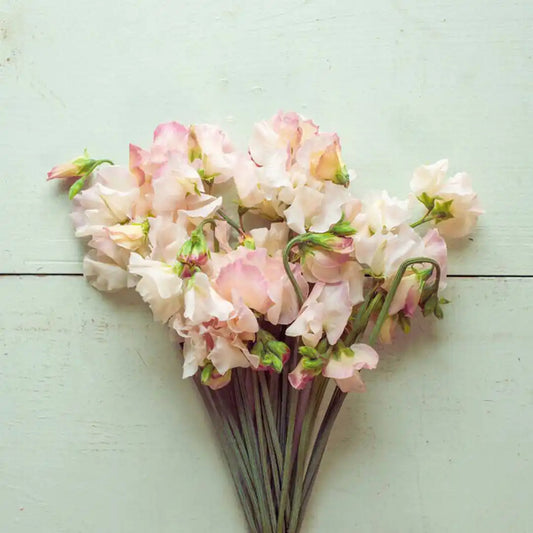
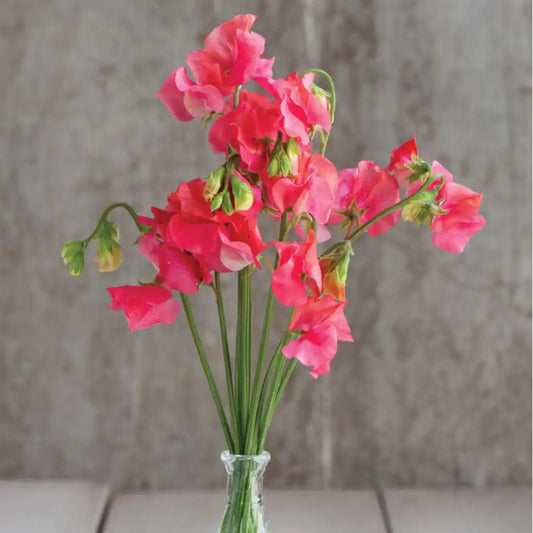
Botanically known as Lathyrus odoratus, the annual sweet pea flower is available in shades of white, cream, blush, pink, lavender, blue, purple, burgundy, and richly blended bicolours. Some varieties are selected for exceptional fragrance, while others are prized for dramatic colours, long stems, large blooms, or reliable cut-flower production.
Growing sweet peas from seed gives gardeners access to a much wider range of varieties than established nursery plants typically provide. Choose strongly scented heirlooms, elegant Spencer types, dark dramatic flowers, soft pastel blends, or productive varieties for bouquets.
Browse the sweet pea varieties below or explore all Flower Seeds available from Circle Farms.
What Is a Sweet Pea Flower?
A sweet pea is an ornamental flowering vine in the legume family. The plant develops climbing stems with curling tendrils that attach to nearby supports. As the vines mature, they produce slender flowering stems carrying delicate, often highly fragrant blooms.
The annual garden sweet pea should not be confused with edible garden peas, snow peas, or sugar snap peas. Despite the similar name, ornamental sweet pea plants are grown for their flowers and should not be eaten.
Sweet peas are particularly popular in cottage gardens and cutting gardens because they combine vertical growth with excellent bouquet potential. Frequent harvesting can encourage the plants to continue producing flowers rather than directing their energy into mature seed pods.
Sweet Pea Growing Profile
| Growing Detail | General Information |
|---|---|
| Common Name | Sweet pea |
| Botanical Name | Lathyrus odoratus |
| Plant Type | Cool-season annual climbing flower |
| Typical Height | Approximately 5–8 feet for many climbing varieties |
| Sun Requirements | Full sun; light afternoon shade can help in hot climates |
| Indoor Sowing | Approximately 6–8 weeks before the final expected frost |
| Direct Sowing | Early spring, as soon as the soil can be worked |
| Typical Sowing Depth | Approximately ½ inch deep |
| Typical Germination | Approximately 10–20 days |
| Support Required | Trellis, netting, fence, arch, or climbing frame |
| Best Uses | Cut flowers, bouquets, cottage gardens, arches, fences, and fragrant borders |
Choosing the Best Sweet Pea Seeds
The best sweet pea seeds depend on whether fragrance, colour, flower size, stem length, or garden display is your highest priority. Many gardeners plant several varieties together to create a longer, more visually varied harvest.
Highly Fragrant Sweet Peas
Fragrance varies significantly between sweet pea varieties. Traditional and heirloom types are often selected for their intense scent, while some modern varieties place greater emphasis on flower size, colour, or stem length.
For a strongly perfumed garden, look for varieties specifically described as highly scented. Plant fragrant sweet peas near an entrance, patio, pathway, seating area, or frequently opened window where their perfume can be appreciated.
Sweet Peas for Cut Flowers
Cut-flower sweet peas should produce attractive blooms on stems long enough for arranging. Spencer-type sweet peas are widely valued for their large, ruffled flowers and elegant appearance in bouquets.
Regular harvesting is essential. Removing flowers before seed pods mature encourages the plant to direct more energy toward additional blooms.
Dark and Unusual Sweet Pea Flowers
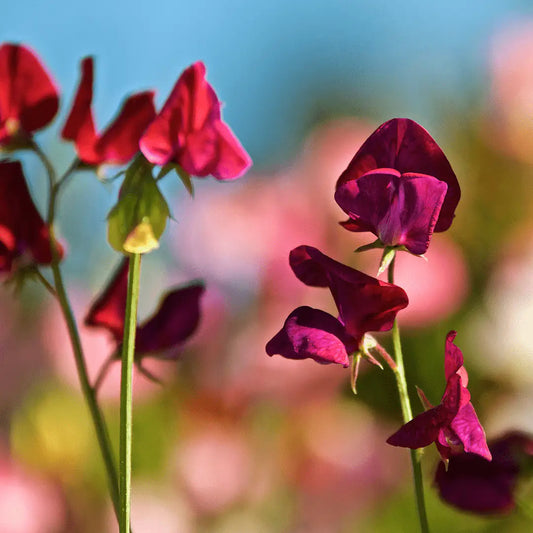
Sweet pea flowers are available in colours far beyond traditional pink and lavender. Deep purple, maroon, burgundy, near-black, blue-toned, striped, and picotee varieties can add contrast to gardens and floral arrangements.
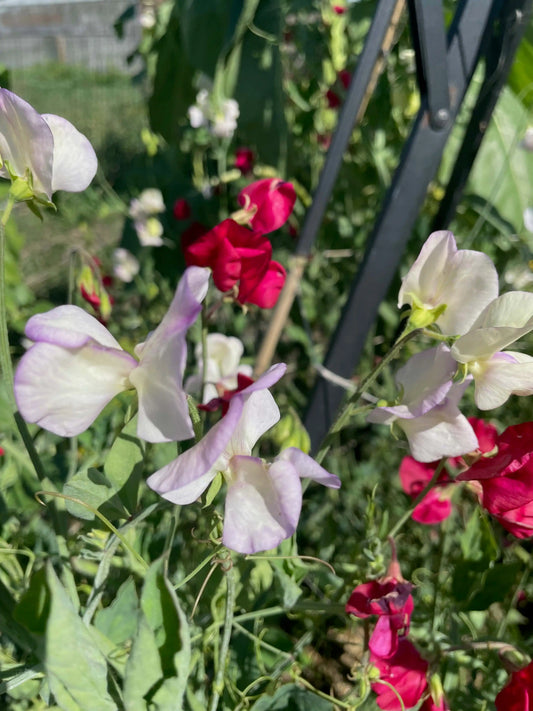
Dark sweet peas pair especially well with white, cream, blush, or pale lavender varieties. Mixing contrasting colours can create a more dimensional display on a trellis or garden arch.
White and Pastel Sweet Peas
White, cream, blush, pale pink, and lavender sweet peas create a softer garden palette. These varieties work well in romantic cottage gardens, wedding-inspired cutting gardens, and elegant floral arrangements.
What Does Sweet Pea Smell Like?
The scent of a sweet pea flower is usually described as soft, sweet, floral, and slightly honey-like. Depending on the variety and individual perception, the fragrance may also contain notes reminiscent of orange blossom, jasmine, citrus, or freshly cut flowers.
Fragrance strength varies by cultivar. Weather, temperature, flower maturity, and time of day may also affect how noticeable the scent appears. It is often easiest to appreciate during cooler parts of the morning or evening.
Are Sweet Peas Annual or Perennial?
The fragrant garden sweet pea, Lathyrus odoratus, is an annual flower. It germinates, grows, flowers, forms seeds, and completes its life cycle during one growing season.
Perennial sweet pea species also exist, including the everlasting pea, Lathyrus latifolius. However, perennial species are different plants and generally do not offer the same strong fragrance associated with annual sweet peas.
When shopping specifically for scented climbing flowers, check for the botanical name Lathyrus odoratus.
Will Sweet Peas Come Back Every Year?
Annual sweet pea plants do not return from the same roots the following spring. However, plants allowed to produce mature pods may drop seeds and generate volunteer seedlings under suitable conditions.
Self-seeding is not always reliable in Canadian gardens. Winter temperatures, wet soil, mulch, animals, and spring weather can all affect whether dropped seeds survive and germinate.
For predictable colours and dependable germination, most gardeners sow fresh sweet pea seeds each year.
How to Grow Sweet Peas From Seed
Sweet peas grow best when they can establish roots during cool weather. They should be started earlier than heat-loving annual flowers such as zinnias or sunflowers.
Gardeners can start seeds indoors approximately 6–8 weeks before the final frost or sow them directly outdoors in early spring. In mild coastal climates, fall sowing may also be possible in well-draining soil.
Sow each seed approximately ½ inch deep. Keep the soil consistently moist during germination without allowing it to remain saturated.
Should You Soak Sweet Pea Seeds?
Sweet pea seeds have a relatively firm outer coating. Soaking them in lukewarm water for up to 24 hours before sowing may soften the seed coat and help some seeds absorb moisture more quickly.
Soaking is optional. Seeds can still germinate successfully without it when moisture and temperature conditions are suitable.
A second option is to lightly scratch or nick the outer seed coat on the side opposite the growing point. Care is needed because cutting too deeply may damage the seed.
Starting Sweet Pea Seeds Indoors
Use deep pots, root trainers, or individual containers when starting sweet peas indoors. These plants begin developing substantial roots early and can become restricted in shallow seed trays.
Sow one or two seeds per container and place them in a cool, bright location after germination. Excessive warmth combined with limited light can produce weak, stretched seedlings.
Water when the surface of the growing mix begins to dry. Before transplanting, gradually harden seedlings off by exposing them to outdoor conditions over approximately one week.
Direct Sowing Sweet Peas
Sweet pea seeds can be sown directly outdoors as soon as the soil is workable in early spring. Select a sunny site with fertile, well-draining soil and install the climbing support before the vines become established.
Keep the planting area moist until seedlings emerge. Where birds, rodents, slugs, or snails are common, young plants may need temporary protection.
When to Plant Sweet Pea Seeds in Canada
Planting time varies by region, but sweet peas should generally be established before hot summer weather arrives. Most Canadian gardeners start seeds indoors in late winter or sow them outdoors in early spring.
To calculate an indoor sowing date, count backward approximately 6–8 weeks from your local final expected frost. Sweet pea seedlings tolerate cool conditions better than tender annual flowers, but they should still be hardened off gradually before permanent outdoor planting.
Gardeners in coastal British Columbia and other mild areas may experiment with fall sowing. Gardeners in colder regions will usually achieve more dependable results with late-winter indoor sowing or early-spring direct planting.
Where to Plant Sweet Peas
Choose a location receiving full sun. In regions with intense summer heat, some afternoon shade may help prevent stress and extend the flowering season.
Sweet peas prefer fertile, well-draining soil that holds consistent moisture. Add compost or well-aged organic matter before planting where the existing soil is poor.
Suitable planting locations include:
- Garden trellises
- Fences and wire panels
- Decorative arches
- Climbing obelisks
- Raised cutting beds
- Cottage garden borders
- Deep containers with sturdy supports
Do Sweet Peas Climb?
Yes. Sweet peas are climbing plants that use curling tendrils to attach themselves to nearby structures. Their tendrils grip narrow materials more effectively than wide, smooth posts.
Garden netting, wire mesh, fences, twiggy branches, and trellises with narrow sections all provide suitable support. Install the structure before or immediately after planting to avoid damaging established roots and vines later.
Guide young stems toward the support and secure them loosely with soft ties when necessary. Once the tendrils begin attaching, the vines usually continue climbing with minimal assistance.
Sweet Pea Support Options
| Support | Advantages | Best Use |
|---|---|---|
| Garden netting | Easy for small tendrils to grip | Cut-flower rows and raised beds |
| Wire panel | Strong, reusable, and suitable for vigorous vines | Garden borders and larger plantings |
| Decorative trellis | Combines support with ornamental structure | Patios, entrances, and flower beds |
| Garden arch | Creates a tall flowering feature | Pathways and cottage gardens |
| Pea sticks | Natural appearance with many gripping points | Informal and traditional gardens |
Pinching Sweet Pea Seedlings
Pinching a young sweet pea plant can encourage branching and the development of additional flowering stems. Wait until the seedling has several sets of true leaves and is growing strongly.
Remove the upper growing tip immediately above a set of leaves using clean fingers or snips. New side shoots can then develop from lower points on the stem.
Pinching is optional. Avoid pinching seedlings that are very small, stressed, or newly transplanted.
Watering and Fertilizing Sweet Peas
Sweet peas need consistent moisture throughout active growth and flowering. Allowing the soil to dry repeatedly can reduce bloom production, shorten stems, and cause plants to decline more quickly during warm weather.
Water deeply around the base of each plant. Avoid repeatedly wetting the foliage, particularly in the evening. Applying mulch around the roots can help conserve moisture, suppress weeds, and keep the soil cooler.
Compost-enriched soil may provide sufficient nutrition. When additional feeding is needed, use a balanced flower fertilizer according to its label. Excessive nitrogen may produce vigorous leaves and vines without a corresponding increase in flowers.
How to Keep Sweet Peas Blooming
Regular cutting and deadheading are essential for prolonged flowering. Once mature seed pods begin developing, the plant naturally directs more of its energy toward seed production.
Harvest flowers frequently and remove faded blooms before pods mature. During periods of peak flowering, check the vines every few days.
- Plant early so roots establish in cool weather.
- Provide full sun and fertile, well-draining soil.
- Maintain consistent soil moisture.
- Support vines from an early stage.
- Harvest flowers regularly.
- Remove fading flowers and developing pods.
- Mulch the roots as temperatures rise.
Growing Sweet Peas in Containers
Sweet peas can grow successfully in containers when given enough root space, reliable moisture, sunlight, and support. Choose a deep container with drainage holes rather than a small, shallow pot.
Fill it with quality potting mix and install the support before the vines begin climbing. Several plants can create a full display, but overcrowding should be avoided because it increases competition for water and nutrients.
Container-grown sweet peas dry faster than plants in garden soil. Check the pot regularly during warm or windy weather and water thoroughly whenever the upper layer begins to dry.
Sweet Peas as Cut Flowers
Sweet peas are among the most fragrant flowers for home cutting gardens. Their ruffled petals, elegant stems, and wide colour range make them suitable for small bouquets, wedding-inspired arrangements, and mixed seasonal displays.
Cut stems during a cool part of the day when several flowers are open and additional buds remain. Place them into clean water promptly and remove any foliage that would sit below the waterline.
Frequent cutting encourages additional flowers. Refresh vase water regularly and keep arrangements away from direct sunlight and heat.
Can You Eat Sweet Peas?
No. Ornamental sweet pea flowers, seeds, pods, and plants should not be eaten. The flowering sweet pea, Lathyrus odoratus, is not the same plant as an edible garden pea, sugar snap pea, or snow pea.
Grow ornamental sweet peas separately from edible peas where confusion is possible. Keep seeds and mature pods away from children and pets, and label stored seed clearly.
Common Sweet Pea Growing Problems
| Problem | Possible Cause | Recommended Action |
|---|---|---|
| Seeds do not germinate | Cold, saturated soil; dry soil; or a hard seed coat | Maintain even moisture and consider soaking seeds before sowing |
| Seedlings become stretched | Insufficient light or excessive indoor warmth | Provide stronger light and cooler growing conditions |
| Vines fall over | Insufficient support | Add netting or a trellis and guide vines toward it |
| Few flowers form | Late planting, excessive nitrogen, shade, or heat | Plant earlier, increase sunlight, and review fertilizer use |
| Flowering stops | Mature seed pods, dry soil, or hot weather | Deadhead frequently, water consistently, and mulch the roots |
| White coating on leaves | Powdery mildew encouraged by poor airflow | Improve spacing and airflow and avoid repeatedly wetting foliage |
Quick Sweet Pea Planting Instructions
- Start indoors 6–8 weeks before the final frost or direct sow in early spring.
- Optional: soak seeds in lukewarm water for up to 24 hours.
- Sow seeds approximately ½ inch deep.
- Keep the soil evenly moist during germination.
- Provide bright light after seedlings emerge.
- Harden indoor-grown plants off before transplanting.
- Choose a sunny location with fertile, well-draining soil.
- Install a trellis, netting, fence, or arch for climbing vines.
- Water consistently and mulch during warm weather.
- Pick flowers and remove seed pods regularly for continued blooming.
Sweet Pea FAQs
Will sweet peas come back every year?
Annual sweet peas do not return from the same roots. They may self-seed when pods are allowed to mature, but sowing fresh seeds each year provides more dependable results.
Are sweet peas annual or perennial?
The fragrant sweet pea Lathyrus odoratus is an annual. Perennial sweet pea species exist, but they are different plants and are generally less fragrant.
What does sweet pea smell like?
Sweet pea fragrance is commonly described as sweet, floral, honey-like, and slightly citrusy. The exact scent varies by variety, temperature, and individual perception.
When should I plant sweet pea seeds?
Start seeds indoors approximately 6–8 weeks before the final frost or direct sow them outdoors in early spring. Early planting allows the plants to establish before hot weather.
How long do sweet pea seeds take to germinate?
Sweet pea seeds generally germinate in approximately 10–20 days. Temperature, moisture, seed condition, and pre-soaking can influence germination time.
Do sweet peas need a trellis?
Most climbing sweet peas need a trellis, netting, fence, or similar structure. Their tendrils wrap around narrow supports as the vines grow upward.
Can sweet peas grow in pots?
Yes. Use a deep container with drainage holes, quality potting mix, consistent moisture, full sun, and a suitable climbing support.
Do sweet peas prefer sun or shade?
Sweet peas generally flower best in full sun. In areas with intense summer heat, light afternoon shade may help protect the plants and extend flowering.
Should sweet pea seeds be soaked before planting?
Soaking for up to 24 hours is optional. It can soften the hard seed coat, but seeds can also germinate successfully without soaking when soil conditions are suitable.
Are sweet pea flowers edible?
No. Ornamental sweet pea flowers, seeds, and pods should not be eaten. They are different from edible garden peas despite the similar common name.
How tall do sweet peas grow?
Height depends on the variety and growing conditions. Many climbing sweet peas can reach approximately 5–8 feet when given fertile soil, regular water, and sufficient support.
How do I get more flowers from sweet peas?
Plant early, provide full sun, water consistently, avoid excessive nitrogen, harvest flowers frequently, and remove developing seed pods before they mature.
Buy Sweet Pea Seeds in Canada
Explore sweet pea seeds for fragrant gardens, romantic bouquets, colourful trellises, and productive cutting beds. Combine scented heirlooms, elegant Spencer varieties, dark flowers, and pastel blends to create a diverse display throughout the cool growing season.
Browse all available varieties in this Sweet Pea Seeds collection or discover more annual and perennial blooms in our complete Flower Seeds collection.

