Collection: Aster Seeds

Aster Seeds for Colourful Cut-Flower Gardens

Grow abundant late-summer flowers for bouquets, borders, and pollinator-friendly gardens with our collection of aster seeds. Asters are loved for their full, daisy-like blooms, broad colour range, and ability to provide valuable garden colour as many earlier flowers begin to fade.

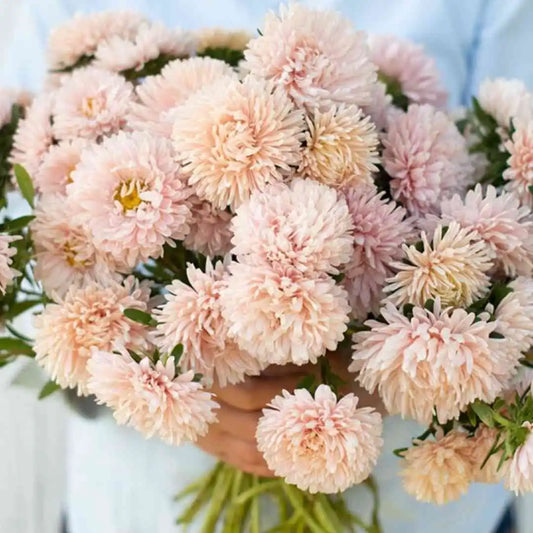
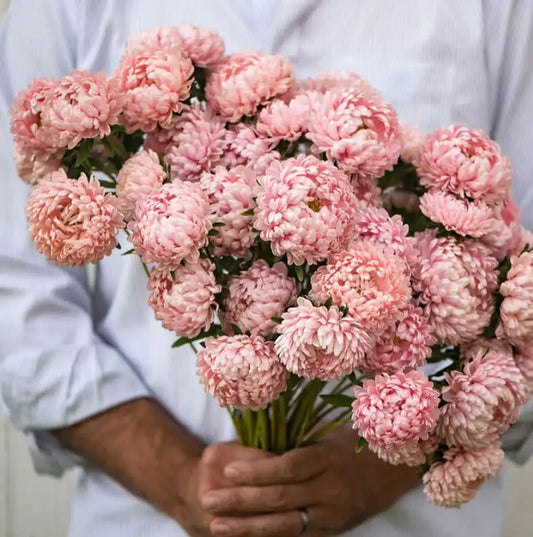
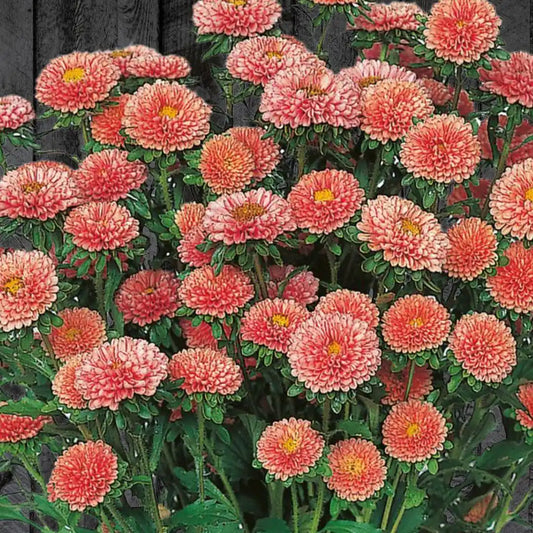
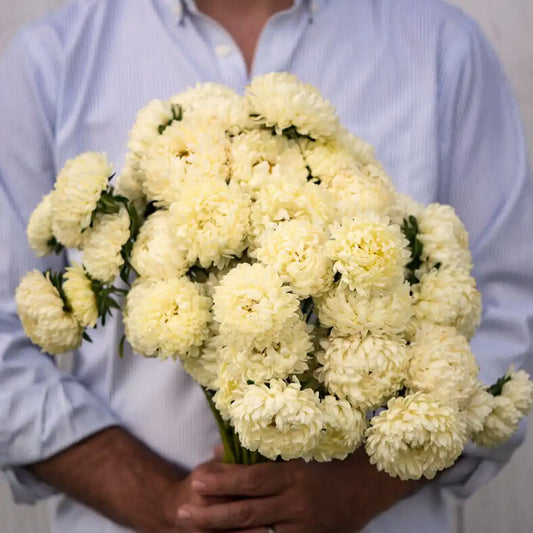
Our collection focuses primarily on annual China asters, botanically known as Callistephus chinensis. These productive cut flowers are available in soft apricot, blush, lavender, pale blue, silver, white, yellow, rose, chamois, and mixed colours. Depending on the variety, flowers may be rounded, incurved, quilled, or densely petalled.

Growing asters from seed allows gardeners to choose specific flower forms and colours that may not be available as established nursery plants. Plant a coordinated colour palette for wedding or event flowers, combine several varieties for mixed bouquets, or add asters to a succession-planted cutting garden for flowers later in the season.

Browse the varieties below or explore our complete Flower Seeds collection for more annual and perennial blooms.

Aster Flower Growing Profile

Growing Detail General Information
Common Name China aster or annual aster
Botanical Name Callistephus chinensis
Plant Type Warm-season annual flowering plant
Indoor Sowing Approximately 6–8 weeks before the final expected frost
Direct Sowing After frost danger has passed and the soil has begun to warm
Typical Sowing Depth Approximately ⅛–¼ inch, depending on the variety
Typical Germination Approximately 7–14 days under suitable conditions
Sun Requirements Full sun
Preferred Soil Fertile, well-draining soil with consistent moisture
Typical Bloom Period Mid-summer through early fall, depending on planting time
Best Uses Cut flowers, bouquets, flower beds, borders, and pollinator gardens

What Is an Aster Flower?

The name “aster” is used for several groups of daisy-like flowers. The varieties commonly grown as annual cut flowers are China asters, classified botanically as Callistephus chinensis.

China asters produce upright stems topped with colourful composite flower heads. Some varieties resemble chrysanthemums or peonies because of their densely packed petals, while others have narrower, quilled petals or more open centres.

These annual asters are different from the perennial plants commonly called New England, New York, or smooth asters. Many North American perennial asters are now classified within the genus Symphyotrichum. They can return for several years when suited to the local climate, whereas China asters complete their life cycle in one season.

For this reason, gardeners should check the botanical name and product description when selecting aster flower seeds. The growing schedule, mature size, flower form, and winter behaviour can differ significantly between annual and perennial species.

Choosing the Best Aster Seeds

The best aster seeds depend on your preferred flower colour, shape, stem length, and intended use. Taller varieties with strong stems are ideal for cutting gardens, while mixed packets are useful for creating a varied display without selecting every colour individually.

Apricot and Chamois Asters

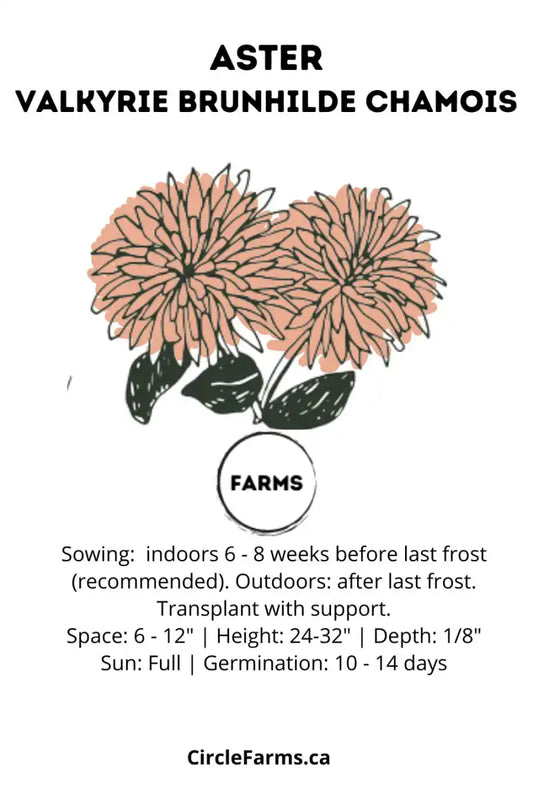
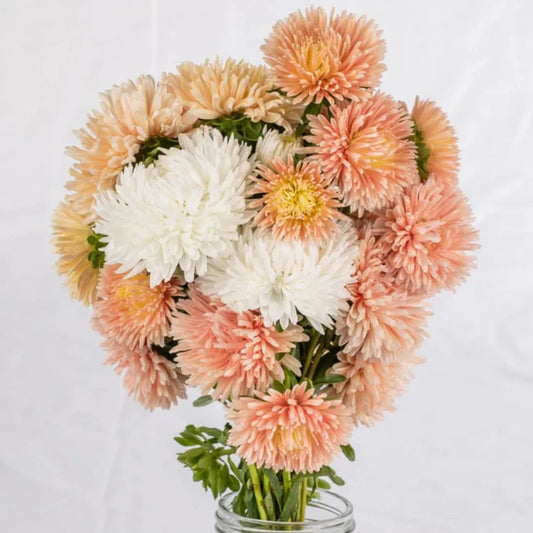
Apricot, blush, and chamois asters are popular in modern floral designs because they complement cream, white, burgundy, pale pink, peach, and green flowers.

King Size Apricot Aster produces substantial warm-toned blooms that can serve as focal flowers in bouquets. China Tower Chamois Aster offers a softer neutral colour with densely petalled flowers, while Matsumoto Apricot Aster provides a different flower shape for textural contrast.

Lavender and Blue Asters

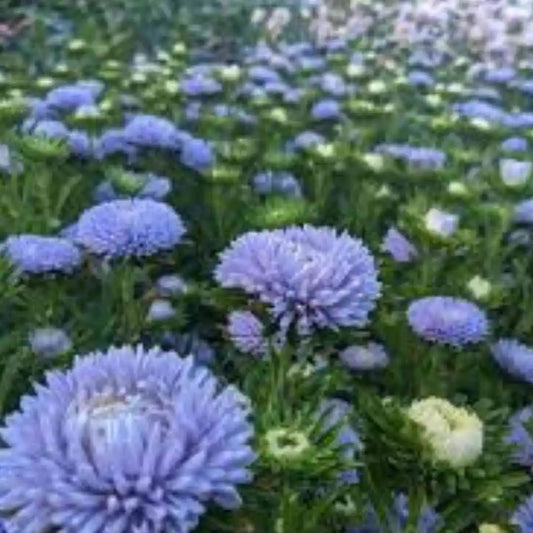
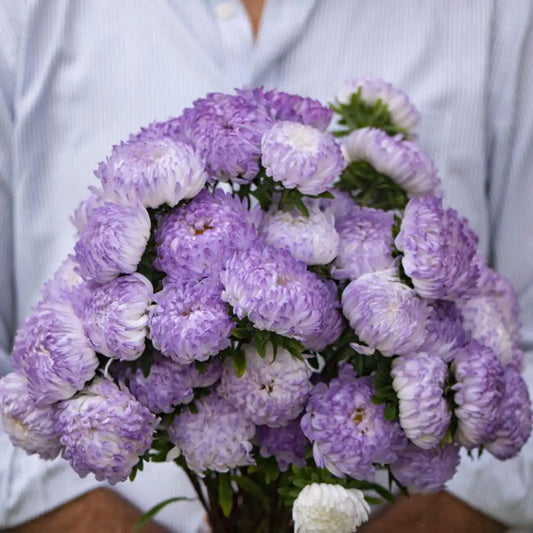
Lavender and blue-toned flowers are useful for cool-coloured gardens and arrangements. They combine naturally with white, blush, silver, purple, and soft yellow flowers.

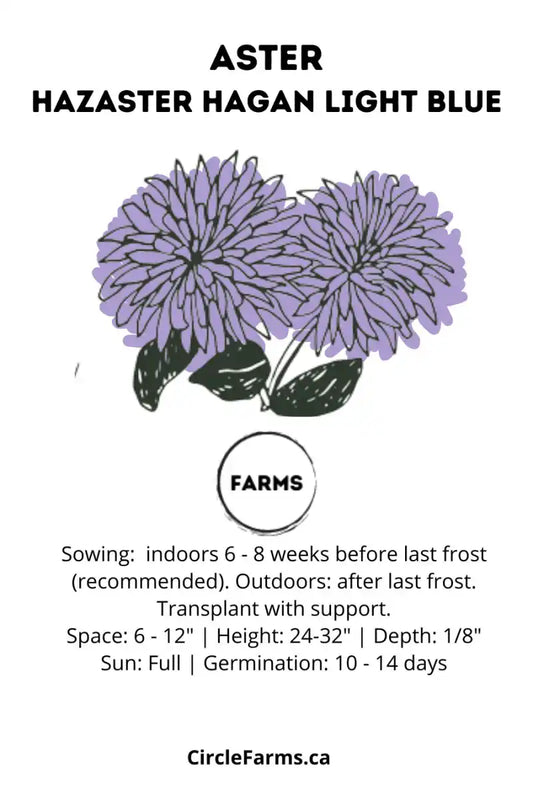
King Size Lady Lavender Aster produces large lavender-toned flowers, while Hazaster Hagan Light Blue Aster adds a lighter blue-lavender shade to cutting beds and bouquets.

Browse more flowers in similar shades through our Blue Flower Seeds collection.

White, Silver, and Yellow Asters

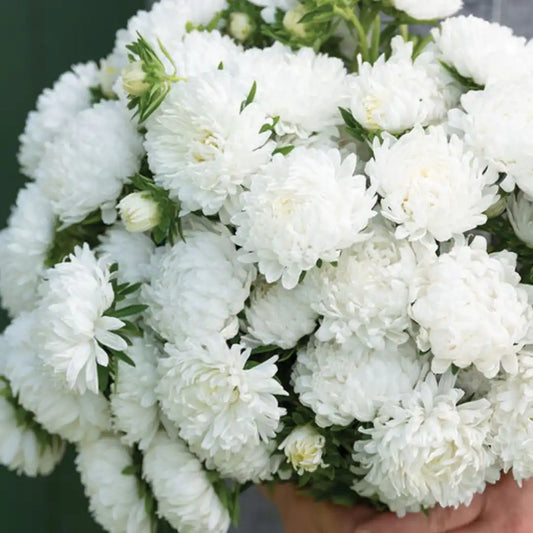
Neutral flowers help connect brighter colours within a bouquet. White asters create contrast, silver-toned flowers soften a palette, and pale yellow blooms add warmth without overwhelming other varieties.

Tower White, Tower Silver, and Tower Yellow asters can be planted separately for a coordinated display or combined with apricot, pink, lavender, and rose flowers.

Gardeners creating pale or wedding-inspired arrangements can also explore our White Flower Seeds collection.

Mixed Aster Seeds

A mixed aster seed packet is a practical choice for gardeners who want several colours from one planting. Mixed varieties can produce a less formal garden display and provide flexibility when creating bouquets throughout the season.

China Tower King Mix combines multiple colours within the Tower flower form. King Size Mix Aster is another option for gardeners seeking large blooms in a varied palette.

Annual Asters vs. Perennial Asters

Feature Annual China Asters Perennial Asters
Common Botanical Group Callistephus chinensis Often Symphyotrichum species
Life Cycle Completes its life cycle in one season Can return for multiple years in suitable climates
Flower Form Available in large, dense, quilled, and florist-style forms Usually produces more open, daisy-like flowers
Primary Use Cut flowers, bouquets, and annual garden colour Permanent borders, naturalized gardens, and pollinator habitats
Planting Strategy Sow new seeds each season Select a species hardy in your local growing zone

The aster seeds in this collection are primarily annual cut-flower varieties. Gardeners seeking flowers that return in future years should explore our Perennial Plant Seeds collection.

How to Grow Asters From Seed

Asters can be started indoors or sown directly outdoors. Indoor starting is generally more reliable for Canadian gardeners because it gives the plants additional time to mature before autumn frost.

Begin seeds indoors approximately 6–8 weeks before your final expected spring frost. Fill clean trays or small pots with moist seed-starting mix. Sow the seeds shallowly according to the packet instructions and cover them with a thin layer of mix.

Keep the growing medium evenly moist during germination without leaving it saturated. Once seedlings emerge, place them beneath strong grow lights. Weak light can produce stretched seedlings with thin stems.

Water when the surface begins to dry and provide gentle airflow around the seedlings. Once they develop several true leaves and begin filling their cells, move them into larger containers if necessary.

For additional botanical information about China asters, visit the North Carolina Extension Gardener Plant Toolbox. General guidance for developing a home cutting garden is available from the University of Minnesota Extension.

Starting Aster Seeds Indoors

Indoor seed starting helps growers control moisture, temperature, and early light. This is especially valuable in regions with short growing seasons.

  1. Fill clean containers with seed-starting mix.
  2. Moisten the mix before sowing.
  3. Plant the seeds shallowly according to the packet directions.
  4. Maintain consistent moisture during germination.
  5. Move seedlings into strong light immediately after emergence.
  6. Provide airflow and avoid overcrowding.
  7. Transplant into larger cells when roots fill the original container.
  8. Harden seedlings off before outdoor planting.

Direct Sowing Aster Seeds

Aster seeds can also be sown directly outdoors after frost danger has passed. Direct sowing works best where the growing season is long enough for plants to mature and flower before fall.

Prepare a loose, weed-free seedbed in full sun. Sow the seeds shallowly and keep the soil surface consistently moist until seedlings emerge. Thin crowded seedlings once they develop true leaves.

Direct-sown plants may flower later than indoor-started asters. Gardeners can use both methods to spread the flowering period.

When to Plant Aster Seeds in Canada

Most Canadian gardeners should start annual aster seeds indoors in late winter or early spring. Count backward approximately 6–8 weeks from your local final expected frost date.

Transplant seedlings outdoors only after they have been hardened off and the danger of damaging frost has passed. Asters tolerate mild conditions, but young indoor-grown plants still require gradual adjustment to wind, sunlight, and fluctuating temperatures.

In regions with longer summers, direct sowing can begin after frost when the soil is workable and warming. Gardeners in colder regions generally achieve earlier and more dependable flowers by starting seeds indoors.

Hardening Off and Transplanting Asters

Hardening off prepares indoor-grown plants for outdoor conditions. Place seedlings outside in a sheltered, shaded location for a short period on the first day. Gradually extend the time outdoors and increase their exposure to sunlight over approximately one week.

Choose a planting site with full sun and well-draining soil. Work compost or well-aged organic matter into poor soil before planting.

Space plants according to the individual variety. Adequate spacing improves airflow and allows stems to branch without severe competition. Avoid crowding asters tightly into damp areas, as prolonged leaf moisture can encourage disease.

Sunlight and Soil Requirements

China asters generally produce their strongest stems and most abundant flowers in full sun. Aim for at least six hours of direct sunlight each day.

The soil should be fertile and well draining. Asters need consistent moisture, but their roots should not remain in saturated soil. Raised beds can improve drainage in gardens with heavy ground.

Adding compost before planting improves soil structure and provides gradual nutrition. Excessive high-nitrogen fertilizer may encourage leafy growth without a matching improvement in flower production.

Watering Aster Plants

Water regularly while seedlings become established and throughout active growth. Apply water deeply around the base of the plants rather than relying on frequent shallow sprinkling.

Maintain relatively consistent soil moisture. Severe drought stress can reduce stem length and flower size, while saturated soil can damage roots.

Watering early in the day gives wet foliage time to dry. Mulch can help retain moisture, suppress weeds, and reduce soil splashing onto lower leaves.

Do Asters Need Support?

Tall cut-flower asters may benefit from support, especially in windy locations or when plants develop multiple heavy blooms. Horizontal flower netting can support an entire row while allowing stems to grow upward through the openings.

Install netting or stakes while plants are still small. Adding support after stems are fully developed can cause bending and breakage.

Shorter varieties planted in sheltered beds may remain upright without additional support. Mature height and branching habit vary by series, so review the individual product information before planting.

Pinching Aster Plants

Pinching removes the central growing tip and encourages the plant to develop more side branches. This can produce a fuller plant with a larger number of flowering stems.

Wait until the plant is established and has developed several sets of true leaves. Remove the top portion immediately above a leaf node using clean snips.

Pinching may produce more stems, but individual stems or flowers can be slightly smaller. Growers seeking one substantial central flower may choose not to pinch certain varieties.

Growing Asters for Cut Flowers

Annual asters are valuable in cutting gardens because they flower later than many spring and early-summer varieties. They can help maintain bouquet production between the peak of summer annuals and the arrival of fall frost.

Combine asters with:

  • Zinnias for bold summer colour
  • Cosmos for airy movement
  • Sunflowers for strong focal blooms
  • Snapdragons for vertical shape
  • Stock for fragrance
  • Persian cress or dill for green texture
  • Statice and strawflowers for long-lasting accents

Explore complementary varieties in our Zinnia Seeds, Cosmos Seeds, and Filler Flower Seeds collections.

When to Harvest Aster Flowers

Harvest asters when the outer petals have opened and the flowers are beginning to display their mature form. Flowers cut too early may not open properly, while fully mature blooms may have a shorter vase life.

Cut stems during a cool part of the day with clean, sharp snips. Remove lower leaves that would sit beneath the waterline and place the stems into clean water promptly.

Allow freshly cut stems to hydrate in a cool location before arranging them. Replace vase water regularly and remove fading plant material.

Do Asters Attract Pollinators?

Open-centred aster flowers can provide pollen and nectar for bees, butterflies, and other visiting insects. Pollinator access varies by flower form because extremely dense double flowers can make the centre more difficult to reach.

Gardeners planting primarily for wildlife should combine florist-style China asters with a wider range of open flowers and regionally suitable native plants.

Browse our Pollinator Plants collection for additional flowers that can provide food and habitat throughout the growing season.

Common Aster Growing Problems

Problem Possible Cause Recommended Action
Seeds do not germinate Incorrect planting depth, temperature, or moisture Sow shallowly and maintain evenly moist conditions
Seedlings become stretched Insufficient indoor light Move seedlings beneath stronger overhead lighting
Plants produce weak stems Crowding, shade, excessive nitrogen, or inadequate support Improve spacing and sunlight and review fertilizer use
Leaves develop a white coating Powdery mildew encouraged by poor airflow Increase spacing and avoid repeatedly wetting foliage
Plants wilt despite moist soil Root stress, drainage problems, or disease Inspect roots and soil drainage and remove severely affected plants
Few flowers develop Too much shade, excess nitrogen, or planting too late Provide full sun and balanced nutrition and start earlier

Quick Aster Seed Planting Instructions

  • Start seeds indoors approximately 6–8 weeks before the final frost.
  • Sow shallowly according to the individual packet directions.
  • Keep the growing mix evenly moist during germination.
  • Provide strong light immediately after seedlings emerge.
  • Maintain airflow and avoid overcrowding.
  • Harden seedlings off gradually before transplanting.
  • Plant in full sun after frost danger has passed.
  • Use fertile, well-draining soil.
  • Install flower netting for tall cut-flower varieties.
  • Water consistently and harvest flowers as they begin opening.

Aster Seeds FAQs

When should aster seeds be planted?

Start annual aster seeds indoors approximately 6–8 weeks before the final expected frost. They can also be direct sown outdoors after frost danger has passed.

How long do aster seeds take to germinate?

Aster seeds commonly germinate in approximately 7–14 days when temperature, moisture, and planting depth are suitable.

Are asters annuals or perennials?

China asters are annuals. Many North American plants commonly called asters are perennials belonging to botanical groups such as Symphyotrichum.

Do asters come back every year?

Annual China asters complete their life cycle in one growing season and should be replanted from seed. Perennial aster species may return when they are hardy in the local climate.

Do aster seeds need light to germinate?

China aster seeds are generally planted shallowly and covered with a thin layer of growing mix. Follow the specific instructions included with the selected variety.

Can asters be direct sown?

Yes. Direct sow outdoors after frost danger has passed. Indoor starting generally produces earlier flowers, particularly in regions with shorter growing seasons.

Do asters prefer sun or shade?

Annual asters generally perform best in full sun. Too much shade can produce weaker stems and fewer flowers.

How tall do China asters grow?

Mature height depends on the variety. Many cut-flower asters reach approximately 24–36 inches, while certain selections may remain shorter or grow taller.

Do asters need to be pinched?

Pinching is optional. It can encourage branching and produce more flowering stems, while unpinched plants may produce a stronger central stem.

Are asters good cut flowers?

Yes. China asters are valued for their strong stems, diverse colours, full flower forms, and late-summer harvest period.

Can asters grow in containers?

Asters can grow in containers when given sufficient root space, full sun, drainage, and regular water. Match the container size to the mature height of the selected variety.

Why are my aster seedlings dying?

Potential causes include saturated growing mix, poor airflow, temperature stress, overcrowding, or seedling disease. Use clean containers and seed-starting mix and avoid overwatering.

Buy Aster Seeds in Canada

Shop aster seeds in Canada for late-summer bouquets, colourful cutting gardens, flower beds, and seasonal arrangements. Choose soft apricot and chamois tones, lavender and pale blue flowers, clean whites, warm yellows, rose shades, or coordinated mixes.

Explore all varieties in this Aster Seeds collection or complete your cutting garden with Zinnia Seeds, Snapdragon Seeds, Stock Seeds, and our complete Flower Seeds collection.