
-
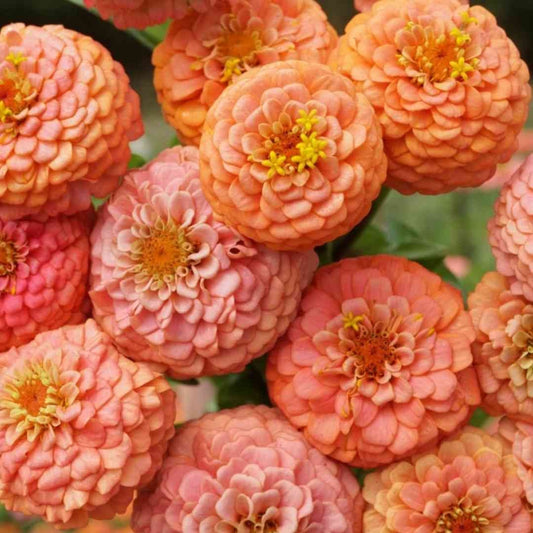
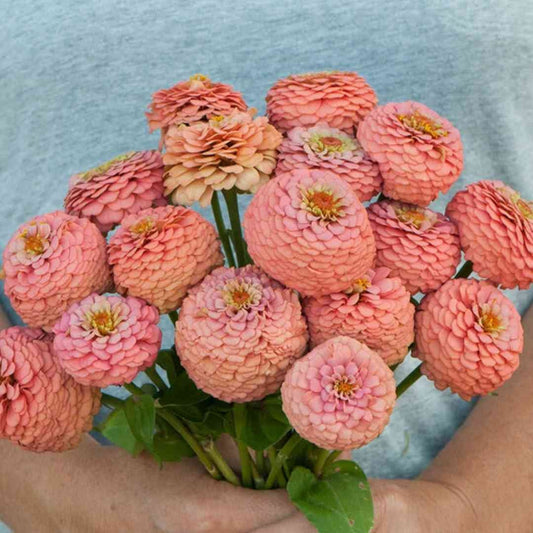
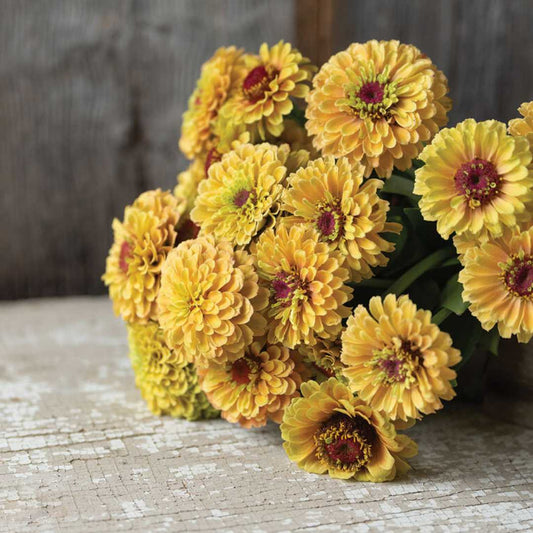
Zinnia Seeds - Oklahoma Salmon
Prix habituel $5.95 CADPrix habituelPrix unitaire par -
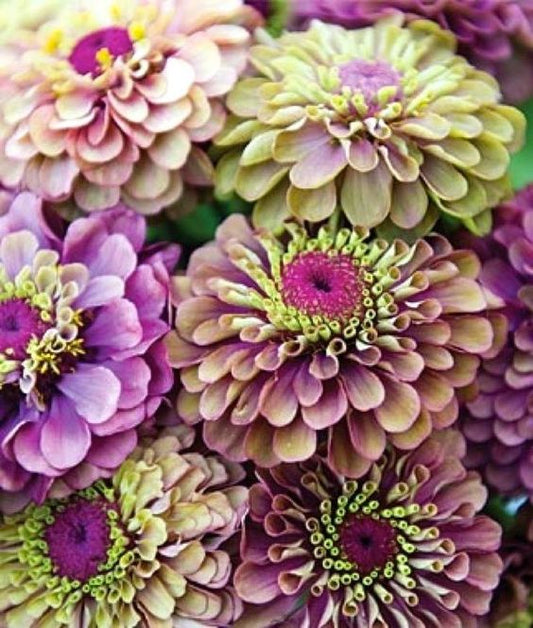
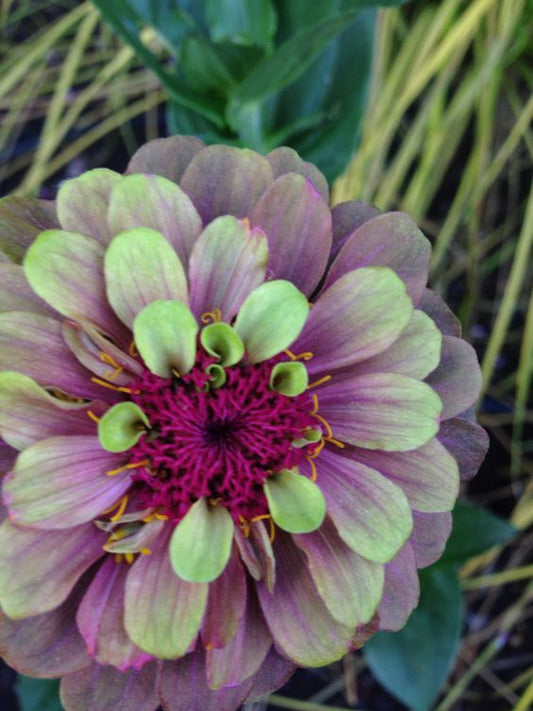
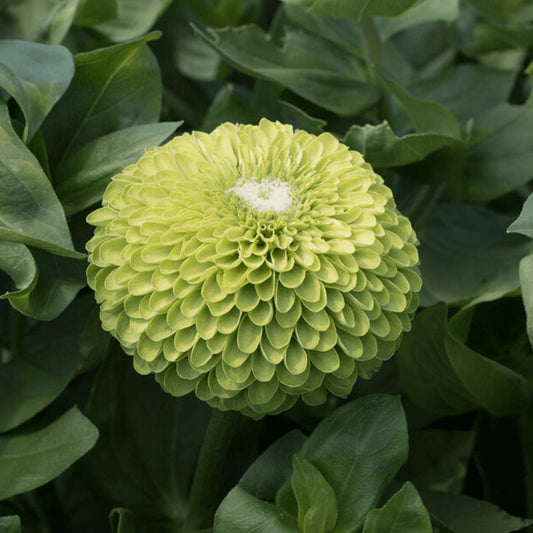
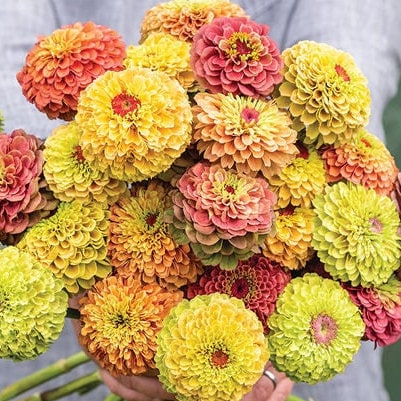
Zinnia Seeds - Queen Lime Red
Prix habituel $8.95 CADPrix habituelPrix unitaire par -
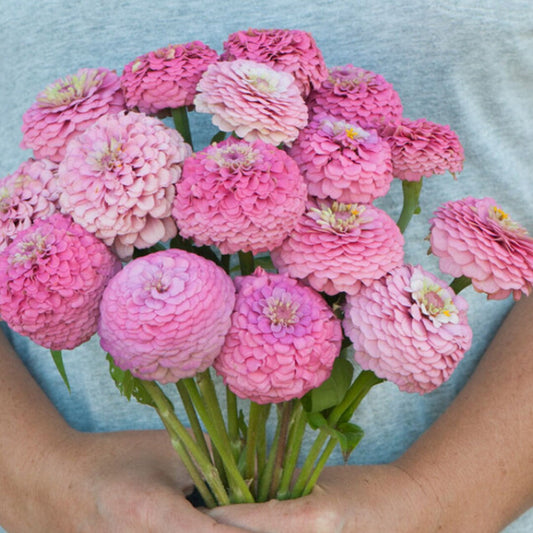
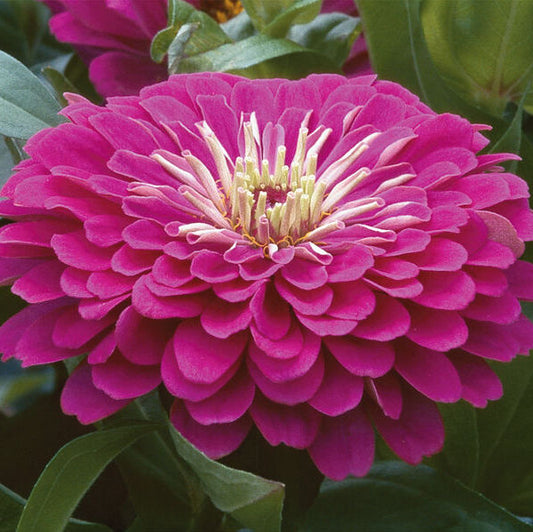
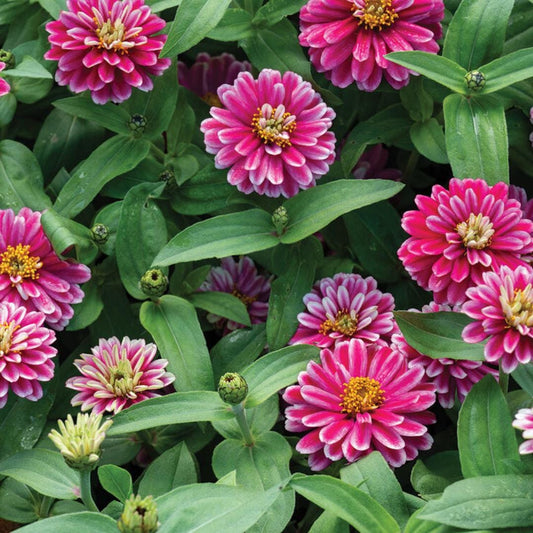
Zinnia Seeds - Oklahoma Pink
Prix habituel $5.95 CADPrix habituelPrix unitaire par -
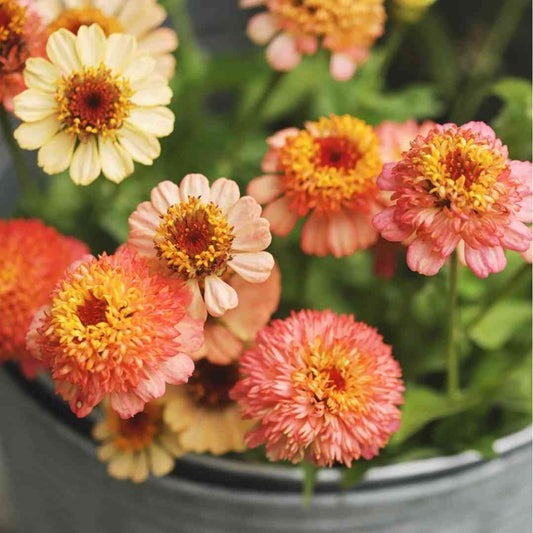
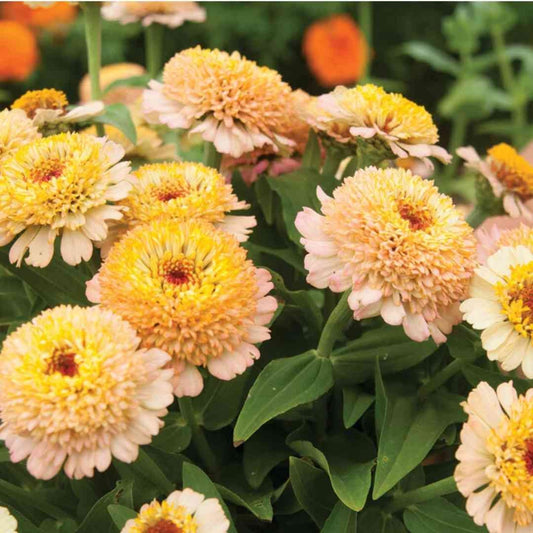
Zinnia Seeds - Zinderella Peach
Prix habituel $8.95 CADPrix habituelPrix unitaire par -
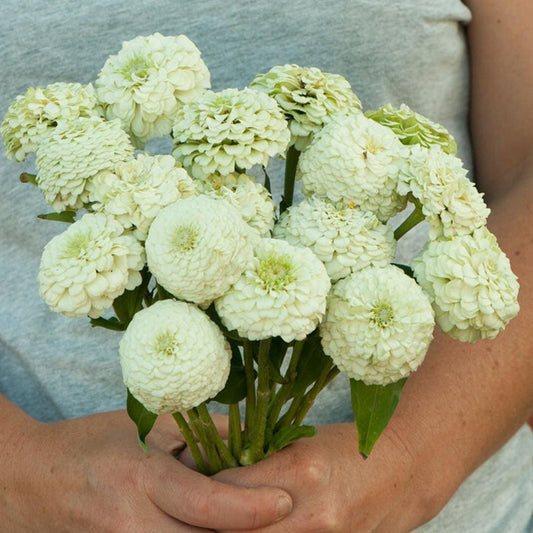
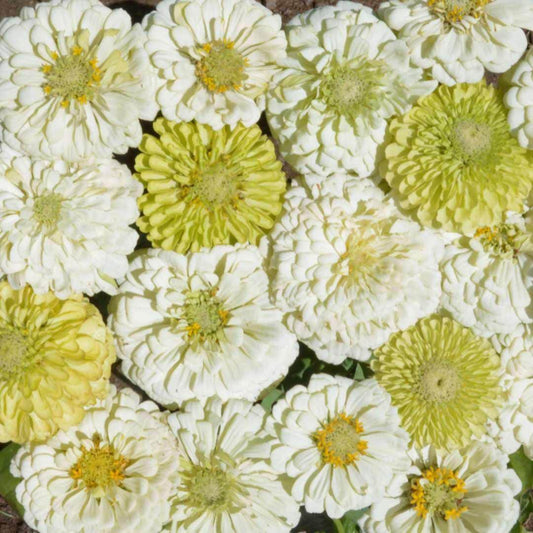
Zinnia Seeds - Oklahoma White
Prix habituel $5.95 CADPrix habituelPrix unitaire par -
Zinnia Seeds - Giant Dahlia Mixed
Prix habituel $4.95 CADPrix habituelPrix unitaire par -
Zinnia Seeds - Queen Lime Orange
Prix habituel $8.95 CADPrix habituelPrix unitaire par -
Zinnia Seeds - Cresto Peaches & Cream
Prix habituel $7.95 CADPrix habituelPrix unitaire par -
Zinnia Seeds - Queen Lime Blush
Prix habituel $8.95 CADPrix habituelPrix unitaire par -
Zinnia Seeds - Benary Giant White
Prix habituel $6.95 CADPrix habituelPrix unitaire par -
Zinnia Seeds - Queen Lemon Peach
Prix habituel $8.95 CADPrix habituelPrix unitaire par -
Zinnia Seeds - Benary Giant Lime
Prix habituel $6.95 CADPrix habituelPrix unitaire par -
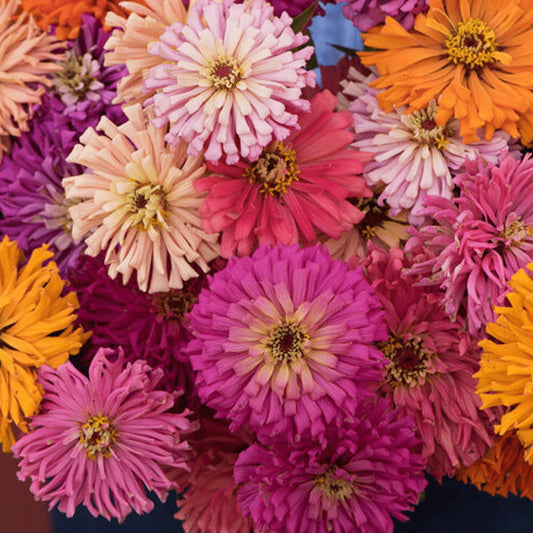
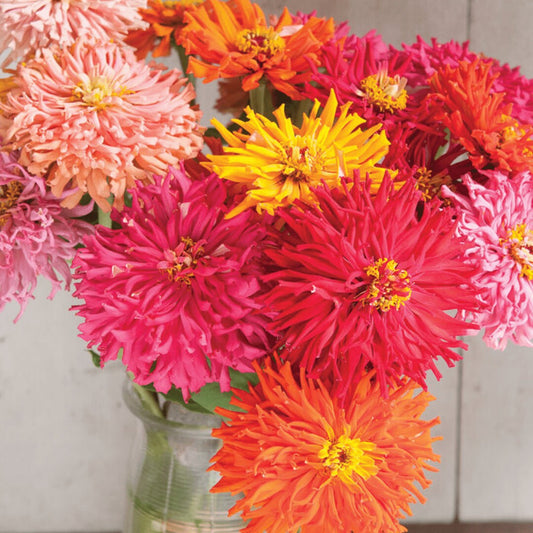
Zinnia Seeds - Cactus Hybrid Mix
Prix habituel $6.95 CADPrix habituelPrix unitaire par -
Zinnia Seeds - Key Lime Pie Mix
Prix habituel $4.95 CADPrix habituelPrix unitaire par -
Zinnia Seeds - Benary Giant Salmon
Prix habituel $6.95 CADPrix habituelPrix unitaire par -
Zinnia Seeds - Benary Giant Purple
Prix habituel $6.95 CADPrix habituelPrix unitaire par -
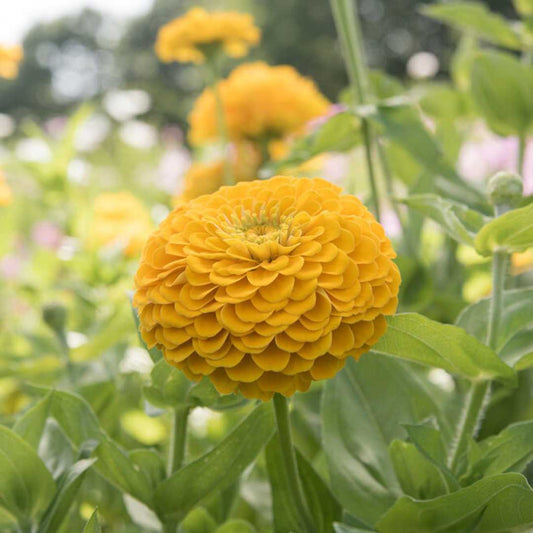
Zinnia Seeds - Benary Giant Golden Yellow
Prix habituel $6.95 CADPrix habituelPrix unitaire par -
Zinnia Seeds - Dwarf Double Zahara Raspberry Ripple
Prix habituel $5.95 CADPrix habituelPrix unitaire par -
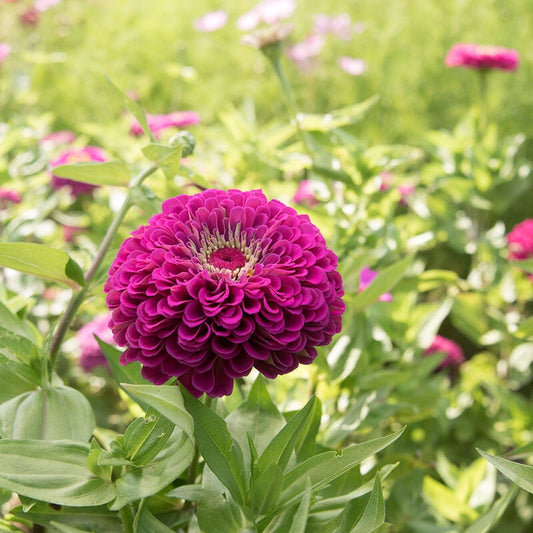
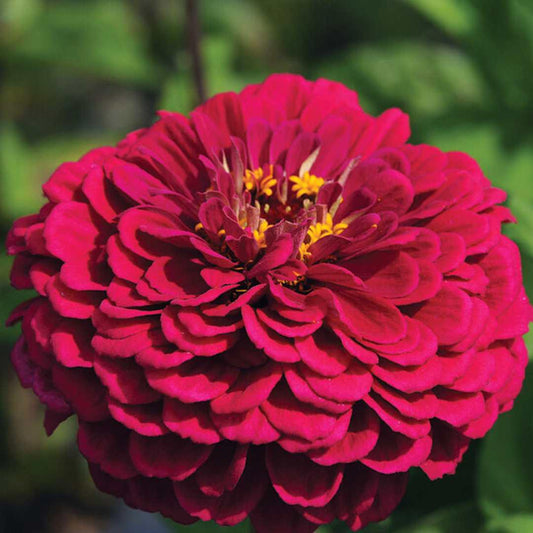
Zinnia Seeds - Benary Giant Wine
Prix habituel $6.95 CADPrix habituelPrix unitaire par -
Zinnia Seeds - Cresto Peachy Pink
Prix habituel $7.95 CADPrix habituelPrix unitaire par -
Zinnia Seeds - Oklahoma Carmine
Prix habituel $5.95 CADPrix habituelPrix unitaire par -
Zinnia Seeds - Queeny Lime Mix
Prix habituel $8.95 CADPrix habituelPrix unitaire par -
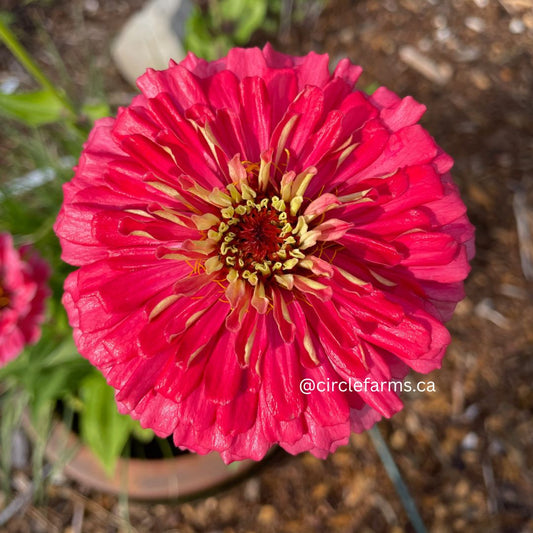
Zinnia Seeds - Benary Giant Carmine Rose
Prix habituel $6.95 CADPrix habituelPrix unitaire par -
Zinnia Seeds - Oklahoma Formula Mix
Prix habituel $5.95 CADPrix habituelPrix unitaire par
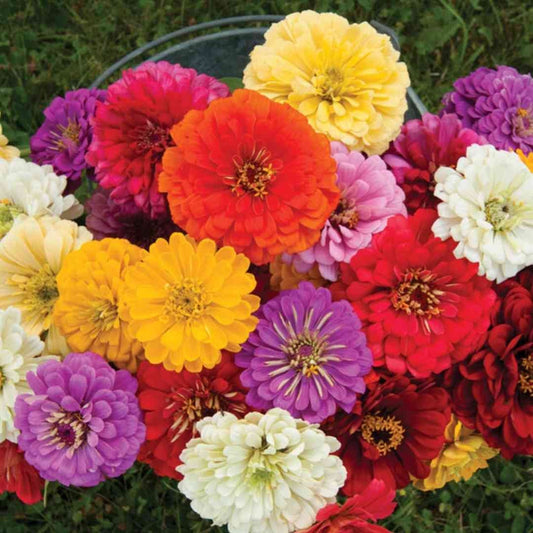
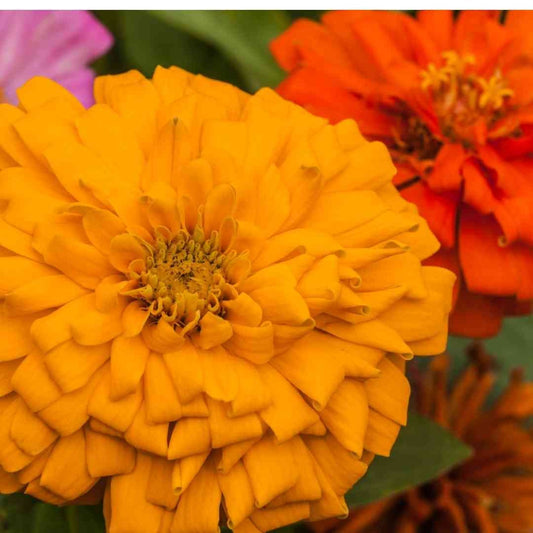
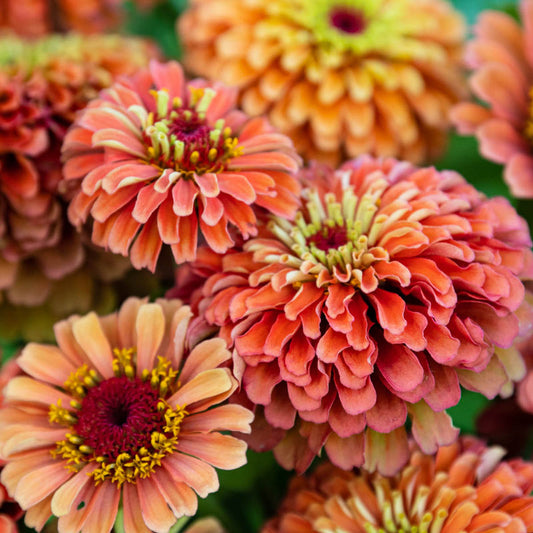
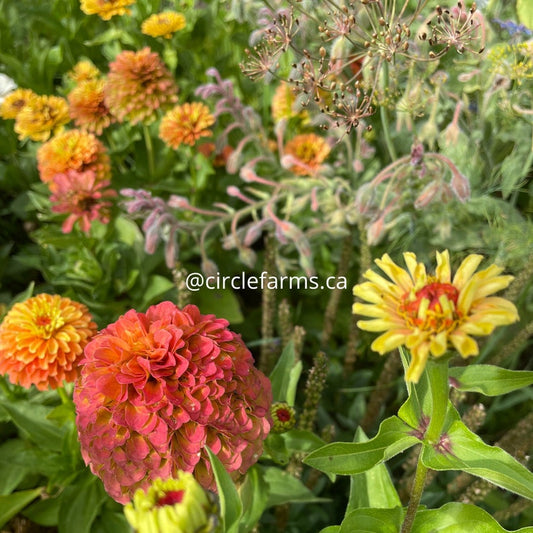

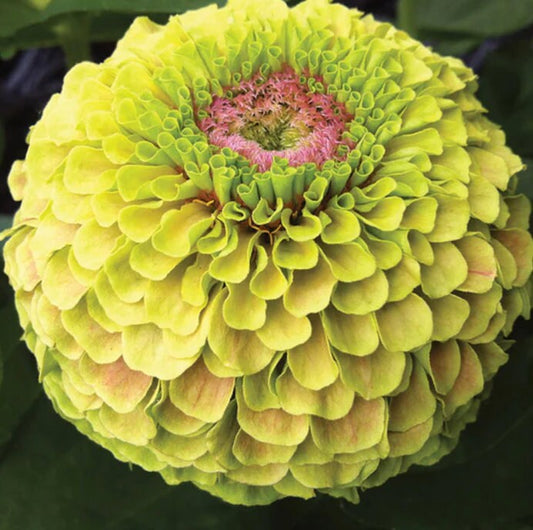
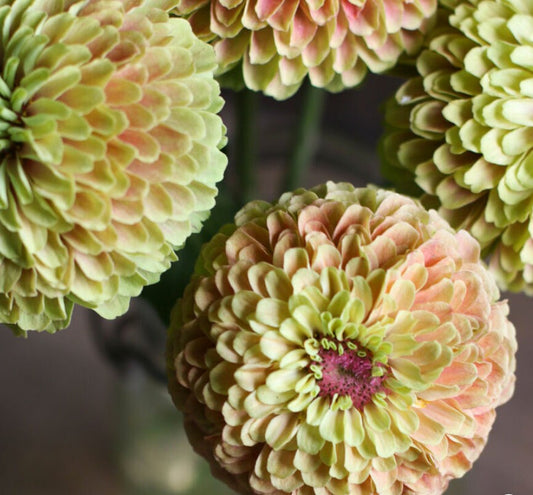
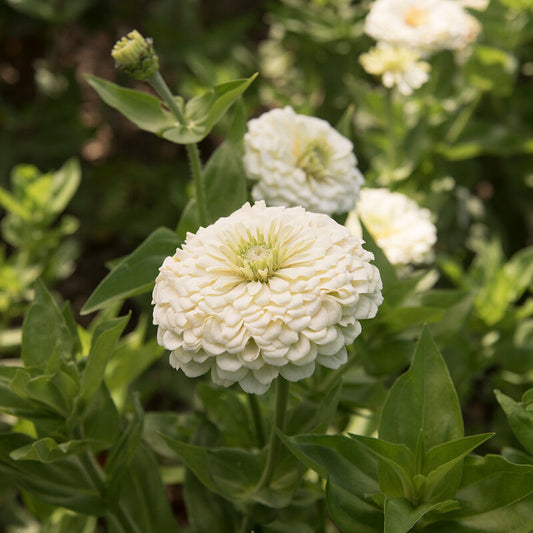
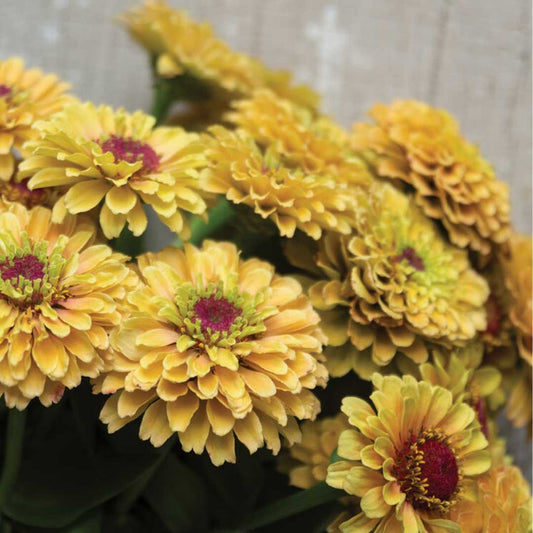







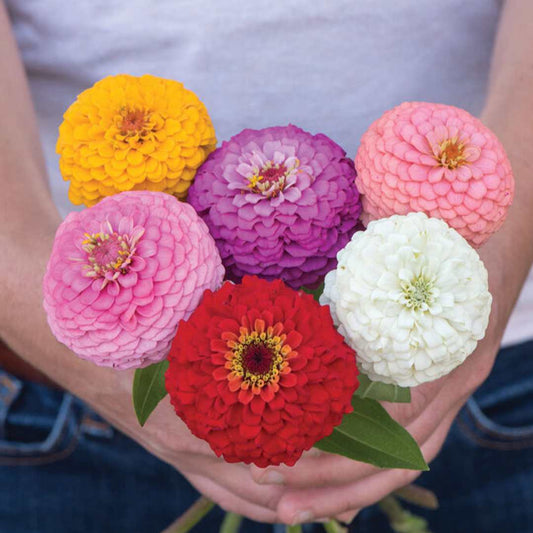
Collection: Zinnia Seeds
Zinnia Seeds for Vibrant, Long-Blooming Canadian Gardens
Zinnia seeds are an excellent choice for Canadian gardeners who want brilliant summer colour, dependable germination, and flowers that continue blooming until frost. These warm-season annuals grow quickly once temperatures rise and produce an impressive range of flower forms, heights, and colours. Depending on the variety, zinnias may develop compact bedding plants, tall stems for bouquets, large dahlia-shaped flowers, soft pastel blooms, or bold multicoloured displays.
Native to Mexico and Central America, zinnias thrive in sunny, warm conditions. They are particularly useful in Canadian gardens because they complete their entire life cycle within one growing season and begin flowering relatively quickly after planting. Gardeners in British Columbia, Alberta, Saskatchewan, Manitoba, Ontario, Quebec, and Atlantic Canada can all grow zinnias successfully by waiting until frost danger has passed and the soil has warmed.
Circle Farms offers zinnia varieties for cut-flower gardens, pollinator plantings, containers, borders, cottage gardens, and colourful mass plantings. Browse this collection to compare compact plants, tall cutting varieties, unusual colour combinations, and classic garden favourites selected for Canadian growing conditions.
Gardeners planning a larger mixed planting can also explore our complete Flower Seeds Collection or combine zinnias with airy summer flowers from the Cosmos Seeds Collection.
Why Grow Zinnias from Seed?
Growing zinnias from seed is one of the most affordable ways to fill a garden with flowers. A relatively small number of seed packets can produce enough plants for borders, bouquets, pollinator beds, and large patches of colour. Zinnia seeds are also large enough to handle easily and generally germinate quickly under warm conditions, making them suitable for both beginning and experienced gardeners.
- Fast-growing annual flowers for Canadian summers
- Available in compact, medium, and tall varieties
- Excellent for bouquets and cut-flower gardens
- Attractive to bees, butterflies, and beneficial insects
- Heat tolerant once established
- Suitable for garden beds, raised beds, and containers
- Long flowering period from summer until frost
- Continued bloom when flowers are harvested or deadheaded regularly
Choosing the Best Zinnia Seeds for Your Garden
The best zinnia variety depends on how much space you have and how you intend to use the flowers. Tall varieties are generally best for cutting because they produce longer stems, while compact zinnias fit more easily into containers, front borders, and smaller urban gardens.
| Zinnia Type | Typical Characteristics | Best Uses |
|---|---|---|
| Tall cutting zinnias | Long stems and large or medium blooms | Bouquets, flower farms, back borders, cutting gardens |
| Compact or dwarf zinnias | Shorter, bushier plants with abundant flowers | Containers, pathways, front borders, small gardens |
| Dahlia-flowered zinnias | Large, rounded, densely petalled blooms | Statement plantings and substantial bouquets |
| Scabiosa or crested zinnias | Distinctive raised centres and unusual flower forms | Specialty bouquets and unique garden displays |
| Single-flowered zinnias | Open centres that are easy for insects to access | Pollinator gardens and naturalistic plantings |
| Colour blends | Several coordinated colours in one packet | Mass plantings, mixed borders, and colourful bouquets |
For a cutting garden, choose several varieties with complementary colours and different flower sizes. Large blooms create focal points, while smaller zinnias help fill spaces within bouquets. For pollinator gardens, include single and semi-double flowers alongside fuller varieties so pollen and nectar remain easily accessible.
Zinnia Growing Details at a Glance
| Growing Factor | General Recommendation |
|---|---|
| Plant type | Warm-season annual flower |
| Sun exposure | Full sun, ideally 6–8 or more hours daily |
| Indoor starting | Approximately 4–6 weeks before the final frost |
| Direct sowing | After frost danger has passed and the soil is warm |
| Germination | Often 3–7 days under consistently warm conditions |
| Plant spacing | Approximately 15–30 cm, depending on mature size |
| Soil | Loose, moderately fertile, and well draining |
| Water | Consistent moisture during establishment; avoid saturated soil |
| Bloom period | Summer until the first killing frost |
| Primary uses | Cut flowers, containers, borders, pollinator beds, and mass plantings |
How to Grow Zinnias from Seed
Zinnias may be started indoors for an earlier bloom or sown directly where they will grow. Because they develop quickly and dislike prolonged root disturbance, avoid starting them excessively early or allowing seedlings to become crowded in small containers.
Starting Zinnia Seeds Indoors
- Start seeds approximately four to six weeks before your expected final spring frost.
- Fill clean cells or small pots with lightly moistened seed-starting mix.
- Sow seeds at the depth indicated on the packet and cover gently.
- Keep the mix warm and evenly moist, but never saturated.
- Place seedlings under bright grow lights as soon as they emerge.
- Maintain airflow and avoid crowding the young plants.
- Harden seedlings off gradually before transplanting them outdoors.
- Plant outside only after frost danger has passed and nights are reliably mild.
For more information about temperature, light, moisture, and common germination problems, read our guide to understanding seed germination.
Direct Sowing Zinnia Seeds
Direct sowing is simple and works especially well for gardeners who do not need the earliest possible flowers. Prepare a weed-free bed, sow after the soil warms, and keep the planting area consistently moist until seedlings are established.
Zinnias grow quickly enough that direct-sown plants can still provide a long flowering season in many parts of Canada. In colder or shorter-season regions, starting a portion indoors and direct sowing a second group can extend the bloom period.
Explore other beginner-friendly annuals in Circle Farms’ Direct Sow Flower Seeds Collection.
Canadian Zinnia Planting Calendar
| Region | Start Indoors | Transplant or Direct Sow |
|---|---|---|
| Coastal British Columbia | March to April | After local frost danger passes, often May |
| Southern Ontario and Quebec | April | Late May to early June, depending on location |
| Prairie provinces | Mid-to-late April | Late May or early June after frost risk |
| Atlantic Canada | April | Late May to early June as conditions warm |
| Zone 3 and northern gardens | Approximately 4–6 weeks before the local frost-free date | After frost danger and once the soil is warm |
These periods are general guidelines. Local frost dates, elevation, exposure, and yearly weather can shift planting by several weeks. Zinnias should not be rushed into cold soil simply because the calendar reaches a particular date.
Sun, Soil, Spacing, and Water
Full Sun
Zinnias perform best with at least six to eight hours of direct sunlight. Strong light promotes upright stems, abundant flowers, and faster drying after rain. Plants grown in excessive shade may stretch, lean, flower less, and remain damp for longer periods.
Well-Draining Soil
Plant zinnias in loose soil that drains well. Moderate fertility is sufficient. Excessive nitrogen can produce large plants with abundant foliage but fewer flowers, so avoid repeatedly applying strong high-nitrogen fertilizer without evidence that it is needed.
Compost can improve poor soil structure, but it should be fully finished and incorporated without creating an overly rich planting bed.
Proper Spacing and Airflow
Follow the spacing listed for each variety. Compact plants can be positioned closer together than tall, branching cutting varieties. Adequate spacing improves airflow, allows light to reach lower foliage, and makes flowers easier to harvest.
Consistent Watering
Keep the soil evenly moist while seeds germinate and plants establish. Mature zinnias tolerate brief dry periods, but prolonged drought can reduce flower size and production. Water near the soil rather than repeatedly wetting the leaves, and water deeply enough to encourage roots to grow into the surrounding ground.
Trusted by Canadian Gardeners Coast to Coast
Thousands of gardeners across Canada trust Circle Farms for high-quality flower, herb, and vegetable seeds selected for Canadian growing conditions.
Diane Tuchscherer
“I just couldn't pass up the beautiful colors of zinnias, asters, cosmos and poppies. The selection is huge and non-typical so I'll have the most unique flower garden in the neighborhood. The online purchase method was easy to complete.”
Kristen van Winkle Racette
“Circle Farms started my zinnia obsession. Every year I grow more zinnia varieties and love trying new flowers from their selection. The seeds arrive quickly, the website is easy to use, and the flower varieties are amazing.”
Rachel Christine
“Last season I grew zinnias and celosia from Circle Farms and they performed beautifully in my garden. The colours were incredible and the germination was excellent. I’m excited to grow even more varieties this season.”
Growing Zinnias for Cut Flowers
Tall zinnias are favourites for home cutting gardens because they produce multiple stems and respond well to regular harvesting. Pinching young plants can encourage branching, while removing flowers before they fade redirects energy into new growth.
Harvest when stems are firm enough to support the bloom. Cut above a healthy set of leaves so the plant can branch from the remaining nodes. Use clean tools and place stems into fresh water promptly.
To create balanced bouquets, combine substantial zinnia blooms with lighter flowers such as cosmos, airy fillers, ornamental grasses, or textured foliage. Planting several varieties with coordinated colours provides more flexibility throughout the season.
Zinnias for Bees, Butterflies, and Pollinator Gardens
Zinnias can provide pollen and nectar during summer, particularly varieties with open or visible centres. Bees, butterflies, hoverflies, and other insects may visit the flowers throughout the day.
For stronger habitat value, avoid relying on one flower alone. Combine zinnias with species that bloom before and after them, include several flower shapes, and reduce unnecessary pesticide use. Browse Circle Farms’ Pollinator Plants Collection to create a more diverse sequence of seasonal flowers.
How to Keep Zinnias Blooming All Summer
Zinnias produce the most flowers when mature blooms are harvested or removed regularly. If old flower heads remain on the plant, energy shifts toward seed development. Deadheading encourages the plant to continue branching and producing buds.
- Harvest or deadhead flowers several times each week during peak bloom.
- Cut above a healthy branching point rather than removing only the flower head.
- Water consistently during extended hot or dry periods.
- Maintain airflow by avoiding overcrowding.
- Remove damaged or heavily diseased foliage.
- Avoid excessive nitrogen fertilizer.
- Continue harvesting until frost ends the growing season.
Read our detailed guide on how to keep zinnias blooming all summer in Canadian gardens for pruning, watering, and harvesting advice.
Common Zinnia Problems
Powdery Mildew
Powdery mildew appears as a pale or powdery coating on foliage. Risk increases when plants are crowded, airflow is poor, or leaves remain damp. Space plants correctly, water at soil level, and remove heavily affected material.
Few Flowers
Insufficient sunlight, excessive nitrogen, overcrowding, or failure to remove mature flower heads can reduce bloom production. Check growing conditions before adding more fertilizer.
Weak or Leggy Seedlings
Seedlings commonly stretch when they do not receive enough light. Place them under bright grow lights immediately after emergence and keep the lights close enough to support compact growth without overheating the foliage.
Transplant Stress
Move seedlings outdoors gradually. Abrupt exposure to strong sun, cold wind, or cool nights can damage tender indoor-grown plants. Harden them off over several days before final planting.
Zinnia Planting Checklist
- Choose a variety suited to your garden space and intended use.
- Wait until frost danger has passed before outdoor planting.
- Select a site receiving at least six to eight hours of direct sun.
- Prepare loose, well-draining soil.
- Follow the variety-specific sowing depth and spacing.
- Keep the soil evenly moist during germination.
- Provide enough room for air to move between mature plants.
- Harvest or deadhead regularly to encourage continuous bloom.
For a complete step-by-step introduction, visit our guide to planting and growing zinnia seeds.
Zinnia FAQ – Expert Answers for Gardeners
Do zinnias come back every year?
Zinnias are annuals, meaning each plant completes its life cycle in one growing season and dies after a killing frost. New plants may occasionally appear from seeds dropped during the previous season, but this is self-seeding rather than perennial regrowth.
Why are zinnias sometimes called a “dirty flower”?
The informal phrase may refer to pollen, insects, or debris collecting around an open flower centre. It is not a botanical classification and does not mean the plant is unhealthy. Open-centred flowers can be particularly useful to pollinating insects because their resources are easier to reach.
Do zinnias prefer sun or shade?
Zinnias strongly prefer full sun. At least six to eight hours of direct sunlight supports strong stems and abundant flowers. Plants may survive in partial shade, but they usually produce fewer blooms and may be more susceptible to problems associated with slow-drying foliage.
Can zinnias grow in containers?
Yes. Compact zinnias are especially well suited to pots and planters. Use a container with drainage holes, quality potting mix, and enough space for the mature plant. Containers dry more quickly than garden beds, so monitor moisture regularly.
What should I do with zinnias in the fall?
Allow healthy plants to continue blooming until frost. Save mature seed heads if desired, then remove dead plants after the first killing frost. Healthy material may be composted, while heavily diseased foliage is better removed from the growing area.
When should zinnias be removed in the fall?
Pull plants after a killing frost causes them to blacken or collapse. If you intend to save seeds, collect fully mature and dry flower heads first.
What should not be planted beside zinnias?
Avoid pairing zinnias so closely with dense or shade-producing plants that airflow and sunlight are restricted. They also do not share ideal conditions with plants that require constantly saturated soil. Sun-loving flowers such as cosmos, marigolds, and sunflowers are generally more compatible.
How long do zinnias take to bloom from seed?
Timing depends on the variety, planting method, and weather. Many zinnias begin flowering within several weeks of germination, while large or tall varieties may require a longer establishment period. Check the estimated maturity information listed for the specific seed variety.
Why Gardeners Across Canada Choose Circle Farms
Circle Farms is a Canadian-owned seed company focused on high-quality flower, herb, and vegetable seeds selected for real Canadian growing conditions. Founded by experienced gardeners, Circle Farms has built a strong reputation for reliable germination, carefully selected varieties, and fast Canadian shipping.
Free standard shipping across Canada on all seed orders
4.9★ Google rating from 190+ verified reviews
4.9★ Etsy rating from 400+ customer reviews
Canadian-owned and operated seed company
Seeds selected for Canadian climate zones and growing seasons

