Circle Farms
Dill - Ella (Organic)
Dill - Ella (Organic)
Couldn't load pickup availability
125+ Seeds
Organic Dill Seeds – Compact Ella Dill
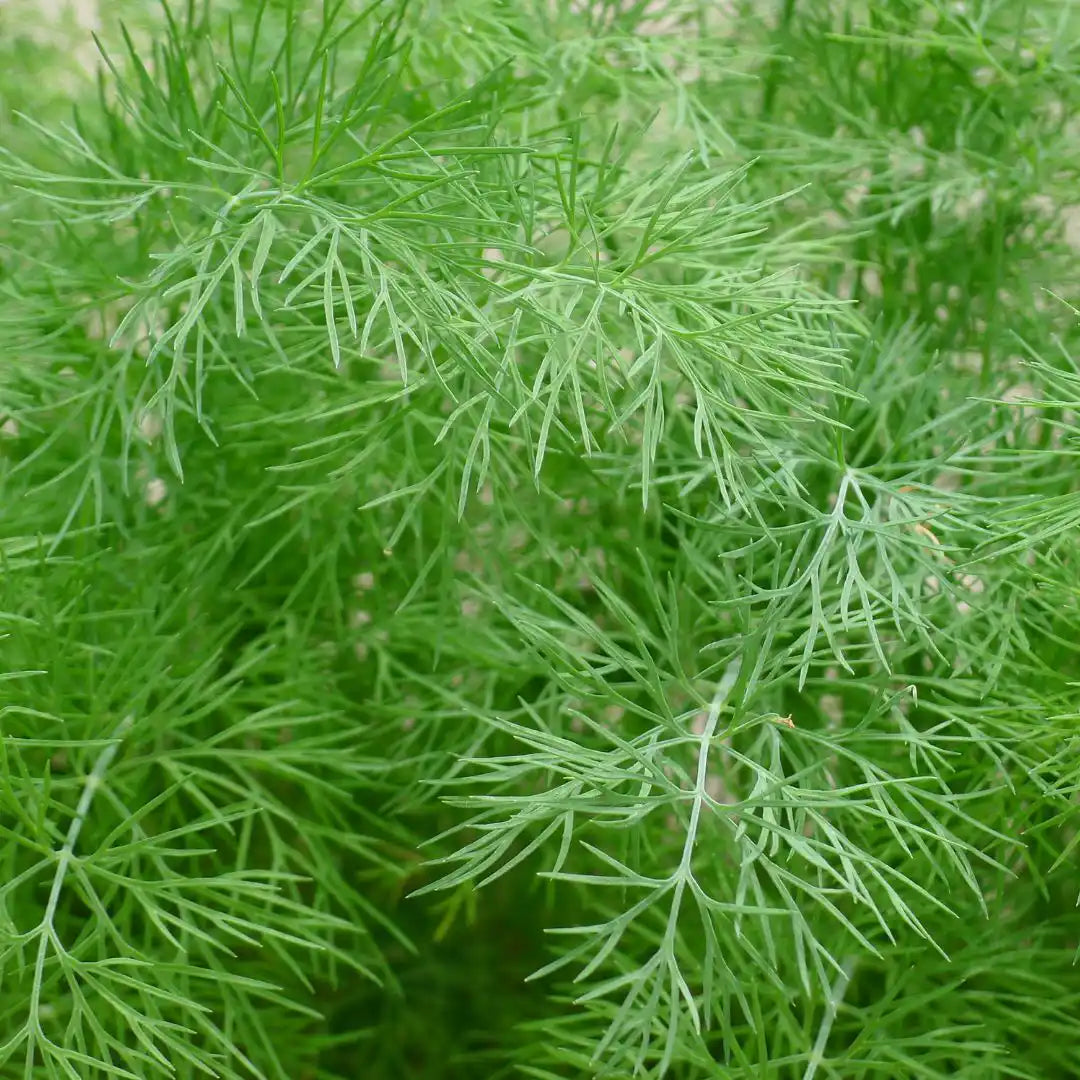
Grow aromatic foliage in garden beds, pots, or window boxes with Ella Organic Dill seeds. Ella is a compact, bushy dill variety selected for dense leaf production, small-space growing, and a longer harvest window before flowering.
This organic dill produces fine, feathery leaves with the fresh, distinctive flavour used in pickles, fish dishes, potato salads, soups, sauces, dressings, eggs, and summer vegetable recipes. Its controlled growth makes it easier to manage than standard tall dill varieties, particularly in containers and patio herb gardens.
Ella Dill can be harvested for fresh foliage approximately 40–45 days after planting. Plants allowed to mature produce flat yellow flower umbels that attract visiting insects and eventually develop aromatic dill seeds for pickling, cooking, or seed saving.
Each packet contains approximately 125 organic dill seeds. Browse more culinary herbs in our Herb Seeds collection.
Ella Organic Dill Growing Information
| Growing Detail | Information |
|---|---|
| Variety | Ella Organic Dill |
| Botanical Name | Anethum graveolens |
| Seed Count | Approximately 125 seeds |
| Seed Type | Organic |
| Plant Type | Annual culinary herb |
| Growth Habit | Compact, dense, and bushy |
| Typical Height | Approximately 10–24 inches, depending on growing conditions |
| Sun Exposure | Full sun |
| Recommended Sowing | Direct sowing |
| Seed Depth | Approximately ⅛–¼ inch |
| Plant Spacing | Approximately 4 inches for compact leaf production |
| Germination | Approximately 7–21 days |
| Leaf Maturity | Approximately 40–45 days |
| Seed Maturity | Approximately 85–105 days |
| Best Uses | Fresh herbs, containers, pickling, flowers, and culinary seeds |
What Makes Ella Dill Different?
Traditional dill can become tall and narrow, making it difficult to manage in compact spaces. Ella Dill has a shorter, denser growth habit that makes it particularly suitable for patio containers, balcony gardens, raised beds, window boxes, and small herb gardens.
The plants produce abundant aromatic foliage before transitioning into flower and seed production. This provides gardeners with more time to harvest fresh organic dill leaves for cooking.
Ella is a strong choice for gardeners who want:
- A compact dill variety for containers
- Dense, feathery foliage
- A slower transition to flowering
- Fresh dill for repeated kitchen harvests
- Yellow umbels for pollinator-friendly gardens
- Dill seed for pickling and cooking
- An organic herb suitable for small spaces
How to Grow Organic Dill From Seed
Dill develops a taproot and generally performs best when sown directly where it will grow. Prepare a sunny garden bed or container with loose, well-draining soil.
Sow the seeds approximately ⅛–¼ inch deep and cover them lightly. Keep the soil consistently moist while germination occurs, but avoid keeping it saturated.
Ella organic dill seeds generally germinate in approximately 7–21 days. Germination may be slower in cold soil, so allow enough time before assuming the seeds have failed.
Once seedlings are established, thin them to approximately 4 inches apart for dense foliage production. Removed seedlings can be used as tender micro-herbs when grown and handled for culinary use.
For additional cultivation guidance, visit the University of Minnesota Extension guide to growing dill and the University of Illinois Extension dill guide.
When to Plant Dill in Canada
Dill is a cool-tolerant annual herb that can be planted during spring once the soil is workable. Exact timing varies by region and local weather.
Make additional sowings every two to three weeks through early or midsummer to maintain a steady supply of tender leaves. A single planting eventually shifts from leaf production into flowering and seed development.
Gardeners can also sow dill in late summer for a fall foliage harvest, provided enough growing time remains before severe frost.
Starting Dill Indoors
Direct sowing is recommended because dill does not always respond well to root disturbance. However, seeds can be started indoors when outdoor space is unavailable or the growing season requires an earlier start.
Sow three to five seeds in a deeper cell or individual pot. Transplant the entire root ball carefully without separating or damaging the roots.
Harden indoor-grown plants off over approximately one week before planting them permanently outside.
Growing Ella Dill in Containers
Ella is one of the best dill varieties for container gardening because its compact habit requires less vertical space than standard dill.
Choose a container with drainage holes and enough depth for the taproot. Fill it with quality potting mix rather than dense garden soil.
Place the container where it receives at least six hours of direct sunlight daily. Window boxes, balcony planters, patio pots, and raised containers can all work when adequate light is available.
Container soil dries more quickly than garden beds. Check moisture regularly and water thoroughly when the upper layer begins to dry.
Explore additional small-space varieties in our Container Garden Compact Plants collection.
Sunlight, Soil, and Water
Dill produces its strongest foliage in full sun. Plants grown in limited light may become thin, pale, or less aromatic.
Use well-draining soil enriched with a moderate amount of organic matter. Dill does not usually require heavy feeding, and excessive nitrogen can produce soft, weak growth.
Maintain consistent moisture during germination and early growth. Established plants tolerate brief dry periods, but repeated drought stress can encourage premature flowering and reduce leaf quality.
How to Harvest Fresh Dill
Begin harvesting leaves once the plants have enough growth to recover from cutting. Ella Dill reaches leaf maturity in approximately 40–45 days under suitable conditions.
Use clean scissors and remove individual stems rather than cutting the entire plant at once. Leave enough foliage for continued growth.
Fresh dill has the strongest flavour soon after harvest. Place cut stems in water for short-term use or wrap them lightly and refrigerate them.
Dill leaves can also be frozen. Drying is possible, but dried dill generally loses more of its fresh flavour than frozen foliage.
Using Organic Dill in the Kitchen
The delicate leaves have a bright, fresh flavour that pairs especially well with:
- Fish and seafood
- Potatoes and potato salad
- Cucumber salads
- Soups and broths
- Egg dishes
- Yogurt-based sauces
- Salad dressings
- Roasted vegetables
- Homemade pickles
Add fresh dill near the end of cooking to preserve more of its aroma. The foliage can also be used raw as a garnish.
Gardeners planning homemade pickles can pair Ella Dill with varieties from our Cucumber Seeds collection.
Growing Dill for Pickling
Dill leaves, flower heads, and seeds can all be used in pickling recipes. Ella is particularly useful for gardeners who want a compact plant that provides fresh foliage before eventually forming seed umbels.
For traditional dill pickles, green flower heads can be harvested after the flowers fade but before the seeds become fully dry. Follow a tested food-preservation recipe when preparing shelf-stable pickles.
For a taller, early-flowering variety specifically suited to large flower heads, compare Ella with Bouquet Dill.
Dill Flowers and Pollinators
Plants allowed to mature produce broad yellow flower clusters called umbels. These contain many small flowers that are accessible to bees, hoverflies, wasps, and other visiting insects.
Leave selected plants to flower when you want to support garden biodiversity or harvest culinary dill seed. Keep other plants trimmed for continued leaf production.
How to Harvest Dill Seeds
Dill seed reaches maturity approximately 85–105 days after planting. Watch the flower heads as the seeds develop and change from green to tan or light brown.
Cut the stalks before the seeds begin falling freely. Place the heads upside down inside paper bags and hang them in a dry, well-ventilated location.
As the seeds finish drying, they will fall into the bag. Store completely dry seeds in an airtight container away from heat, moisture, and bright light.
Preventing Dill From Bolting Too Early
Bolting is the natural transition from leaf growth to flower and seed production. Hot weather, dry soil, root stress, and plant maturity can accelerate this process.
To extend the leaf harvest:
- Maintain consistent soil moisture.
- Use a sufficiently deep container.
- Avoid damaging the taproot.
- Make repeated sowings rather than relying on one planting.
- Harvest foliage regularly without removing too much at once.
- Provide light afternoon protection during extreme heat where practical.
Common Dill Growing Problems
| Problem | Possible Cause | Recommended Action |
|---|---|---|
| Seeds do not germinate | Cold soil, planting too deeply, or inconsistent moisture | Sow shallowly and maintain even moisture |
| Plants become thin | Insufficient sunlight or crowding | Increase light and thin seedlings |
| Dill flowers early | Heat, drought, root stress, or natural maturity | Water consistently and make succession sowings |
| Leaves turn yellow | Overwatering, poor drainage, or root stress | Check drainage and avoid saturated soil |
| Container dries quickly | Small pot, hot weather, or wind | Use a larger container and check moisture frequently |
Quick Ella Organic Dill Planting Instructions
- Direct sow as soon as the soil can be worked.
- Choose a location with full sun.
- Plant seeds approximately ⅛–¼ inch deep.
- Keep the soil consistently moist during germination.
- Expect seedlings in approximately 7–21 days.
- Thin plants to approximately 4 inches apart.
- Make new sowings every two to three weeks.
- Begin harvesting leaves after approximately 40–45 days.
- Allow selected plants to flower for pollinators and seed.
- Harvest mature seeds after approximately 85–105 days.
Ella Organic Dill FAQs
What is Ella Dill?
Ella is a compact dill variety with dense, aromatic foliage. It is particularly well suited to containers and small herb gardens.
Is Ella Dill organic?
Yes. This product contains organic Ella dill seeds.
How tall does Ella Dill grow?
Ella remains more compact than many standard dill varieties. Final height can range from approximately 10–24 inches depending on sunlight, spacing, soil, and growing conditions.
Can organic dill grow in pots?
Yes. Ella Dill is specifically well suited to containers. Use a deep pot with drainage holes and place it in full sun.
How long does dill take to grow?
Ella Dill reaches leaf maturity in approximately 40–45 days. Mature seed production generally takes approximately 85–105 days.
Should dill be started indoors?
Direct sowing is preferred because dill develops a taproot. Indoor starting is possible when seedlings are grown in deeper cells and transplanted carefully.
How often can dill be harvested?
Small amounts can be harvested repeatedly once the plant is established. Leave enough foliage for continued growth.
Does dill come back every year?
Dill is an annual. It completes its life cycle in one season, but mature plants may drop seeds that germinate the following year.
Can Ella Dill be used for pickling?
Yes. The fresh leaves, green flower heads, and mature seeds can all be used in appropriate pickling recipes.
What is the difference between Ella and Dukat Dill?
Both offer dense, flavourful foliage and perform well in containers. Ella is selected for compact growth, while Dukat Dill is known for especially rich flavour and lush foliage.
Grow Organic Dill in Containers or Garden Beds
Ella Organic Dill is a practical choice for gardeners seeking compact growth, fresh culinary leaves, pickling herbs, pollinator-friendly flowers, and aromatic seeds. Grow it in a sunny garden bed, raised planter, patio pot, balcony container, or window box.
Browse additional culinary varieties in our Herb Seeds collection or compare Ella with Bouquet and Dukat Dill to create a longer, more varied dill harvest.
Share