

Circle Farms
Rudbeckia Seeds - Triloba Black Eyed Susan
Rudbeckia Seeds - Triloba Black Eyed Susan
Couldn't load pickup availability
Product Information
Seed Count: ~40 seeds
Botanical Name: Rudbeckia triloba
Plant Height: 120–150 cm (48–60 in)
Sun Exposure: Full sun to part sun
Days to Maturity: ~90–110 days
Frost Hardy: Yes (Short lived Perennial, Zones 3–9)
Rudbeckia Triloba Seeds – Brown-Eyed Susan with Late-Season Blooms
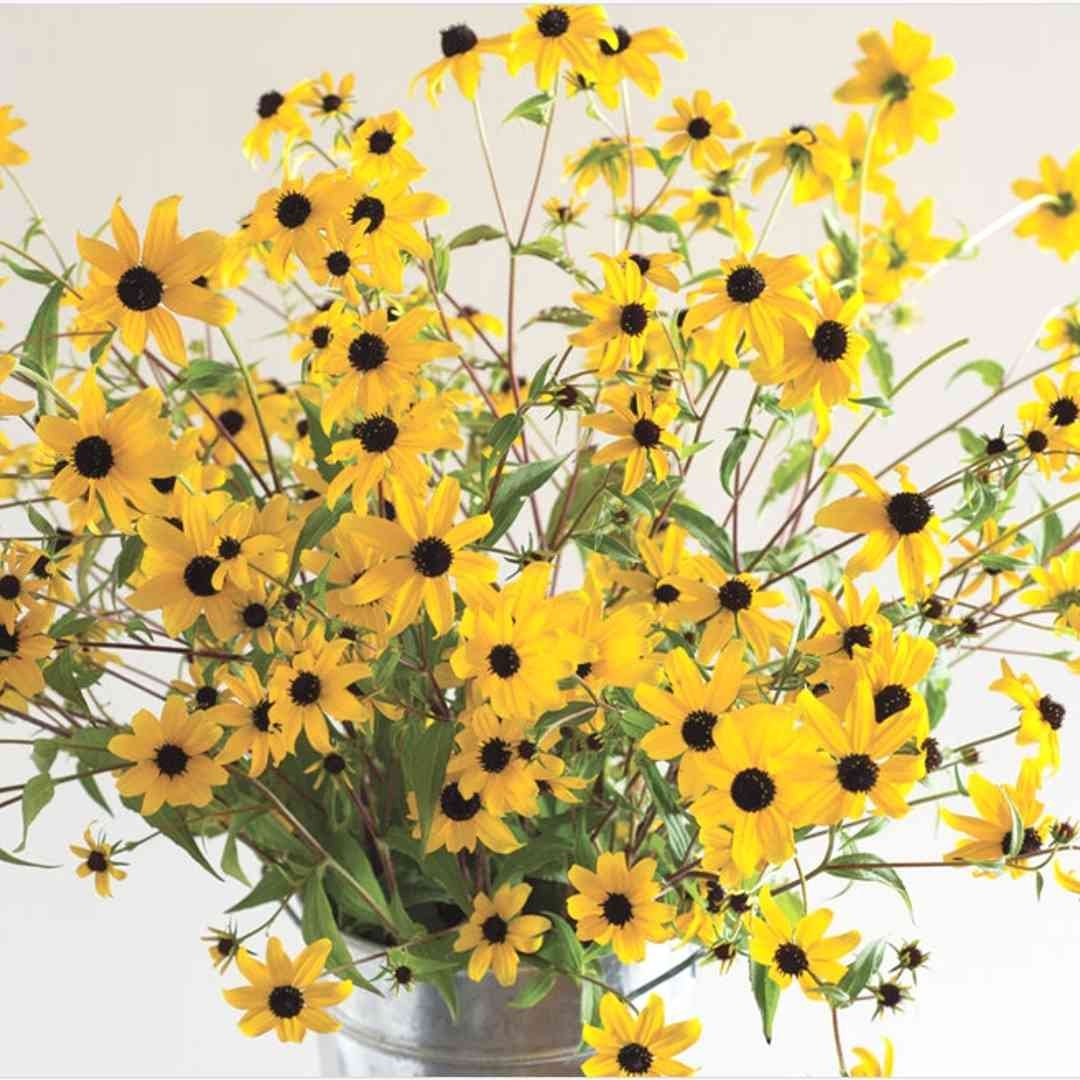
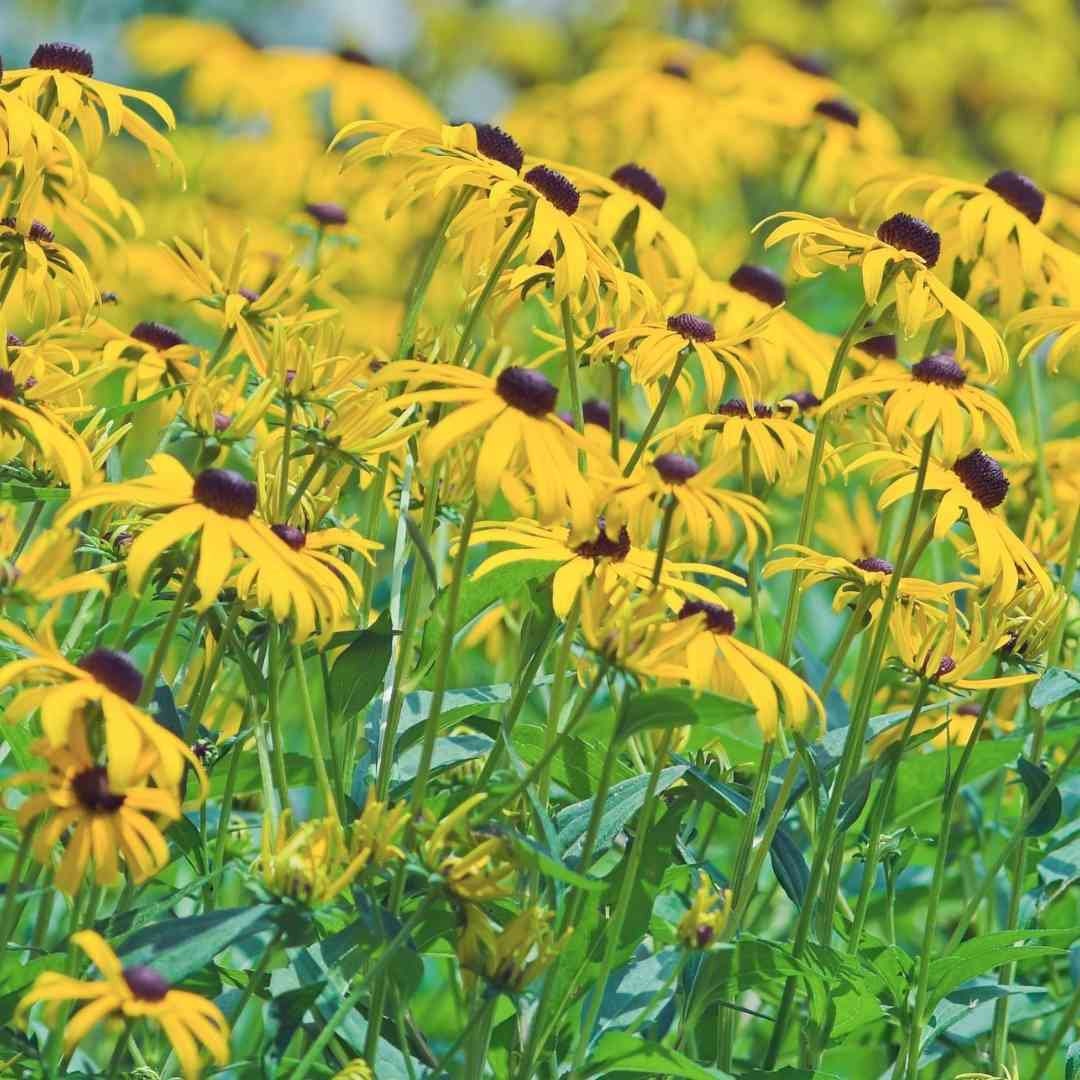
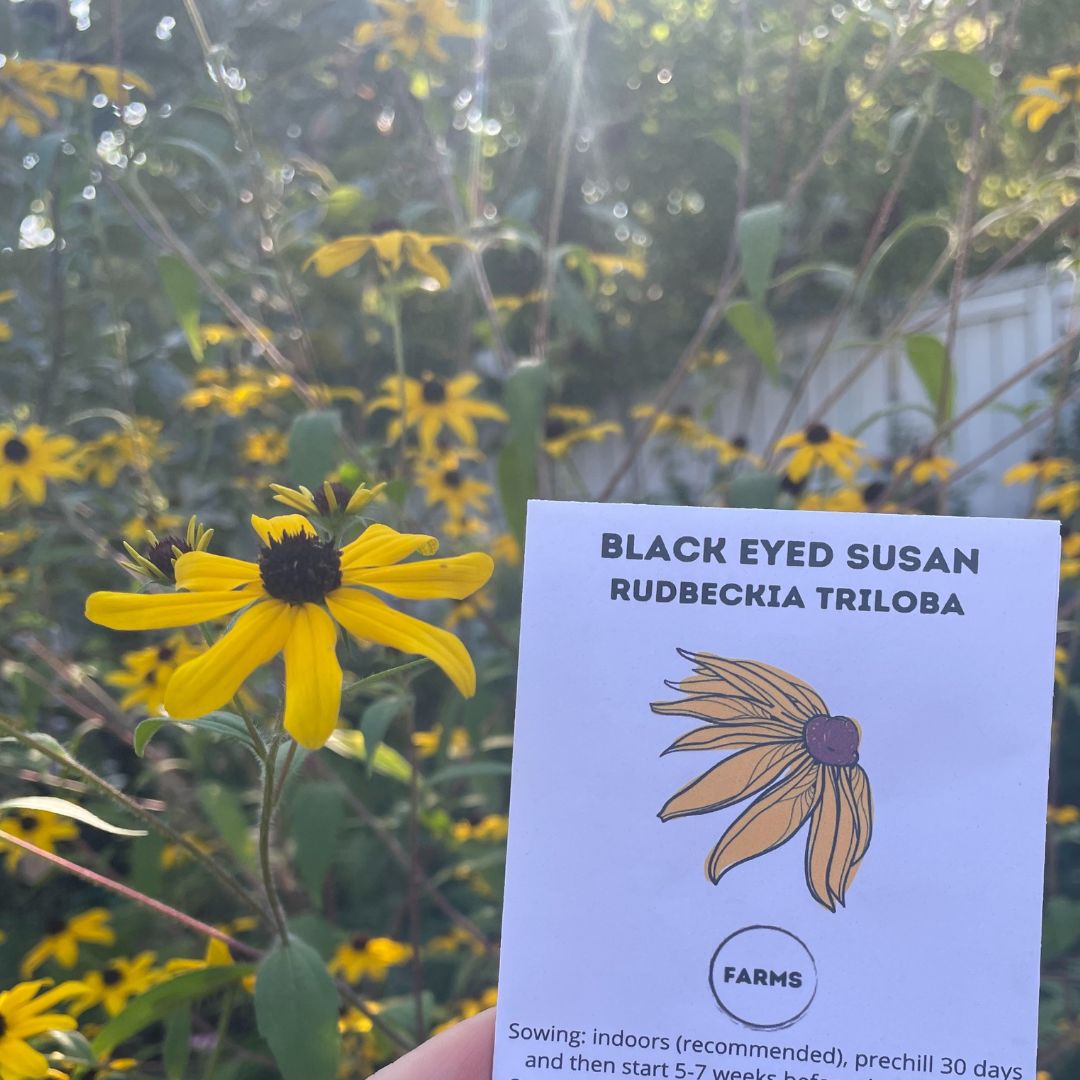
Rudbeckia triloba, commonly known as Brown-Eyed Susan or Triloba Black-Eyed Susan, is a classic North American perennial valued for its abundant golden-yellow flowers with dark centres. Blooming from late summer into fall, this variety provides long-lasting colour at a time when many other flowers are fading. Its tall, branching habit produces masses of smaller blooms, making it especially striking in naturalized plantings, pollinator gardens, and cut flower arrangements.
Selected by Circle Farms, a Canadian seed shop, Rudbeckia triloba is a hardy, reliable perennial that returns year after year. It thrives in sunny locations, adapts well to a range of soils, and supports late-season pollinators when nectar sources are scarce.
Growing Details
Germination: 7–10 days
Seed Depth: Surface sow, press lightly into soil
Plant Spacing: 45–60 cm (18–24 in)
Indoor sowing: Start seeds indoors 5–7 weeks before the last frost. Cold stratification is required—store seeds in the refrigerator for 30 days before sowing.
Direct sowing: Sow outdoors in fall and allow seeds to overwinter naturally, or sow in early spring as soon as the soil can be worked. Seeds can also be winter sown in milk jugs at least two months before the last frost.
FAQs
How do I grow Rudbeckia triloba from seed?
In order to grow Rudbeckia triloba from seed, you need to provide a cold stratification period. Seeds can be sown outdoors in fall or early spring, or stratified in the fridge before indoor sowing. Lightly press seeds into the soil and keep moist until germination.
Is Rudbeckia triloba a perennial?
Yes, Rudbeckia triloba is a hardy perennial in zones 3–9 and will return year after year once established.
Are Brown-Eyed Susans good for pollinators?
Yes, Rudbeckia triloba is highly attractive to bees and other beneficial insects, especially in late summer and fall when floral resources are limited.
Can Rudbeckia triloba be used as a cut flower?
Yes, its long stems and abundant blooms make it an excellent choice for cut flower gardens and late-season bouquets.
Share