Circle Farms
Wildflower Seed Mix for Butterflies & Pollinators
Wildflower Seed Mix for Butterflies & Pollinators
Impossible de charger la disponibilité du service de retrait
Create a colourful garden for bees, butterflies, and other beneficial insects with this wildflower seed mix. The Butterfly Pollinators Mix combines annual and perennial flowers selected to provide varied colours, flower shapes, and bloom periods in one convenient packet.
This pollinator wildflower seed mix may contain borage, candytuft, cosmos, coneflower, showy milkweed, butterfly milkweed, marigolds, phacelia, wallflower, and zinnias. The exact varieties may vary slightly between batches.
Each packet contains approximately 2 grams of seed and can cover about 30 square feet when distributed evenly. Plant it in a sunny or partly sunny area to create a butterfly garden, pollinator patch, colourful border, or small naturalized planting.
Browse additional options in our Wildflower Seeds collection or explore individual bee- and butterfly-friendly varieties in our Pollinator Plants collection.
Butterfly Wildflower Seed Mix Overview
| Product Detail | Information |
|---|---|
| Product Type | Butterfly and pollinator wildflower seed mix |
| Seed Weight | Approximately 2 grams |
| Coverage | Approximately 30 square feet |
| Plant Types | Mixture of annual and perennial flowers |
| Sun Exposure | Full sun to part sun |
| Planting Time | Early spring through early summer, or late fall |
| Sowing Depth | Approximately ⅛ inch or lightly covered |
| Germination | Approximately 10–15 days for varieties ready to germinate under current conditions |
| Best Uses | Butterfly gardens, pollinator patches, borders, and small naturalized areas |
Wildflower Seeds for Bees and Butterflies
A successful pollinator seed mix contains different flower shapes rather than relying on one species. Bees, butterflies, hoverflies, moths, and other beneficial insects do not all feed in exactly the same way.
This mixture combines open flowers, clustered blooms, daisy-like flowers, and taller flowering stems. As different plants mature, they can provide changing sources of nectar and pollen throughout the season.
The mix may include:
- Cosmos: Open flowers that are easy for many insects to access
- Coneflower: A substantial central flower head with a long bloom period
- Milkweed: Nectar-bearing flowers and essential host foliage for monarch caterpillars
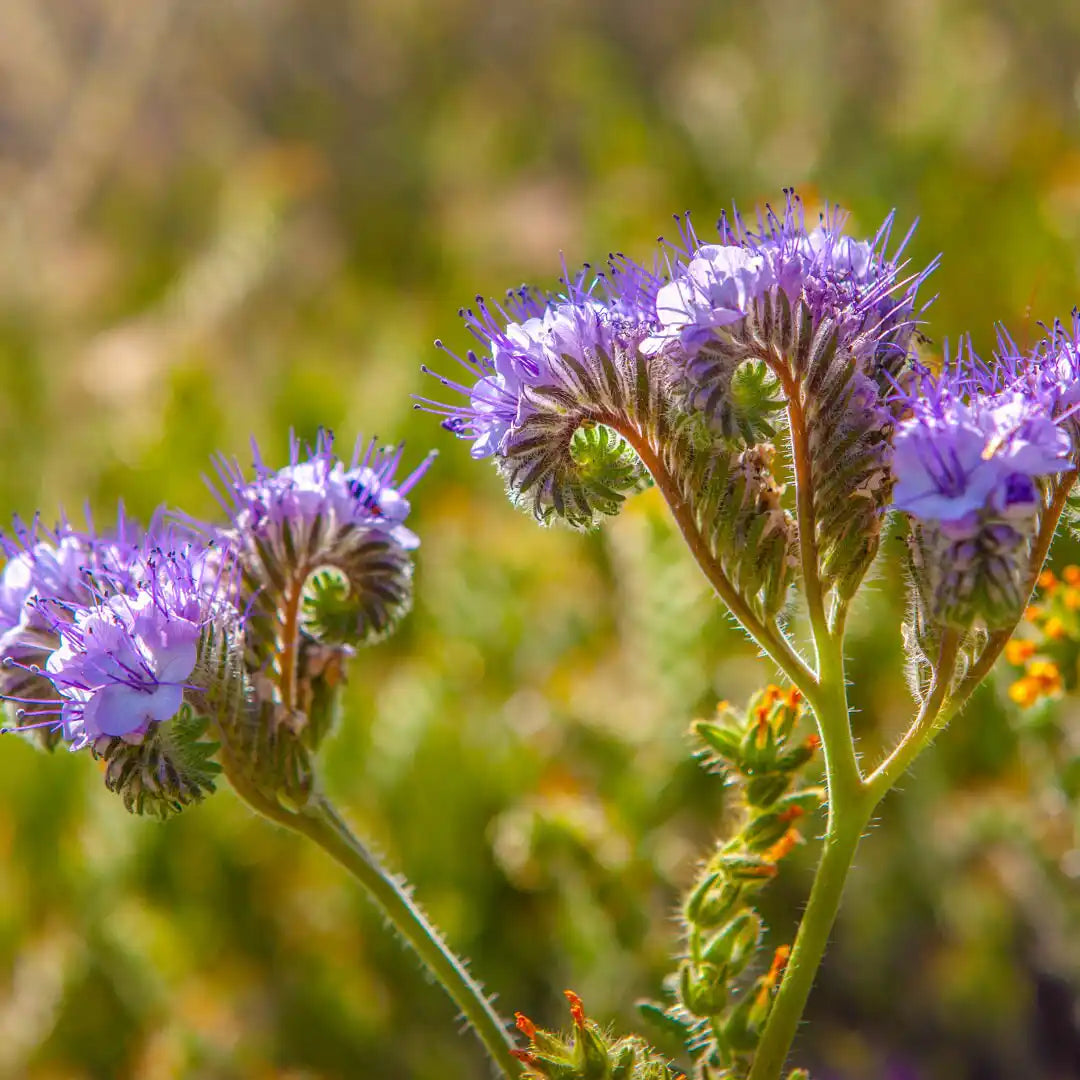
- Phacelia: Small flowers frequently visited by bees
- Marigolds and zinnias: Extended summer colour and accessible blooms
- Borage: Star-shaped flowers that can attract frequent bee activity
For a wider selection of individual varieties, browse our complete Flower Seeds collection.
Is This a Monarch Butterfly Seed Mix?
This mix can contribute to a monarch-friendly garden because it may contain showy milkweed and butterfly milkweed. Milkweed is especially important because monarch caterpillars rely on milkweed plants for food.
Adult monarch butterflies also need nectar from many flowers during their migrations. Cosmos, coneflowers, zinnias, and other blooms can help provide nectar when they are flowering.
A monarch butterfly seed mix should not be treated as a complete habitat by itself. Results depend on which seeds establish, your regional climate, soil, moisture, and whether the included milkweed species are appropriate for your location.
Learn more in our guide to growing milkweed for butterflies and pollinators.
How to Plant a Wildflower Seed Mix
Good soil preparation is more important than adding large amounts of fertilizer. Wildflower seeds need direct contact with loose soil and can struggle when scattered over thick grass, mulch, weeds, or compacted ground.
- Select approximately 30 square feet in full sun or part sun.
- Remove existing weeds, grass, roots, and thick plant debris.
- Rake the upper soil until it is loose and relatively fine.
- Mix the seed with dry sand to make even distribution easier.
- Scatter the mixture across the prepared area.
- Rake very lightly or add no more than about ⅛ inch of soil.
- Press the seed gently into contact with the soil.
- Water using a soft spray that will not wash the seed away.
- Keep the surface consistently moist while seedlings establish.
Do not bury the mix deeply. The packet contains seeds of different sizes, and many small flower seeds germinate best close to the surface.
When to Sow a Pollinator Seed Mix in Canada
This pollinator seed mix for Canada can be planted from early spring through early summer after the soil can be prepared. Spring planting allows annual flowers to establish and bloom during the same growing season.
Late-fall sowing is another option. Seeds remain outdoors through winter and germinate when their individual temperature and moisture requirements are met. Some perennial seeds may benefit from natural cold exposure and emerge later than fast-growing annuals.
Canadian planting conditions vary considerably. Coastal British Columbia, southern Ontario, the Prairies, Atlantic Canada, and northern gardens do not share one universal sowing date.
Read our Canadian flower-seed growing guide for broader regional planning information.
Wildflower Seed Mix Danger: What Gardeners Should Know
The phrase “wildflower seed mix danger” often refers to concerns about invasive plants, inappropriate species, pet or child safety, and mixes planted in sensitive natural areas.
A wildflower mix is not automatically dangerous, but it should be planted responsibly:
- Use the mix in a managed garden rather than scattering it in parks, forests, roadsides, or other natural spaces.
- Review the listed species and check whether any plant is considered invasive in your province or municipality.
- Do not describe a general mixture as a native wildflower mix unless every included species is native to the relevant region.
- Prevent unwanted spreading by removing seed heads or volunteer seedlings when necessary.
- Keep unidentified seeds, pods, and plant material away from children and pets.
- Do not assume ornamental flowers are edible.
The Canadian Food Inspection Agency advises gardeners to identify seed species and consider invasive potential before planting mixtures. Visit the CFIA guidance on preventing invasive plant spread.
Creating a Better Butterfly Garden
A butterfly garden seed mix is a useful starting point, but the strongest pollinator garden includes more than one packet. Combine annuals, perennials, host plants, water, shelter, and pesticide-conscious garden care.
For a longer flowering season, supplement the mix with:
- Cosmos Seeds for open summer flowers
- Sunflower Seeds for height and late-season seed heads
- Yarrow Seeds for clustered perennial flowers
- Marigold Seeds for dependable summer colour
- Perennial Plant Seeds for flowers that may return in future seasons
Our backyard pollinator-corridor guide explains how individual garden patches can work together to provide food and shelter across a neighbourhood.
Parks Canada also recommends planting a range of regionally suitable native flowers and avoiding pesticides that may harm beneficial insects. Visit its planting guide for pollinators.
Wildflower Seed Mix FAQs
How much area does this wildflower seed mix cover?
The 2-gram packet covers approximately 30 square feet when distributed evenly over prepared soil.
How quickly will the wildflower seeds germinate?
Some varieties may germinate in approximately 10–15 days. Other seeds, especially certain perennials, may emerge later or after experiencing seasonal temperature changes.
Does the mix attract monarch butterflies?
It may contain showy and butterfly milkweed, which can support monarch caterpillars, along with nectar flowers used by adult butterflies.
Can I plant this mix over an existing lawn?
Not reliably. Remove competing grass and expose loose soil before sowing so the seeds can make direct soil contact.
Is this a native Canadian wildflower mix?
No such claim should be made. The mixture contains multiple ornamental and pollinator-friendly species, but not every included flower is native to every part of Canada.
Can this pollinator wildflower seed mix grow in part shade?
It can be planted in part sun, although stronger flowering and a greater number of established varieties are generally expected with more direct sunlight.
Will the wildflowers return every year?
The mix includes annuals and perennials. Annuals may self-seed, while established perennials may return when suited to the local climate and soil.
Is the mix safe to plant near natural areas?
Use it in a managed garden. Avoid scattering mixed seeds into parks, conservation land, roadsides, or natural ecosystems where non-native plants could spread.
Grow a Pollinator Wildflower Garden
This wildflower seed mix for butterflies offers an easy way to transform a prepared garden patch into a varied flowering display. With 2 grams covering approximately 30 square feet, it can be used in small yards, borders, raised areas, and dedicated pollinator gardens.
Prepare the ground carefully, sow shallowly, maintain moisture during establishment, and allow different flowers time to emerge. The result can provide colour for gardeners and useful resources for bees, butterflies, monarchs, and other beneficial insects.
Partager