
-
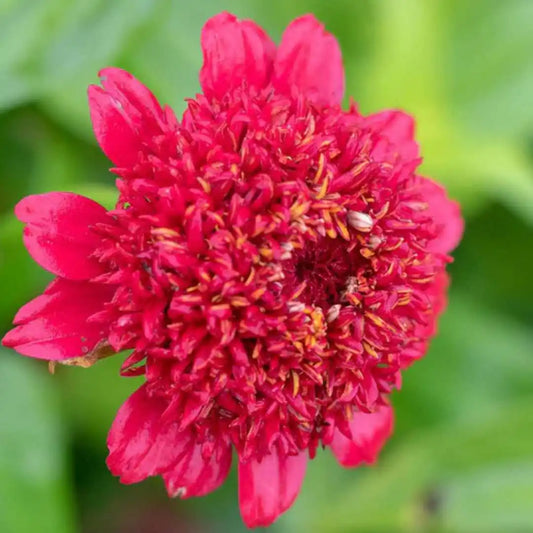
Zinnia Seeds - Benary Giant Carmine Rose
Regular price $6.95 CADRegular priceUnit price per -
Zinnia Seeds - Under The Sea Mix
Regular price $3.95 CADRegular priceUnit price per -

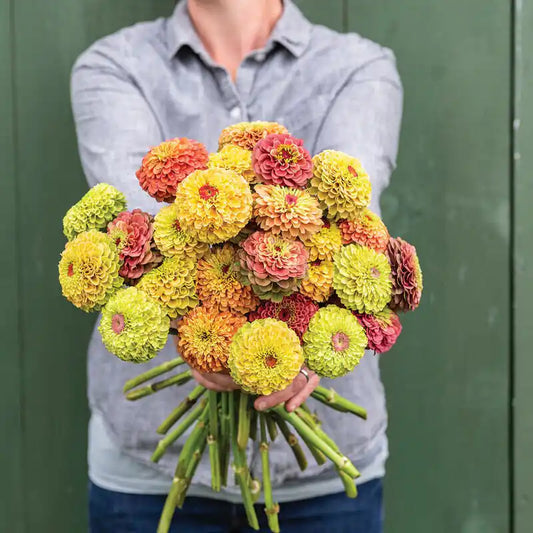 Returning Soon!
Zinnia Seeds - Queeny Lime Mix
Regular price $7.95 CADRegular priceUnit price per -
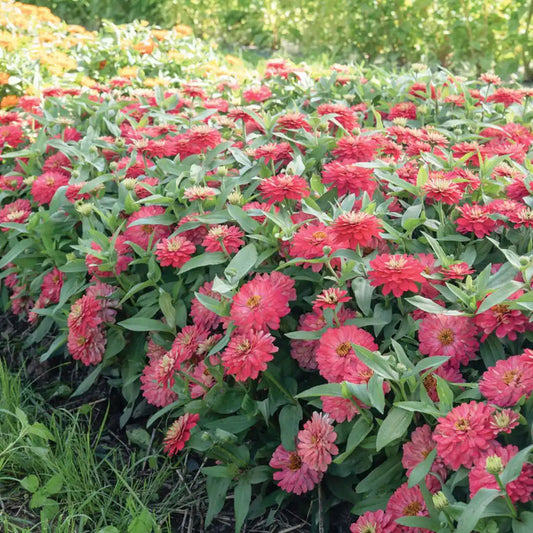
Zinnia Seeds - Benary Giant Pink
Regular price $6.95 CADRegular priceUnit price per -
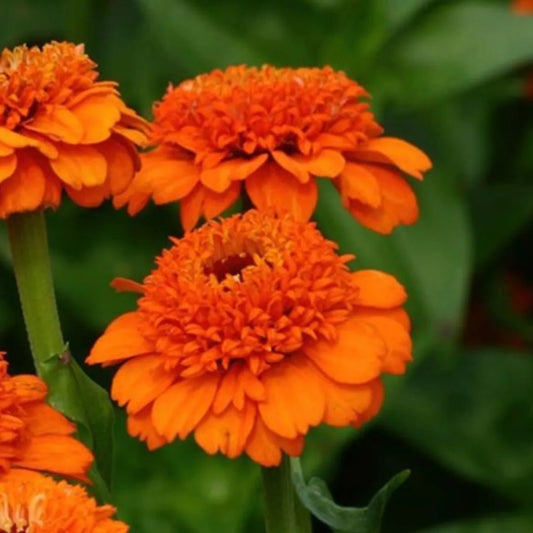
Zinnia Seeds - Benary Giant Orange
Regular price $6.95 CADRegular priceUnit price per -
Zinnia Seeds - Sanguinea Cupcake Carmine Red
Regular price $4.95 CADRegular priceUnit price per -
Zinnia Seeds - Benary Giant Lilac
Regular price $6.95 CADRegular priceUnit price per -
Zinnia Seeds - Cresto Orange
Regular price $5.95 CADRegular priceUnit price per -
Zinnia Seeds - Benary Giant Deep Red
Regular price $6.95 CADRegular priceUnit price per -
Zinnia Seeds - Dwarf Thumbelina Mix
Regular price $4.95 CADRegular priceUnit price per -
Zinnia Seeds - Dwarf Double Zahara Salmon
Regular price $5.95 CADRegular priceUnit price per -
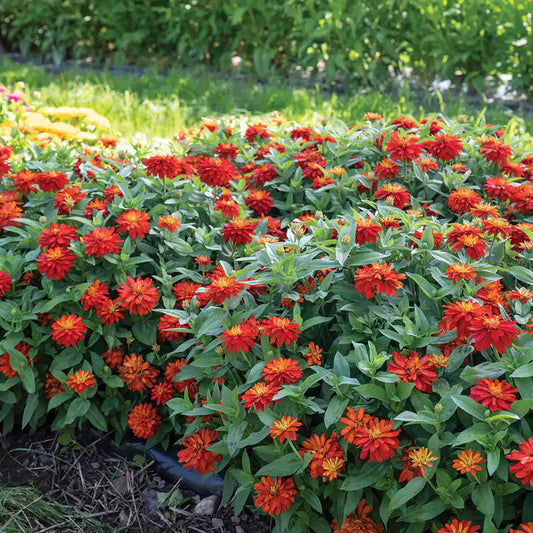
Zinnia Seeds - Dwarf Double Zahara Fire
Regular price $5.95 CADRegular priceUnit price per -

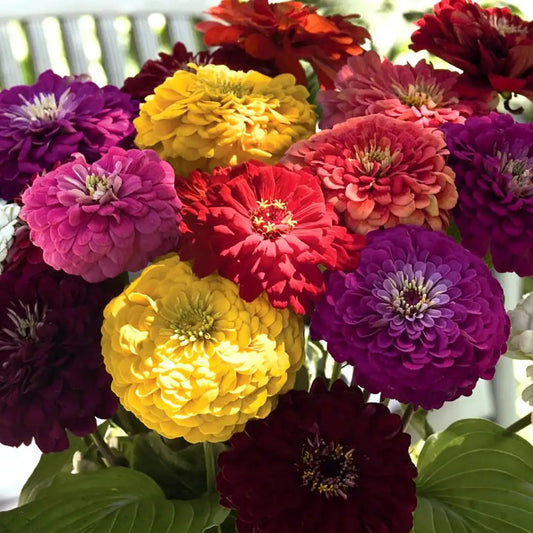 Returning Soon!
Zinnia Seeds - Benary Giant Elegans & Cactus Mix
Regular price $6.95 CADRegular priceUnit price per -

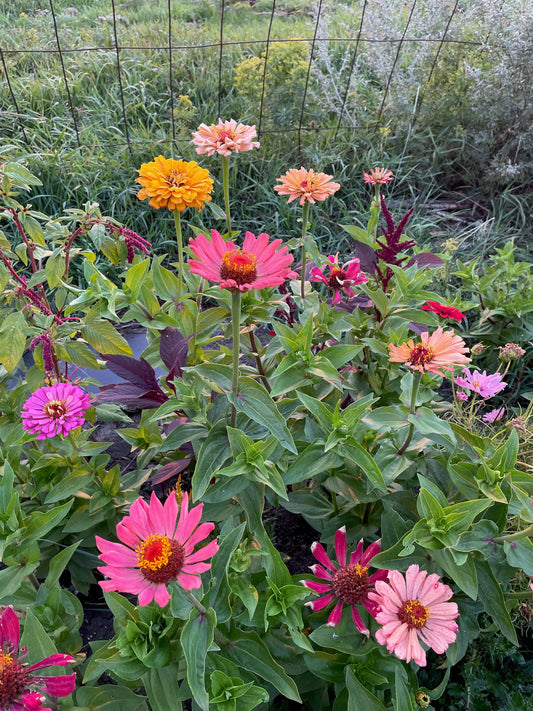 Back Next Year
Zinnia Seeds - Giant Dahlia & Cactus Farm Mix
Regular price $4.95 CADRegular priceUnit price per

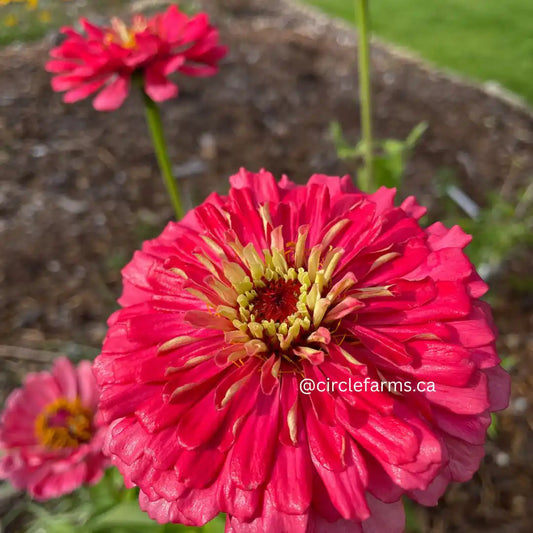









Collection: Zinnia Seeds
Zinnia Seeds in Canada: Quick Facts
- Plant type: Warm-season annual flower
- Best planting time: After frost danger has passed and the soil has warmed
- Indoor starting: About 4 to 6 weeks before the final spring frost
- Sun: Full sun, ideally 6 to 8 or more hours per day
- Germination: Often 3 to 7 days in consistently warm conditions
- Spacing: Usually 15 to 30 cm depending on the variety
- Best uses: Cut flowers, pollinator gardens, containers, borders and mass plantings
- Bloom period: Summer until the first killing frost
Zinnia Seeds for Canadian Gardens
Zinnia seeds are an excellent choice for Canadian gardeners who want brilliant summer colour, fast-growing annual flowers and blooms that continue until frost. Zinnias grow quickly once warm weather arrives and are available in an unusually wide range of colours, plant heights and flower forms.
Depending on the variety, zinnia plants may produce compact mounds for containers, tall stems for bouquets, large dahlia-shaped flowers, soft pastel blooms, bold jewel tones or unusual crested flowers. This makes zinnias useful in everything from small urban gardens to dedicated cut-flower beds.
Native to Mexico and Central America, zinnias thrive in warm, sunny conditions. They are particularly well suited to Canadian gardens because they complete their life cycle in one growing season and can begin flowering relatively quickly after planting.
Gardeners across British Columbia, Alberta, Saskatchewan, Manitoba, Ontario, Quebec and Atlantic Canada can grow zinnias successfully by planting after the risk of frost has passed and the soil has warmed.
Browse the varieties in this collection to find zinnia seeds for cut-flower gardens, pollinator plantings, containers, borders, cottage gardens and colourful mass plantings.
For an even larger summer flower planting, explore our complete Flower Seeds Collection, or pair zinnias with airy blooms from our Cosmos Seeds Collection.
Why Grow Zinnias From Seed?
Growing zinnias from seed is one of the easiest and most affordable ways to fill a garden with summer flowers. A few seed packets can produce enough plants for bouquets, borders, pollinator beds and large areas of colour.
Zinnia seeds are also relatively large and easy to handle compared with many tiny flower seeds. Under warm conditions they germinate quickly, which makes them a good choice for both beginner gardeners and experienced cut-flower growers.
- Fast-growing annual flowers for Canadian summers
- Available in compact, medium and tall varieties
- Excellent for bouquets and cutting gardens
- Attractive to bees, butterflies and beneficial insects
- Heat tolerant once established
- Suitable for garden beds, raised beds and containers
- Available in a wide range of colours and flower forms
- Long flowering season from summer until frost
- Continued bloom when flowers are harvested or deadheaded regularly
Types of Zinnias and Zinnia Varieties
There are many types of zinnias, and choosing the right variety depends on where you plan to grow them and how you want to use the flowers.
Some zinnia varieties are bred for tall stems and large flowers, while others remain compact and bushy. Flower shapes can range from simple single blooms to densely petalled dahlia forms and unusual scabiosa-style flowers.
| Zinnia Type | Typical Characteristics | Best Uses |
|---|---|---|
| Tall cutting zinnias | Long stems with medium or large flowers | Bouquets, flower farms and cutting gardens |
| Compact or dwarf zinnias | Shorter, bushier plants with abundant blooms | Containers, pathways, front borders and small gardens |
| Dahlia-flowered zinnias | Large, rounded flowers with many petals | Statement plantings and substantial bouquets |
| Scabiosa or crested zinnias | Distinctive raised centres and unusual flower forms | Specialty bouquets and unique garden displays |
| Single-flowered zinnias | Open flower centres that are easy for insects to access | Pollinator gardens and naturalistic plantings |
| Zinnia colour blends | Several coordinated colours grown together | Mass plantings, mixed borders and colourful bouquets |
For a cutting garden, choose several zinnia varieties with complementary colours and different flower sizes. Large blooms provide focal flowers, while smaller varieties help fill gaps in bouquets.
For pollinator gardens, consider including single and semi-double zinnias alongside fuller varieties. Their open centres make pollen and nectar easier for bees and butterflies to reach.
Choosing the Best Zinnia Seeds for Your Garden
The best zinnia seeds depend on your available space, the look you want and whether the flowers will primarily stay in the garden or be harvested for bouquets.
| Your Goal | What to Look For |
|---|---|
| Cut flowers | Tall plants, long stems and repeat flowering |
| Containers | Compact or dwarf zinnia varieties |
| Pollinator garden | Single or semi-double flowers with visible centres |
| Large garden display | Colour mixes or several coordinated varieties |
| Statement flowers | Large dahlia-flowered or unusual crested varieties |
What Do Zinnia Seeds Look Like?
Zinnia seeds can vary somewhat in shape depending on where they developed within the flower head, but they are generally flat, firm seeds in shades of tan, brown or grey.
When saving zinnia seeds at home, mature seeds should come from flower heads that have been allowed to dry fully on the plant. Immature or very soft seeds may be less likely to germinate successfully.
Do not worry if every seed in a packet looks exactly the same. Natural variation in shape and size is normal.
Zinnia Growing Details at a Glance
| Growing Factor | General Recommendation |
|---|---|
| Plant type | Warm-season annual flower |
| Sun exposure | Full sun, ideally 6 to 8 or more hours daily |
| Indoor starting | Approximately 4 to 6 weeks before the final frost |
| Direct sowing | After frost danger has passed and the soil has warmed |
| Germination | Often 3 to 7 days under consistently warm conditions |
| Zinnia spacing | Approximately 15 to 30 cm depending on mature plant size |
| Soil | Loose, moderately fertile and well draining |
| Water | Consistent moisture during establishment; avoid saturated soil |
| Bloom period | Summer until the first killing frost |
| Primary uses | Cut flowers, containers, borders, pollinator beds and mass plantings |
How to Grow Zinnias From Seed
Zinnias can be started indoors for earlier flowers or direct sown where they will grow. Because zinnias develop quickly and do not benefit from spending a long time confined to small pots, avoid starting them excessively early.
Starting Zinnia Seeds Indoors
- Start seeds approximately four to six weeks before your expected final spring frost.
- Fill clean cells or small pots with lightly moistened seed-starting mix.
- Sow according to the planting depth listed for the variety.
- Keep the growing medium warm and evenly moist without saturating it.
- Place seedlings under bright grow lights once they emerge.
- Maintain airflow and avoid crowding young plants.
- Harden seedlings off gradually before transplanting.
- Plant outside only after frost danger has passed and nights are reliably mild.
For more information about temperature, light, moisture and common germination problems, read our guide to understanding seed germination.
Direct Sowing Zinnia Seeds
Direct sowing works especially well for gardeners who do not need the earliest possible flowers. Prepare a weed-free bed, sow once the soil has warmed and keep the planting area consistently moist until seedlings become established.
Zinnias grow quickly enough that direct-sown plants can still provide a long flowering season throughout much of Canada.
In colder or shorter-season areas, gardeners can start some zinnias indoors and direct sow a second group later. This can help extend the overall flowering season.
Explore more beginner-friendly annual flowers in our Direct Sow Flower Seeds Collection.
When to Plant Zinnia Seeds in Canada
Zinnias are warm-season flowers and should not be rushed into cold spring soil. Plant outdoors after frost danger has passed and temperatures have become reliably mild.
| Region | Start Indoors | Transplant or Direct Sow |
|---|---|---|
| Coastal British Columbia | March to April | After local frost danger passes, often May |
| Southern Ontario and Quebec | April | Late May to early June depending on location |
| Prairie provinces | Mid to late April | Late May or early June after frost risk |
| Atlantic Canada | April | Late May to early June as conditions warm |
| Zone 3 and northern gardens | About 4 to 6 weeks before the local frost-free date | After frost danger and once the soil has warmed |
These periods are general guidelines. Local frost dates, elevation, exposure and yearly weather can move planting dates by several weeks.
How Far Apart Should Zinnias Be Planted?
Zinnia spacing depends on the mature size of the variety. Compact bedding zinnias can usually be planted closer together than tall cutting varieties.
| Zinnia Type | General Spacing | Why It Matters |
|---|---|---|
| Compact varieties | About 15 to 20 cm | Allows dense colour while maintaining airflow |
| Medium varieties | About 20 to 30 cm | Provides room for branching and healthy foliage |
| Tall cutting varieties | About 23 to 30 cm or according to the variety | Helps produce strong plants while reducing crowding |
Adequate spacing improves air circulation and allows foliage to dry more quickly after rain. This is particularly helpful when managing powdery mildew.
Sun, Soil and Water Requirements
Full Sun
Zinnias perform best with at least six to eight hours of direct sunlight each day. Strong light promotes sturdy stems, abundant flowers and faster drying after rain.
Plants grown in excessive shade may stretch, lean and produce fewer flowers.
Well-Draining Soil
Plant zinnias in loose soil that drains well. Moderate fertility is sufficient. Excessive nitrogen can encourage large plants with lots of foliage but fewer flowers.
Finished compost can improve poor soil structure, but there is usually no need to create an extremely rich planting bed.
Consistent Watering
Keep soil evenly moist while seeds germinate and young plants become established. Mature zinnias can tolerate brief dry periods, but prolonged drought can reduce flower size and production.
Whenever possible, water close to the soil rather than repeatedly wetting the foliage.
Trusted by Canadian Gardeners Coast to Coast
Thousands of gardeners across Canada trust Circle Farms for high-quality flower, herb and vegetable seeds selected for Canadian growing conditions.
Diane Tuchscherer
“I just couldn't pass up the beautiful colors of zinnias, asters, cosmos and poppies. The selection is huge and non-typical so I'll have the most unique flower garden in the neighborhood. The online purchase method was easy to complete.”
Kristen van Winkle Racette
“Circle Farms started my zinnia obsession. Every year I grow more zinnia varieties and love trying new flowers from their selection. The seeds arrive quickly, the website is easy to use, and the flower varieties are amazing.”
Rachel Christine
“Last season I grew zinnias and celosia from Circle Farms and they performed beautifully in my garden. The colours were incredible and the germination was excellent. I’m excited to grow even more varieties this season.”
Growing Zinnias for Cut Flowers
Tall zinnias are favourites for home cutting gardens because they produce multiple stems, come in many colours and respond well to regular harvesting.
For the best zinnia cut flowers, choose varieties bred for taller growth and long stems. Plant several colours and flower sizes so you have both focal blooms and smaller flowers available for arrangements.
Pinching suitable young plants can encourage additional branching. Once flowering begins, regular cutting encourages many varieties to keep producing new stems.
Harvest when the stem is strong enough to support the flower. Cut above a healthy set of leaves so the plant can branch again from the remaining nodes.
Zinnias pair especially well in bouquets with cosmos, sunflowers and other summer flowers. Browse our Sunflower Seeds Collection for additional focal flowers.
Zinnias for Bees, Butterflies and Pollinator Gardens
Zinnia flowers can provide pollen and nectar throughout summer, particularly varieties with open or clearly visible centres.
Bees, butterflies, hoverflies and other beneficial insects may visit the flowers throughout the day.
For stronger habitat value, combine zinnias with plants that flower before and after them instead of relying on a single species. Using several flower shapes and avoiding unnecessary pesticide applications can also make the garden more useful to pollinators.
Browse our Pollinator Plants Collection to create a more diverse sequence of flowers through the growing season.
How to Keep Zinnias Blooming All Summer
Zinnias produce the most flowers when mature blooms are harvested or removed regularly. If old flower heads remain on the plant, more energy begins moving toward seed production.
- Harvest or deadhead flowers regularly during peak bloom.
- Cut above a healthy branching point instead of removing only the flower head.
- Water consistently during extended hot or dry periods.
- Maintain airflow by avoiding overcrowding.
- Remove damaged or heavily diseased foliage.
- Avoid excessive nitrogen fertilizer.
- Continue harvesting until frost ends the growing season.
Read our detailed guide on how to keep zinnias blooming all summer for more pruning, watering and harvesting advice.
Common Zinnia Problems
Powdery Mildew
Powdery mildew appears as a pale or powdery coating on foliage. Risk increases when plants are crowded, airflow is poor or leaves remain damp for long periods.
Space plants properly, water near the soil and remove heavily affected foliage when necessary.
Few Flowers
Insufficient sunlight, excessive nitrogen, overcrowding or allowing large numbers of mature seed heads to remain on the plant can reduce bloom production.
Weak or Leggy Young Plants
Young zinnias commonly stretch when they do not receive enough light. Provide strong light immediately after germination and avoid starting seeds too early indoors.
Transplant Stress
Move indoor-grown plants outside gradually. Sudden exposure to intense sun, cold wind or cool nights can stress tender plants.
Zinnia Planting Checklist
- Choose a zinnia variety suited to your space and intended use.
- Wait until frost danger has passed before outdoor planting.
- Select a location with at least six to eight hours of direct sunlight.
- Prepare loose, well-draining soil.
- Follow the sowing depth recommended for the variety.
- Give plants enough spacing for good airflow.
- Keep the soil evenly moist during germination and establishment.
- Harvest or deadhead regularly to encourage continuous flowering.
For a more detailed step-by-step growing guide, read how to plant and grow zinnia seeds.
Zinnia Seeds FAQs
What are the best zinnia seeds for cut flowers?
Tall, branching zinnia varieties are usually the best choice for cut flowers because they produce longer stems and continue developing new flowering branches after regular harvesting. Large dahlia-flowered varieties work well as focal flowers, while smaller blooms can be used as bouquet fillers.
What do zinnia seeds look like?
Zinnia seeds are generally flat and firm with tan, grey or brown colouring. Their exact shape can vary depending on where the seed developed within the flower head. Mature seeds collected for saving should come from fully dried flowers.
Are there different types of zinnias?
Yes. Zinnia varieties include tall cutting types, compact or dwarf plants, dahlia-flowered zinnias, scabiosa or crested forms, single flowers and colour blends. Different types are suited to different garden uses.
Do zinnias come back every year?
Zinnias are annuals. Each plant grows, flowers, produces seed and dies during one growing season. New plants may sometimes appear from fallen seeds the following year, but this is self-seeding rather than perennial regrowth.
How far apart should zinnias be planted?
Most zinnias are planted approximately 15 to 30 cm apart, although the ideal spacing depends on the mature size of the variety. Taller and more heavily branching plants generally require more space than compact varieties.
Do zinnias prefer sun or shade?
Zinnias strongly prefer full sun. At least six to eight hours of direct sunlight supports strong stems, abundant flowers and healthier foliage.
Can zinnias grow in containers?
Yes. Compact zinnia varieties are especially well suited to containers. Choose pots with drainage holes, use a good potting mix and monitor moisture because containers can dry quickly during hot weather.
How long do zinnias take to bloom from seed?
Bloom timing varies by variety and growing conditions. Zinnias are relatively fast-growing annuals, and many varieties begin flowering within several weeks after germination once warm summer conditions arrive.
Can you direct sow zinnia seeds?
Yes. Zinnia seeds can be direct sown after frost danger has passed and the soil has warmed. Direct sowing works particularly well because zinnias grow quickly and do not need a long indoor growing period.
What should not be planted beside zinnias?
Avoid placing zinnias where larger plants will heavily shade them or where dense growth prevents good airflow. Zinnias also prefer well-draining soil, so they are not ideal companions for plants that require constantly saturated growing conditions.
Why Gardeners Across Canada Choose Circle Farms
Circle Farms is a Canadian-owned seed company focused on high-quality flower, herb and vegetable seeds selected for Canadian growing conditions. Our zinnia seed collection includes varieties for cutting gardens, pollinator plantings, containers and colourful summer beds.
Free standard shipping across Canada on all seed orders
4.9★ Google rating from 190+ verified reviews
4.9★ Etsy rating from 400+ customer reviews
Canadian-owned and operated seed company
Seeds selected for Canadian climate zones and growing seasons

