
-
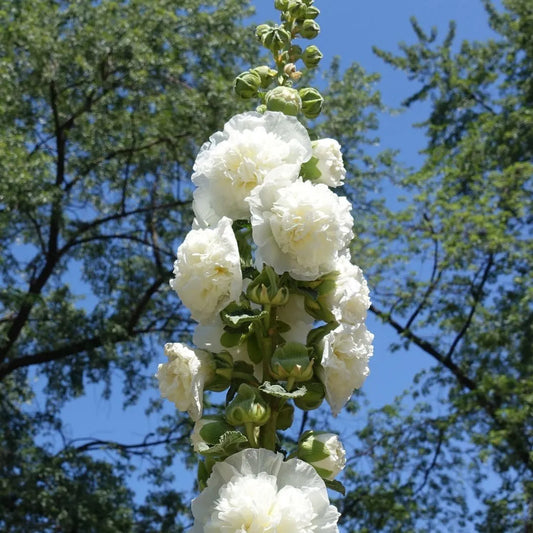
Hollyhock Seeds - Double Chater's Rose
Prix habituel $6.95 CADPrix habituelPrix unitaire par -
Forget Me Not Seeds - (Myosotis Alpestris)
Prix habituel $3.50 CADPrix habituelPrix unitaire par -
 Épuisé
Foxglove Seeds - Pink Gin
Prix habituel $5.95 CADPrix habituelPrix unitaire par -
Foxglove Seeds - Dalmatian Peach (Pelleted)
Prix habituel $12.95 CADPrix habituelPrix unitaire par -
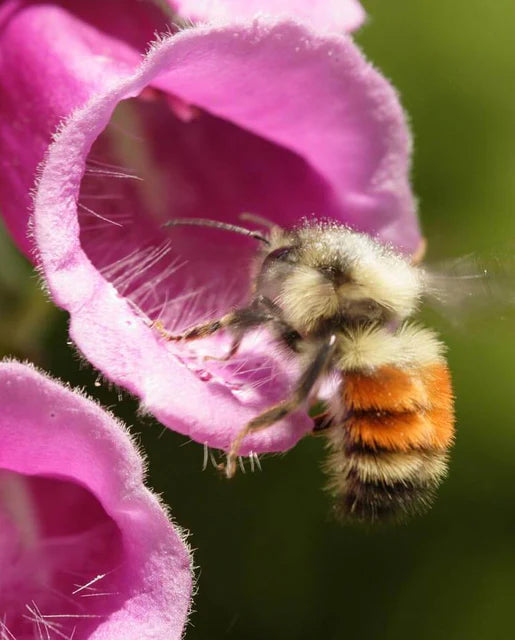
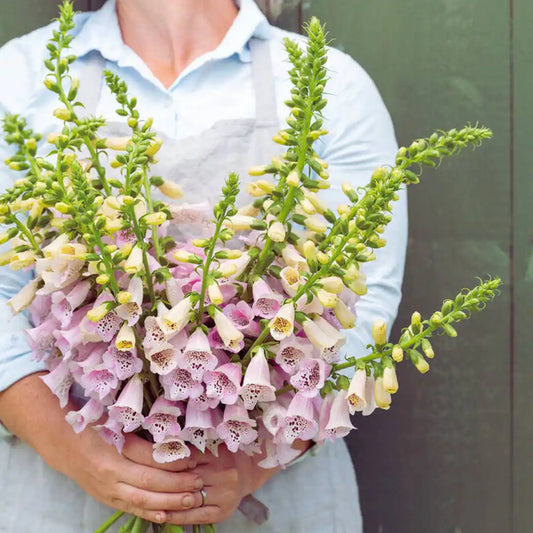
Foxglove Seeds - Purple Pink
Prix habituel $3.95 CADPrix habituelPrix unitaire par -
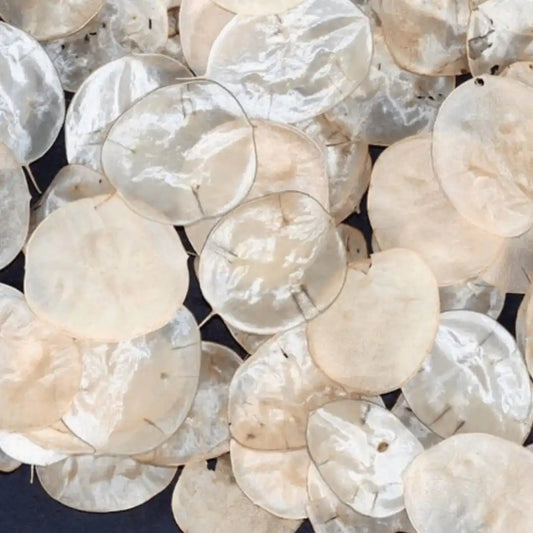
Lunaria (Money Plant, Silver Dollar, Honesty Plant)
Prix habituel $5.95 CADPrix habituelPrix unitaire par -
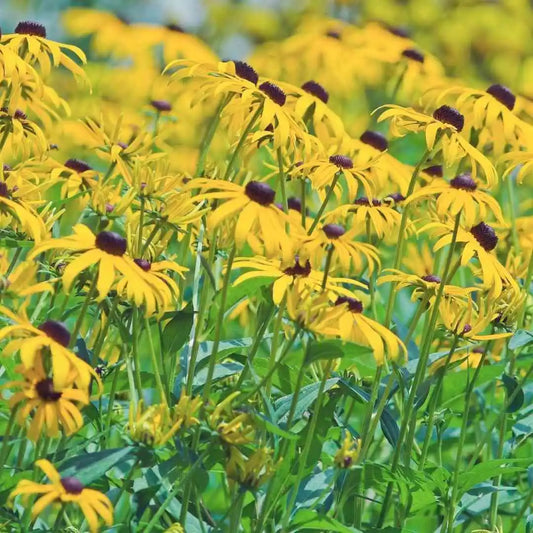
Rudbeckia Seeds - Triloba Black Eyed Susan
Prix habituel $5.95 CADPrix habituelPrix unitaire par -
Hollyhock Seeds - Double Chater's White
Prix habituel $5.95 CADPrix habituelPrix unitaire par -
Foxglove Seeds - Camelot Lavender (Pelleted)
Prix habituel $11.95 CADPrix habituelPrix unitaire par -
Hollyhock Seeds - Giant Black Nigra
Prix habituel $4.95 CADPrix habituelPrix unitaire par -
Hollyhock Seeds - Spring Celebrities Apricot
Prix habituel $14.95 CADPrix habituelPrix unitaire par -
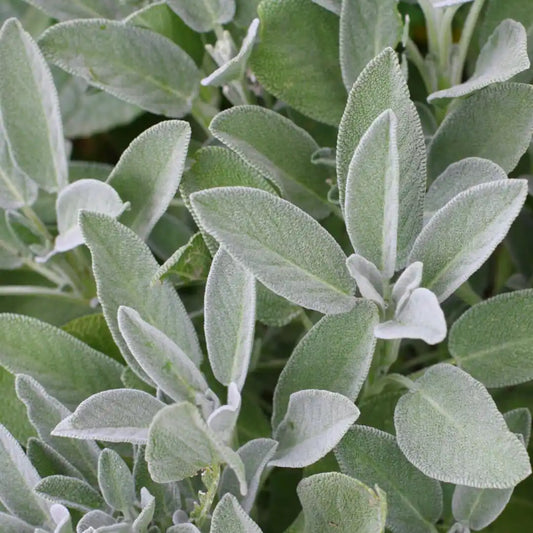
Sage Herb Seeds (Organic)
Prix habituel $3.95 CADPrix habituelPrix unitaire par -
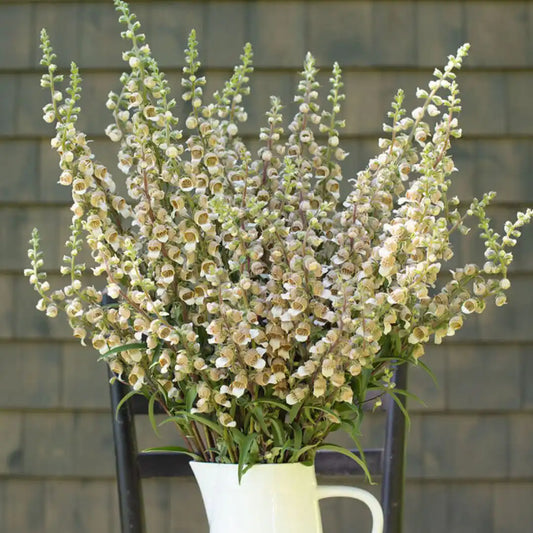
Foxglove Seeds - Pam's Choice
Prix habituel $6.95 CADPrix habituelPrix unitaire par -

 Épuisé
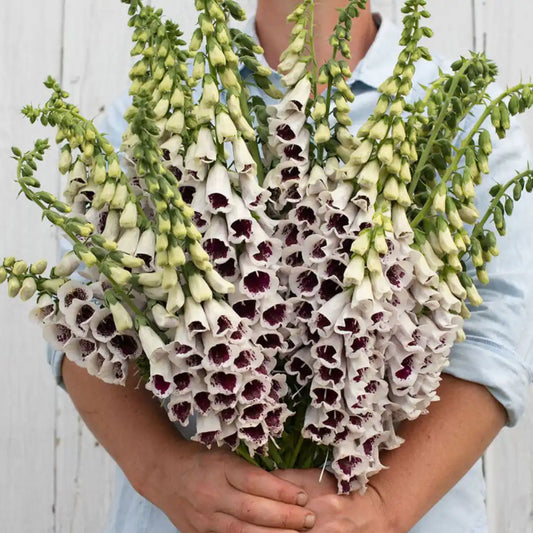
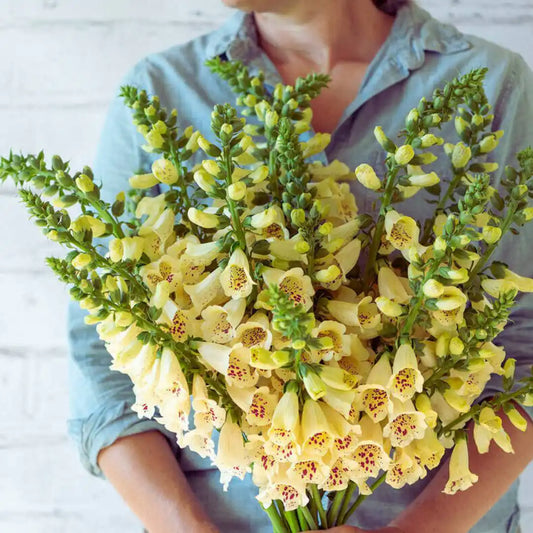
Foxglove Seeds - Cafe Creme
Prix habituel $8.95 CADPrix habituelPrix unitaire par -
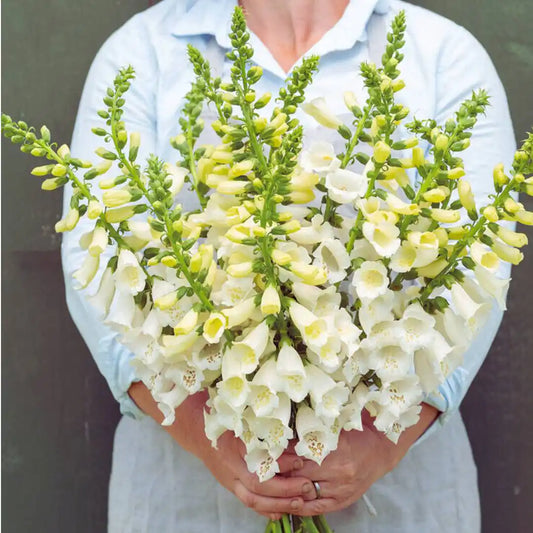
Foxglove Seeds - Camelot Cream (Pelleted)
Prix habituel $11.95 CADPrix habituelPrix unitaire par -
Foxglove Seeds - Camelot White (Pelleted)
Prix habituel $11.95 CADPrix habituelPrix unitaire par -
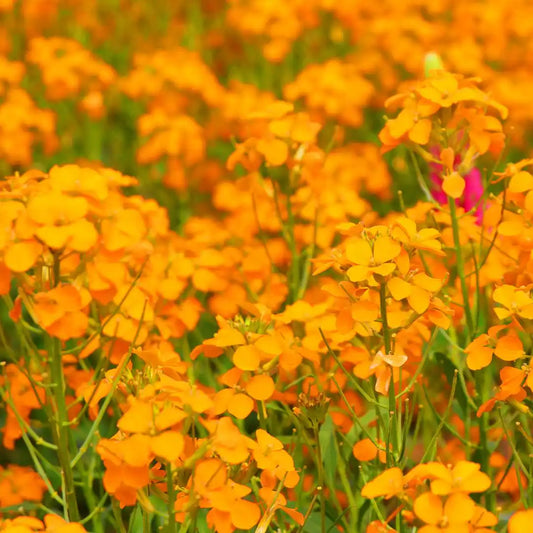
Wallflower Seed Mix
Prix habituel $3.95 CADPrix habituelPrix unitaire par













Collection: Biennal Plant Seeds
Biennial Plant Seeds for Long-Season Garden Colour
Biennial plants follow a two-season life cycle, usually producing leaves and roots during their first year before flowering and setting seed in their second. This growth pattern makes them a valuable choice for gardeners who want to build layered, long-lasting borders, cottage gardens and naturalized planting areas.
Growing biennials from seed rewards a little patience. Many varieties establish quietly in their first season, overwinter, and then produce impressive flowers the following year. Some may also self-seed and continue appearing in the garden over time.
Browse the biennial plant seeds below, or explore our wider flower seed collection and perennial plant seeds for more long-term garden options.
Biennial Plant Growing Information
| Growing Detail | General Information |
|---|---|
| Life Cycle | Usually two growing seasons |
| First Year | Vegetative growth, root development and establishment |
| Second Year | Flowering, seed production and completion of the life cycle |
| Sun | Varies by species, though many prefer full sun to partial shade |
| Sowing Method | Direct sow outdoors or start in containers depending on the variety |
| Best Uses | Cottage gardens, perennial borders, naturalized areas, pollinator gardens and cut flowers |
What Is a Biennial Plant?
A biennial plant normally completes its life cycle over two growing seasons. During the first year, it focuses primarily on producing roots, stems and leaves. After experiencing a cold period, the plant typically flowers during its second season, produces seed and then completes its life cycle.
This makes biennials different from annuals, which grow and flower in a single season, and perennials, which can return for several years.
For a deeper explanation of these plant life cycles, read our guide to annual vs. perennial plants for Canadian gardeners.
Why Grow Biennial Flowers From Seed?
Biennials are useful for creating continuity between annual flower beds and permanent perennial plantings. Once established, they can produce impressive second-year flowers while filling spaces that might otherwise be empty early in the season.
Many classic cottage-garden plants have biennial tendencies, which is one reason these gardens can feel layered and naturally established over time.
Some biennials also self-seed readily. Once a planting becomes established, seedlings of different ages can coexist in the same garden, helping create flowers in successive years.
Popular Biennial Flowers
| Flower Type | Garden Value | Related Collection |
|---|---|---|
| Hollyhocks | Tall flower spikes and classic cottage-garden structure | Hollyhock Seeds |
| Foxgloves | Vertical flowers for woodland edges and cottage gardens | Foxglove Seeds |
| Violas and Pansies | Cool-season colour and compact flowering plants | Viola Seeds |
| Sweet William-Type Dianthus | Colourful clustered blooms and traditional border interest | Carnation & Dianthus Seeds |
When to Plant Biennial Seeds in Canada
Many biennial flowers are sown in spring or early summer so they have enough time to establish a healthy root system and leaf rosette before winter. Some varieties can also be sown later in summer or fall, depending on the species and local climate.
| Planting Stage | General Timing |
|---|---|
| Spring Sowing | Allows plants to establish throughout the first growing season |
| Early Summer Sowing | Common for varieties intended to overwinter and flower the following year |
| Late Summer / Fall Sowing | Suitable for some cold-hardy varieties and regions |
| Flowering | Usually during the second growing season |
For additional cool-season planting ideas, see our guide to flower seeds to plant in fall for spring germination in Canada.
How to Grow Biennial Plants From Seed
Growing methods vary by species, but many biennials can be direct sown into prepared soil or started in seed trays and transplanted while still young.
Sow seeds at the recommended depth for the specific variety and keep the soil evenly moist during germination. Once seedlings are established, thin them so mature plants have enough room for airflow and healthy root development.
The first season is primarily about establishment, so do not be concerned if plants produce little or no flowering during their first year.
If you are unsure about sowing depth, temperature or light requirements, our seed germination guide covers the main factors that affect successful seed starting.
Do Biennial Plants Need Winter Cold?
Many biennials rely on exposure to cool winter temperatures to trigger flowering the following season. This process is known as vernalization.
In climates where winter conditions are appropriate for the species, plants naturally receive this cold period outdoors. Gardeners should still choose varieties suited to their local hardiness and growing conditions.
For plants specifically suited to spending multiple seasons in the garden, browse our perennial plant seeds.
Biennials for Cottage Gardens
Biennials are particularly valuable in cottage gardens because many traditional varieties produce tall, informal flower displays that blend naturally with annuals and perennials.
Hollyhocks can provide dramatic height against fences and buildings, while foxgloves bring vertical flower spikes into borders and partially shaded garden areas.
Combining several plant life cycles can also help create a garden that changes gradually throughout the season instead of flowering all at once.
For more traditional varieties with historic garden character, explore our heirloom flower seeds.
Biennials for Pollinator Gardens
Flowering biennials can provide valuable nectar and pollen for bees and other insects, especially when combined with annuals and perennials that bloom at different times.
A layered pollinator garden benefits from having flowers available across as much of the growing season as possible.
Explore our pollinator plant seeds for additional varieties, or read the backyard pollinator corridor guide for ideas on creating connected pollinator habitat.
Can Biennial Flowers Self-Seed?
Many biennial flowers can self-seed when mature flower heads are left on the plant. Seeds fall onto nearby soil and may germinate during favourable conditions.
This can make an established biennial planting appear perennial even though individual plants only live for approximately two seasons. Different generations of seedlings simply overlap.
If you would rather save the seed yourself, allow healthy seed heads to mature fully before collecting and storing them for future planting.
Biennial Plants vs. Annuals vs. Perennials
| Plant Type | Typical Life Cycle | Typical Flowering |
|---|---|---|
| Annual | One growing season | Usually first year |
| Biennial | Two growing seasons | Usually second year |
| Perennial | Multiple growing seasons | Returns to flower in multiple years once mature |
Biennial Plant Seed FAQs
What does biennial mean in gardening?
A biennial plant normally takes two growing seasons to complete its life cycle. It usually establishes leaves and roots during the first year, flowers during the second year, produces seed and then dies.
Do biennial plants flower in their first year?
Most true biennials do not flower significantly during their first season. Their first year is primarily dedicated to vegetative growth and establishment.
When should I plant biennial seeds?
Many biennials are planted in spring or early summer so they can establish before winter. Some varieties can also be planted later in summer or fall depending on the species and climate.
Do biennial flowers come back every year?
Individual biennial plants usually live for about two seasons. However, varieties that self-seed can appear in the garden year after year as new generations of seedlings replace older plants.
What are examples of biennial flowers?
Hollyhocks, foxgloves and some violas, pansies and dianthus varieties can grow as biennials depending on the species and climate.
Do biennials need cold weather to flower?
Many biennials need exposure to a period of cool temperatures before flowering. This seasonal trigger is called vernalization.
Can biennial seeds be direct sown?
Yes. Many biennials can be direct sown outdoors, although specific germination requirements vary between species.
Are biennials good for cottage gardens?
Yes. Biennials such as hollyhocks and foxgloves are classic cottage-garden plants because they add height, texture and a natural succession of flowers.
Are biennial flowers good for pollinators?
Many flowering biennials attract bees and other pollinators. They are especially useful when combined with plants that flower at different times of the season.
Can I save seeds from biennial plants?
Yes. Allow the second-year flowers to mature and produce dry seed heads or pods before collecting the seeds. Properly dried seeds can then be stored for future sowing.

