Circle Farms
Cucumber - Homemade Pickling
Cucumber - Homemade Pickling
Impossible de charger la disponibilité du service de retrait
Homemade Pickling Cucumber Seeds
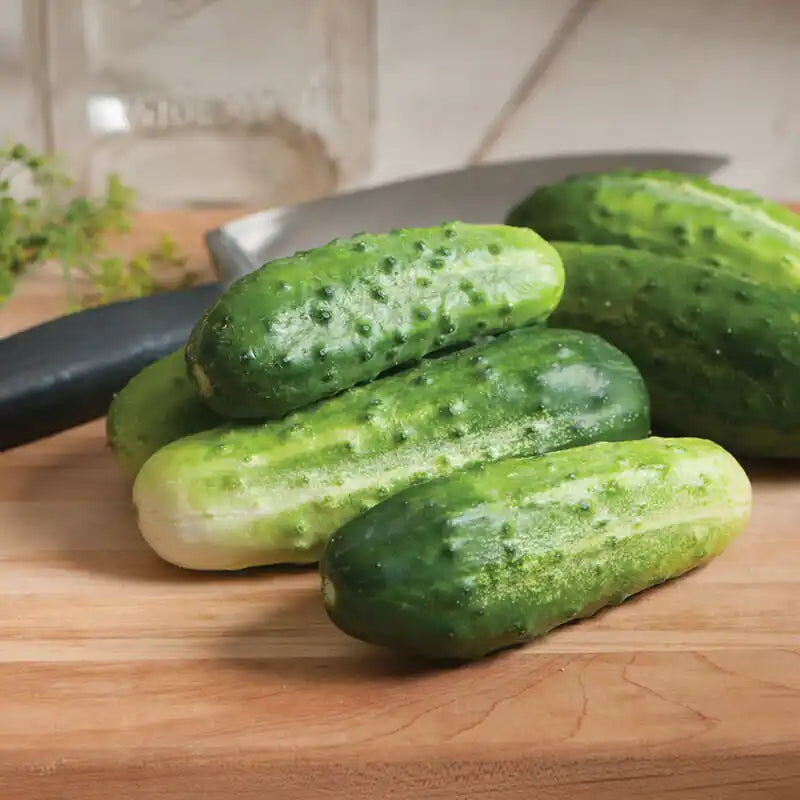
Grow crisp, flavourful cucumbers for fresh eating and homemade preserves with our Homemade Pickling Cucumber seeds. This productive variety develops light- to medium-green cucumbers that can be harvested at different sizes depending on the type of pickle you want to make.
Pick the fruits when they are approximately 2 inches long for crunchy mini pickles, or allow them to reach around 4 inches for larger dill pickles, sliced pickles, and fermented cucumbers. With a harvest beginning in approximately 55 days, these pickling cucumber seeds are a practical choice for Canadian gardeners who want an early and dependable summer crop.
Homemade Pickling cucumbers grow best in warm soil, full sun, and consistently moist conditions. The vines can be grown along the ground or trained vertically on a trellis to conserve space and keep the developing fruits clean.
Explore more varieties in our Cucumber Seeds collection or browse all Vegetable Seeds.
Homemade Pickling Cucumber Growing Profile
| Growing Detail | Information |
|---|---|
| Common Name | Homemade Pickling Cucumber |
| Botanical Name | Cucumis sativus |
| Plant Type | Warm-season annual vegetable |
| Sun Requirements | Full sun |
| Planting Depth | ½ inch, covered lightly |
| Germination Time | Approximately 7–10 days |
| Indoor Sowing | 3–4 weeks before the final expected frost |
| Outdoor Sowing | After frost when the soil reaches approximately 22°C |
| Days to Harvest | Approximately 55 days |
| Harvest Size | Approximately 2–4 inches long |
| Best Uses | Mini pickles, dill pickles, fermented pickles, relish, and fresh eating |
Why Grow Pickling Cucumbers?
Pickling cucumbers are generally harvested younger and smaller than traditional slicing cucumbers. Their compact size, crisp texture, and convenient shape make them especially useful for preserving whole or cutting into spears and slices.
Homemade Pickling cucumbers can be harvested repeatedly while the fruits remain young and firm. Regular harvesting also encourages the vines to continue flowering and producing additional cucumbers.
Although this variety is ideal for preserving, the cucumbers can also be eaten fresh. Slice them into salads, serve them with dips, or enjoy them directly from the garden while they are still tender.
How to Grow Pickling Cucumbers From Seed
Cucumbers need warmth to germinate and grow successfully. Avoid planting seeds outdoors in cold or waterlogged soil. Select a sunny location with fertile, well-draining soil and enough room for the vines to spread or climb.
Sow the seeds approximately ½ inch deep and cover them lightly with soil. Seeds may be planted in groups of three or four, with the groups spaced approximately 4 feet apart. Once the seedlings establish themselves, thin each group to retain the strongest plant or plants.
Keep the soil consistently moist during germination. Under suitable conditions, seedlings should begin appearing in approximately 7–10 days.
Starting Cucumber Seeds Indoors
Start the seeds indoors approximately 3–4 weeks before you plan to transplant them. Use individual pots to minimize root disturbance and provide the seedlings with warmth and strong light.
Transplant cucumbers only after frost danger has passed and the soil is warm. Harden the seedlings off gradually by exposing them to outdoor conditions for increasing periods over several days.
Direct Sowing Outdoors
Direct sowing is often the easiest method because cucumbers can be sensitive to transplanting. Wait until the soil temperature is approximately 22°C and nighttime conditions are reliably mild.
Gardeners in warmer regions can make a second sowing several weeks after the first planting to extend the cucumber harvest.
Supporting Cucumber Vines
Homemade Pickling cucumbers may be allowed to spread across the ground, but a trellis offers several benefits. Vertical growing improves airflow, saves garden space, and makes the cucumbers easier to locate and harvest.
Install the trellis before the plants begin producing long vines. Guide young vines toward the support as they grow, taking care not to bend or damage the stems.
Ground-grown plants benefit from a layer of clean mulch beneath the vines. Mulch helps retain soil moisture, suppress weeds, and reduce direct contact between the cucumbers and wet soil.
Watering and Fertilizing Pickling Cucumbers
Cucumbers need steady moisture to produce crisp, evenly developed fruits. Water deeply near the base of the plant whenever the upper soil begins to dry. Irregular watering can affect fruit development and may contribute to stressed plants.
Avoid repeatedly soaking the foliage, particularly late in the day. Watering at soil level and maintaining good airflow can help keep the leaves healthier.
Before planting, enrich poor soil with compost or well-aged organic matter. Once flowering begins, use a balanced fertilizer according to its label instructions rather than applying excessive nitrogen, which may encourage leaf growth at the expense of fruit production.
Growing Stages
| Stage | What to Expect | Recommended Care |
|---|---|---|
| Germination | Seedlings emerge in approximately 7–10 days | Maintain warm, evenly moist soil |
| Seedling Growth | True leaves form and vines begin developing | Thin crowded seedlings and protect them from cold |
| Vining | Rapid stem and leaf growth begins | Guide vines onto a trellis and water consistently |
| Flowering | Yellow flowers develop along the vines | Support pollinators and avoid unnecessary pesticide use |
| Harvest | Cucumbers reach approximately 2–4 inches | Harvest frequently while the fruits are firm |
When to Harvest Pickling Cucumbers
Begin checking the plants regularly as they approach 55 days from planting. Harvest cucumbers at approximately 2 inches long for mini pickles or around 4 inches long for larger pickles.
Do not wait for the fruits to become oversized or yellow. Younger cucumbers usually provide the crisp texture preferred for pickling. Use clean garden scissors or pruners instead of pulling the fruits from the vine.
During peak production, inspect the plants every day or two. Cucumbers can grow quickly in warm weather, and frequent picking encourages continued production.
Using Homemade Pickling Cucumbers
- Whole mini pickles
- Classic dill pickles
- Refrigerator pickles
- Fermented cucumbers
- Bread-and-butter pickle slices
- Homemade relish
- Fresh salads and snacks
For safe shelf-stable preserving, always follow a tested canning recipe from a recognized food-preservation authority. Fresh refrigerator pickles should remain refrigerated and be used within the timeframe specified by the chosen recipe.
Quick Planting Instructions
- Choose a warm location with full sun.
- Sow seeds approximately ½ inch deep.
- Plant in groups of three or four seeds.
- Space groups approximately 4 feet apart.
- Keep the soil moist during germination.
- Thin each group to the strongest seedlings.
- Add a trellis before the vines become large.
- Water deeply and consistently.
- Harvest at approximately 2–4 inches long.
- Pick frequently to encourage continued production.
Homemade Pickling Cucumber FAQs
How long do Homemade Pickling cucumbers take to grow?
Homemade Pickling cucumbers are ready to begin harvesting in approximately 55 days when grown under favourable conditions.
How large should pickling cucumbers be at harvest?
Harvest them at approximately 2 inches for mini pickles or around 4 inches for larger whole pickles, spears, or slices.
Can these cucumbers be eaten fresh?
Yes. Although selected for pickling, the young cucumbers can also be sliced for salads, served with dips, or eaten as a fresh garden snack.
Do pickling cucumbers need a trellis?
A trellis is not required, but it saves space, improves airflow, and helps keep the developing cucumbers clean and easy to harvest.
Can I grow pickling cucumbers in containers?
Yes, provided the container is large, drains well, and includes a sturdy support for the vines. For a naturally smaller cucumber plant, consider Spacemaster Cucumber.
Why are my cucumber plants flowering but not producing fruit?
Early flowers may be male flowers that do not form cucumbers. Fruit production should improve as female flowers appear and pollinators begin transferring pollen between blooms.
How often should pickling cucumbers be harvested?
Inspect the vines every one or two days during peak production. Frequent harvesting prevents oversized fruits and encourages the plant to continue producing.
Explore More Cucumber Seeds
Compare Homemade Pickling cucumbers with Early Fortune Organic Cucumber, a versatile heirloom variety suitable for pickling, slicing, and snacking.
Browse the complete Cucumber Seeds collection, discover more traditional varieties in our Heirloom Seeds collection, or shop all Vegetable Seeds for Canadian gardens.
Share