Circle Farms
Lunaria (Money Plant, Silver Dollar, Honesty Plant)
Lunaria (Money Plant, Silver Dollar, Honesty Plant)
Couldn't load pickup availability
Lunaria Seeds – Money Plant, Silver Dollar & Honesty Plant
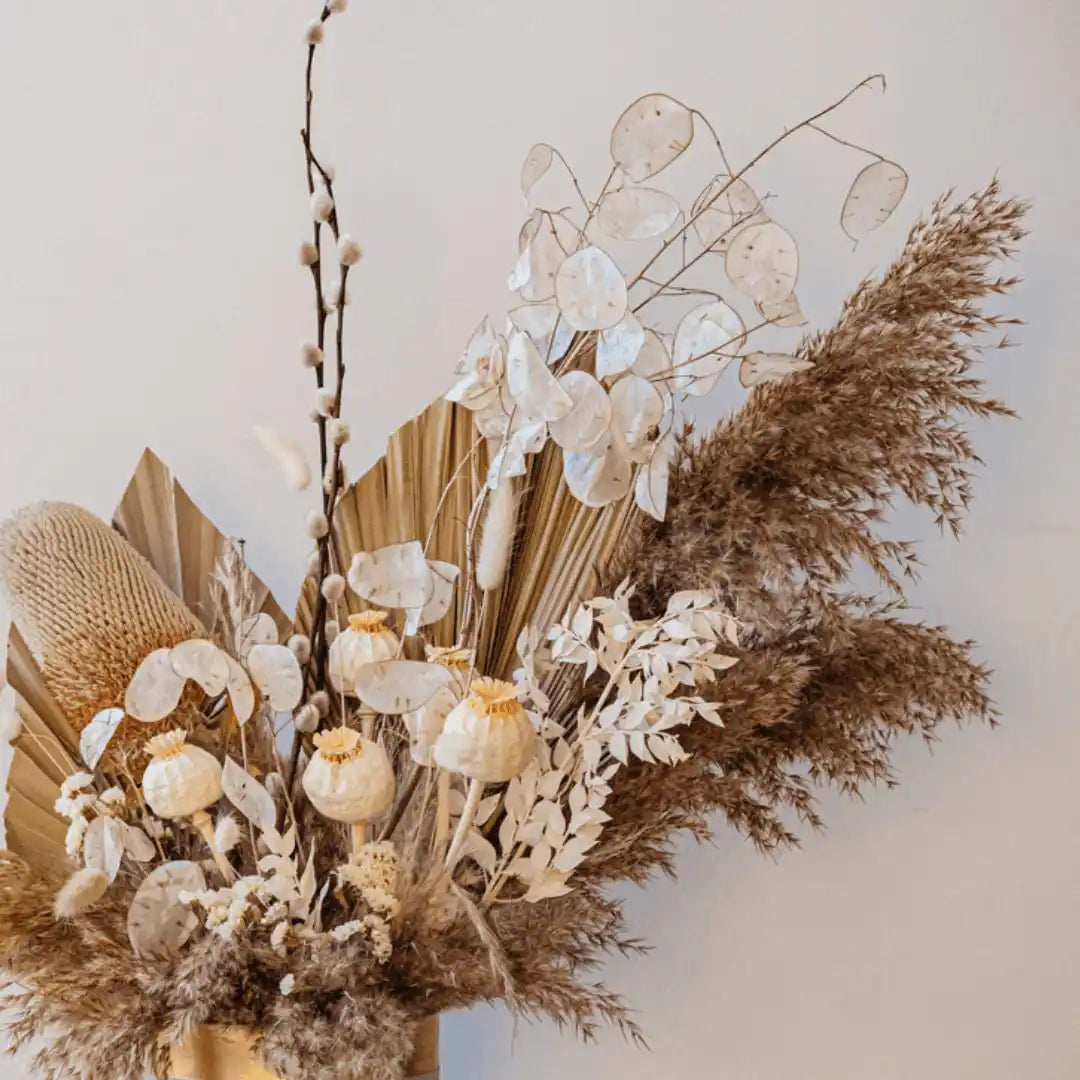
Grow one of the most distinctive plants for dried arrangements with Lunaria seeds, commonly known as Money Plant, Silver Dollar Plant or Honesty Plant. Lunaria annua produces small purple flowers followed by translucent, silver-dollar-shaped seed pods that provide garden interest long after flowering has finished.
The mature seed pods are especially popular for dried arrangements, wedding bouquets and seasonal displays. Plants reach approximately 24–36 inches tall and can readily self-seed once established, making Lunaria a memorable addition to cottage gardens, cutting gardens and naturalized planting areas.
Each packet contains approximately 50 seeds. For more flowers and textural plants suited to bouquets, explore our Filler Flower Seeds collection.
Lunaria Growing Information
| Growing Detail | Information |
|---|---|
| Common Names | Money Plant, Silver Dollar Plant, Honesty Plant |
| Botanical Name | Lunaria annua |
| Seed Count | Approximately 50 seeds |
| Plant Type | Biennial |
| Plant Height | Approximately 24–36 inches |
| Plant Spacing | Approximately 12–18 inches |
| Seed Depth | Approximately 1/4 inch |
| Sun Exposure | Full sun |
| Germination | Approximately 14–21 days |
| Indoor Sowing | 6–8 weeks before the last frost after approximately 2 weeks of cold stratification |
| Outdoor Sowing | Fall or early spring as soon as the soil can be worked |
| Flowering | Generally flowers and produces pods during the second growing year |
| Best Uses | Dried arrangements, wedding bouquets, cottage gardens and naturalized plantings |
What Is a Money Plant?
The Money Plant is a biennial flowering plant best known for the unusual translucent seed pods that develop after flowering. The round, silvery pods resemble coins, which explains common names such as Money Plant and Silver Dollar Plant.
The plant is also widely known as Honesty Plant. Before the decorative pods develop, Lunaria produces small purple flowers that add colour to the garden during spring.
The transformation from flowers to papery silver seed pods gives Lunaria a particularly long season of visual interest and makes it useful both in the garden and as a dried floral crop.
How to Grow Lunaria From Seed
Lunaria can be started indoors before spring planting or direct sown outdoors. Seeds should be planted approximately 1/4 inch deep and kept consistently moist while germination takes place.
Under suitable conditions, germination generally takes approximately 14–21 days. A heat mat is not required.
Because Lunaria follows a biennial growth cycle, gardeners should not expect mature seed pods during the first growing season. Plants generally establish during year one before flowering and producing their distinctive seed pods during year two.
Starting Lunaria Seeds Indoors
Start seeds indoors approximately 6–8 weeks before your expected last frost date.
If starting Lunaria indoors, cold stratify the seeds in the refrigerator for approximately two weeks before sowing. This period of cold exposure helps prepare the seeds for germination.
After stratification, sow the seeds approximately 1/4 inch deep in a moist seed-starting mix. Keep the growing medium evenly moist while seedlings develop.
Once plants are established and outdoor conditions are suitable, harden seedlings off gradually before transplanting them into the garden.
Direct Sowing Money Plant Seeds
Lunaria can also be direct sown outdoors during fall or in early spring as soon as the soil can be worked.
Prepare the planting area, remove competing weeds and sow seeds approximately 1/4 inch deep. Maintain moisture during germination and allow approximately 12–18 inches between established plants.
If you enjoy plants that establish over multiple growing seasons, browse our Biennial Plant Seeds collection for additional options.
When Does Lunaria Flower?
Lunaria is a biennial plant. During its first growing season, the plant primarily develops foliage and establishes its root system.
Flowering generally occurs during the second year. Small purple flowers are followed by green seed pods that gradually mature and dry into the translucent silver discs for which the plant is best known.
The combination of spring flowers and decorative pods gives the plant interest across multiple stages of its growing cycle.
How to Harvest Lunaria for Dried Flowers
The dried seed pods are one of the main reasons gardeners grow Money Plant.
During the second year, allow the seed pod stems to mature fully on the plant. Harvest them after the pods have dried and turned brown.
Once dry, gently rub away the outer brown layers of each pod to reveal the translucent inner membrane. This creates the classic silver-dollar appearance used in dried floral arrangements.
For another flower specifically valued for drying, pair Lunaria with Everlasting Mixed Strawflower Seeds.
Lunaria for Wedding Bouquets and Floral Arrangements
Lunaria seed pods provide a very different texture from traditional flowers. Their thin, translucent discs add movement, structure and a subtle silvery appearance to both fresh and dried arrangements.
The stems can be used on their own for minimalist dried displays or combined with colourful flowers and ornamental grasses for more complex bouquets.
For additional texture, try combining Lunaria with Bunny Tail Ornamental Grass, another plant well suited to dried arrangements and bouquet work.
Does Money Plant Come Back Every Year?
Lunaria is a biennial rather than a traditional long-lived perennial. Individual plants typically establish during one season and flower during the next.
However, Money Plant readily self-seeds. If mature seed pods are left in the garden, new seedlings can emerge and create successive generations of plants.
This self-seeding behaviour can make an established patch appear to return year after year even though individual plants are following a biennial life cycle.
For a clearer explanation of different plant life cycles, read our guide to annual vs. perennial plants in Canada.
Can Lunaria Spread in the Garden?
Yes. Lunaria can self-seed readily when mature seed pods are allowed to release their seeds.
This makes it useful for naturalized and informal garden areas, but gardeners should monitor seedlings if they want to keep plants within a specific part of the garden.
Circle Farms notes that Lunaria can become invasive in warmer regions, including parts of southern Canada. Removing unwanted seedlings and harvesting mature seed pods before they disperse can help control its spread.
Soil and Water Requirements
Lunaria is relatively adaptable once established, which makes it approachable for beginner gardeners.
Keep the soil consistently moist while seeds germinate and while young plants establish. Avoid leaving seedlings in persistently saturated soil.
Provide adequate spacing between plants to encourage airflow and allow mature stems room to develop.
Quick Planting Instructions
- Cold stratify seeds for approximately 2 weeks when starting indoors.
- Start indoors approximately 6–8 weeks before the last frost.
- Alternatively, direct sow outdoors in fall or early spring.
- Plant seeds approximately 1/4 inch deep.
- Keep soil evenly moist during germination.
- Expect germination in approximately 14–21 days.
- Space established plants approximately 12–18 inches apart.
- Grow in full sun.
- Expect flowers and decorative seed pods primarily during the second year.
- Harvest pod stems after they have dried and browned.
Lunaria FAQs
Is Lunaria the same as Money Plant?
Yes. Lunaria annua is commonly called Money Plant, Silver Dollar Plant and Honesty Plant because of its distinctive round, translucent seed pods.
Is Money Plant an annual or biennial?
Despite the botanical name Lunaria annua, this plant is grown as a biennial. It generally establishes during its first year before flowering and producing seed pods during its second year.
How long do Lunaria seeds take to germinate?
Germination generally takes approximately 14–21 days under suitable conditions.
Do Lunaria seeds need cold stratification?
When starting seeds indoors, Circle Farms recommends approximately two weeks of cold stratification in the refrigerator before sowing.
When should I sow Money Plant seeds?
Seeds can be started indoors approximately 6–8 weeks before the last frost or direct sown outdoors during fall or early spring as soon as the soil can be worked.
How tall does Lunaria grow?
Plants generally reach approximately 24–36 inches tall.
Can Money Plant be used as a dried flower?
Yes. The translucent silver seed pods are particularly popular in dried flower arrangements, wedding bouquets and decorative displays.
Does Lunaria self-seed?
Yes. Lunaria readily self-seeds when mature pods are allowed to release seed, which can result in new plants appearing in later seasons.
Can Lunaria become invasive?
It can spread aggressively in some warmer regions. Gardeners who want to limit its spread should remove unwanted seedlings and harvest mature seed pods before they release seed.
Explore More Flowers for Dried Arrangements
Lunaria is particularly valuable for its translucent seed pods rather than traditional flower petals. Build more texture into cutting and dried-flower gardens by exploring our Filler Flower Seeds collection.
For complementary dried material, grow Everlasting Mixed Strawflowers for colourful papery blooms or Bunny Tail Grass for soft ornamental texture.
Share