Circle Farms
Spinach - Big Leaf Vancouver Variety
Spinach - Big Leaf Vancouver Variety
Couldn't load pickup availability
~50 Seeds
Big Leaf Spinach Seeds – Vancouver Variety
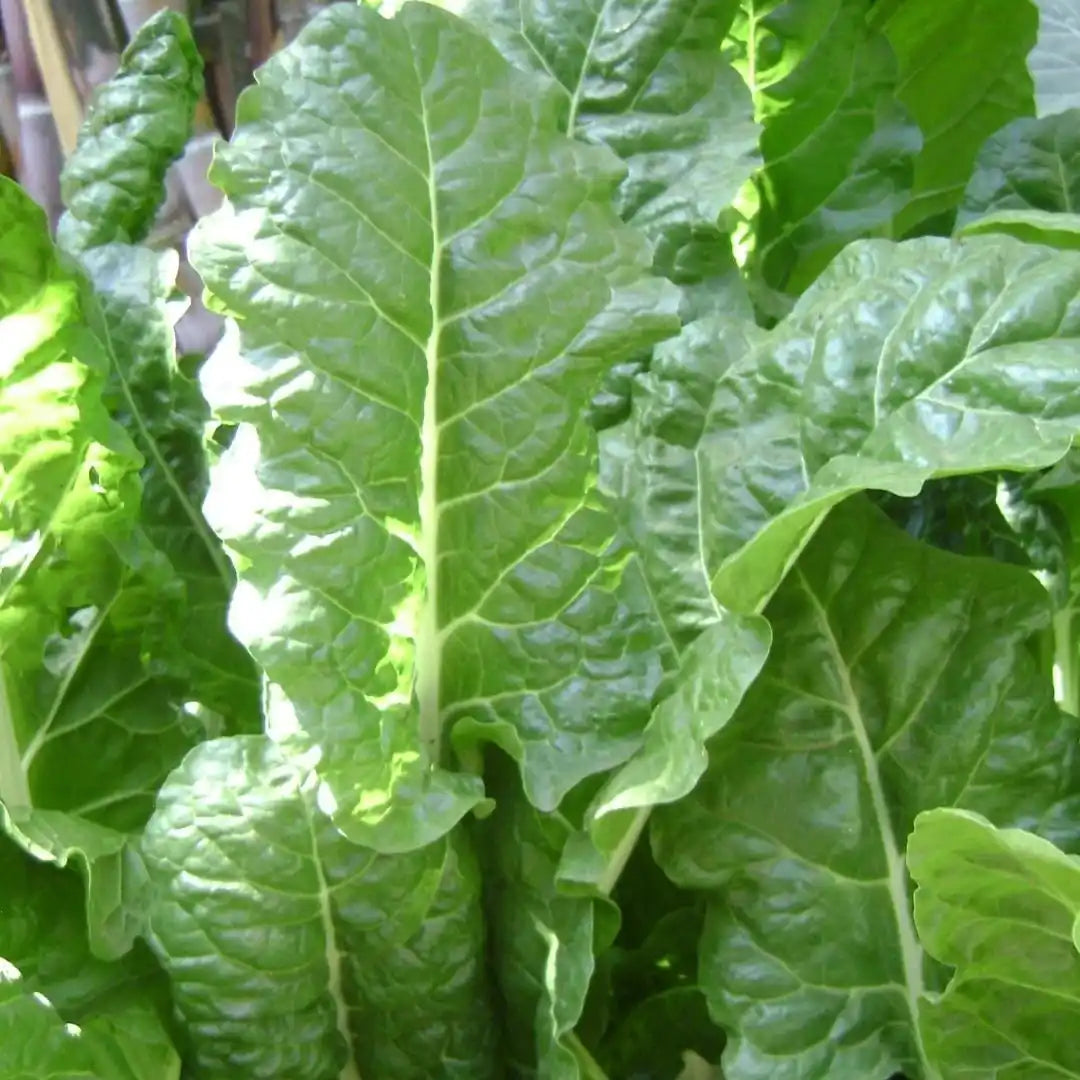
Big Leaf Spinach (Spinacia oleracea) is a productive cool-season leafy green prized for its large, tender leaves, excellent flavour, and impressive nutritional value. This Vancouver variety produces abundant dark green spinach leaves that are perfect for salads, smoothies, sandwiches, soups, and stir fries.
Easy to grow and quick to mature, Big Leaf Spinach performs exceptionally well in Canadian gardens during spring and fall. Its broad leaves allow for repeated harvests throughout the season, making it a favourite among home gardeners looking for continuous production from a small space.
If you're looking for reliable spinach seeds for fresh eating and cut-and-come-again harvesting, this variety is one of the easiest leafy greens to grow.
For more cool-season greens, browse our Lettuce, Spinach & Arugula Seeds Collection.
Scientific Profile
| Feature | Details |
|---|---|
| Common Name | Big Leaf Spinach |
| Botanical Name | Spinacia oleracea |
| Variety | Vancouver Big Leaf |
| Plant Type | Annual leafy vegetable |
| Seed Count | Approximately 50 seeds |
| Days to Maturity | 35–50 days |
| Germination Time | 7–14 days |
| Sowing Depth | ½ inch / 12 mm |
| Plant Spacing | 2–4 inches apart |
| Sun Requirements | Full sun to partial shade |
| Best Season | Spring and fall |
| Mature Height | 8–12 inches |
| Leaf Type | Large flat leaf spinach |
| Best Use | Salads, smoothies, soups, stir fries |
Spinach is widely recognized as one of the most nutrient-dense vegetables available. According to the USDA FoodData Central, spinach contains significant amounts of vitamin K, vitamin A, folate, iron, magnesium, potassium, and antioxidants such as lutein and zeaxanthin.
Health Benefits of Spinach
Spinach consistently ranks among the most nutrient-rich leafy greens. The large spinach leaves produced by this variety provide vitamins, minerals, antioxidants, and dietary fibre while remaining low in calories.
Research has shown that spinach contains carotenoids such as lutein and zeaxanthin, compounds that are associated with eye health. It also provides vitamin K for normal bone health, folate for cell growth, and iron, which helps support oxygen transport throughout the body.
Because spinach grows quickly and can be harvested repeatedly, it is one of the easiest ways to add fresh, home-grown greens to your diet throughout the growing season.
How to Grow Big Leaf Spinach From Seed
Sow spinach seeds directly outdoors as soon as the soil can be worked in spring. Spinach thrives in cool temperatures and often performs best before summer heat arrives.
Plant seeds approximately ½ inch deep and keep soil consistently moist until germination. Thin seedlings to allow proper airflow and healthy leaf development.
Spinach prefers fertile, moisture-retentive soil rich in organic matter. In warmer regions, partial afternoon shade can help delay bolting and extend harvests.
For succession planting, sow additional spinach seeds every two to three weeks throughout spring and again in late summer for fall harvests.
Spinach Growing Stages
| Stage | What to Expect |
|---|---|
| Germination | Seeds sprout within 7–14 days |
| Seedling Stage | First true leaves begin developing |
| Leaf Expansion | Large spinach leaves rapidly develop |
| Harvest Stage | Outer leaves can be harvested repeatedly |
| Mature Plant | Full rosette of large dark-green leaves |
| Bolting Stage | Flower stalk forms during hot weather |
How to Harvest Spinach
One of the biggest advantages of growing spinach is the ability to harvest multiple times from a single planting.
For cut-and-come-again harvesting, pick the outer spinach leaves once they reach a usable size while leaving the centre growing point intact. This encourages the plant to continue producing fresh growth.
For a full harvest, cut the entire plant just above the soil line. Many gardeners find that healthy plants will produce a second flush of leaves after cutting.
If you are wondering when to harvest spinach, most plants are ready once leaves reach 3–6 inches long, typically 35–50 days after sowing.
Fertilizer for Spinach
Spinach is a leafy crop that benefits from nitrogen-rich soil. Before planting, incorporate compost or well-aged organic matter into the growing area.
During the growing season, a balanced organic fertilizer can support steady leaf production without encouraging excessive growth. Consistent moisture is equally important, as drought stress often triggers premature bolting.
For more information, read our Organic Fertilizer Guide.
Best Uses for Big Leaf Spinach
- Fresh garden salads
- Green smoothies
- Sandwiches and wraps
- Soups and stews
- Sautéed side dishes
- Stir fries
- Freezing for later use
Spinach grows exceptionally well alongside other cool-season vegetables from our Vegetable Seeds Collection.
Quick Planting Instructions
- Sow outdoors as soon as soil can be worked.
- Plant seeds ½ inch deep.
- Space plants 2–4 inches apart.
- Provide full sun to partial shade.
- Keep soil consistently moist.
- Harvest outer leaves regularly.
- Sow every 2–3 weeks for continuous harvests.
FAQs
How do you harvest spinach?
Harvest outer leaves individually while leaving the centre intact for continued growth, or cut the entire plant once mature.
When is spinach ready to harvest?
Most spinach varieties are ready 35–50 days after sowing when leaves reach approximately 3–6 inches long.
What is big leaf spinach?
Big leaf spinach is a variety selected for producing larger-than-average spinach leaves with excellent flavour and high yields.
Is spinach a cool-season crop?
Yes. Spinach grows best in cool spring and fall temperatures and may bolt during prolonged summer heat.
Can spinach grow in containers?
Absolutely. Spinach grows very well in containers, raised beds, and small-space gardens as long as moisture remains consistent.
Related Products
Looking to build a productive salad garden? Pair Big Leaf Spinach with these complementary varieties for continuous harvests and diverse flavours.
Share